
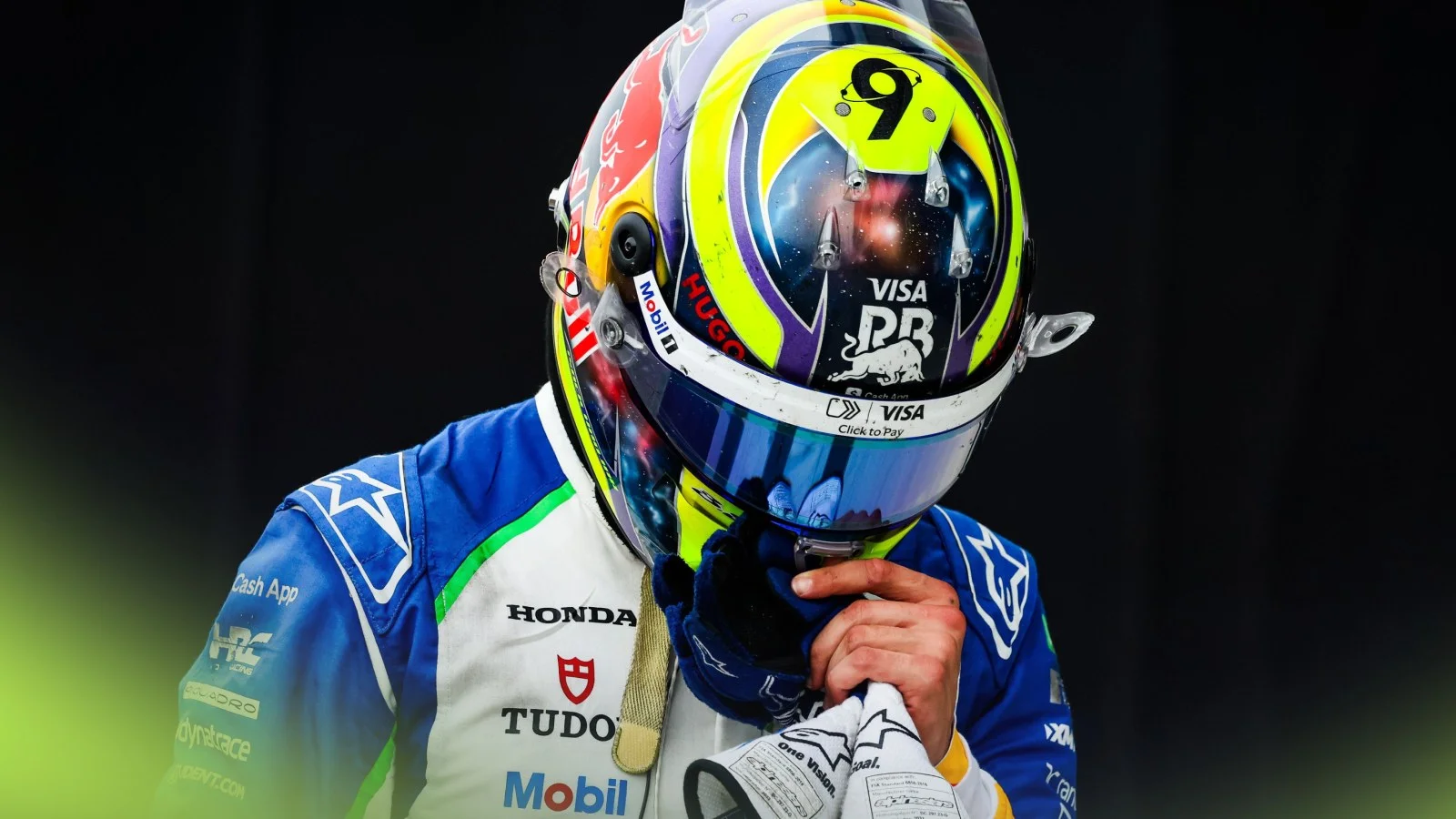

During the Hungarian Grand Prix at the Hungaroring, F1 rookie Isack Hadjar suffered a painful hand injury after gravel struck his cockpit, causing severe discomfort, yet he managed to complete the race. This incident highlighted the intense hazards faced by drivers and showcased Hadjar’s exceptional determination amid adversity.
The Incident and Immediate Impact on Hadjar
Gravel entering Hadjar’s cockpit caused serious pain in his hand during the race, forcing him to report the injury over the radio. He expressed his distress plainly:
Mate, my hand is f***ed, I took all the gravel!
Despite the ongoing agony, Hadjar continued competing, refusing to let the injury derail his performance on the demanding track.
Contextualizing the Physical Challenges of F1 Racing
Hadjar’s experience brought attention to the physical toll that unpredictable debris, like gravel, can impose on drivers. In a candid post-race interview, Hadjar shared his hope that such risks could be minimized moving forward. Veteran commentator Martin Brundle also recalled his own painful encounters with gravel entering the cockpit, underscoring how this remains a notable danger within the sport.
Hadjar’s Performance Highlights His Resilience and Potential
Despite the distress and injury, Hadjar delivered a strong overall weekend, proving why he is regarded as one of the most promising talents among F1 rookies. His ability to persevere through intense pain and maintain competitive form reflects his mental and physical toughness in one of motorsport’s most challenging environments.
The Significance for Formula 1 and What Lies Ahead
The incident at the Hungaroring shines a light on the risks F1 drivers face beyond high speeds and close competition. Hadjar’s ordeal and resolve emphasize the gritty reality of the sport and the sacrifices drivers make. As he continues his career, observers will watch closely to see how he evolves and overcomes such obstacles, symbolizing the passion and toughness required to excel in Formula 1.