
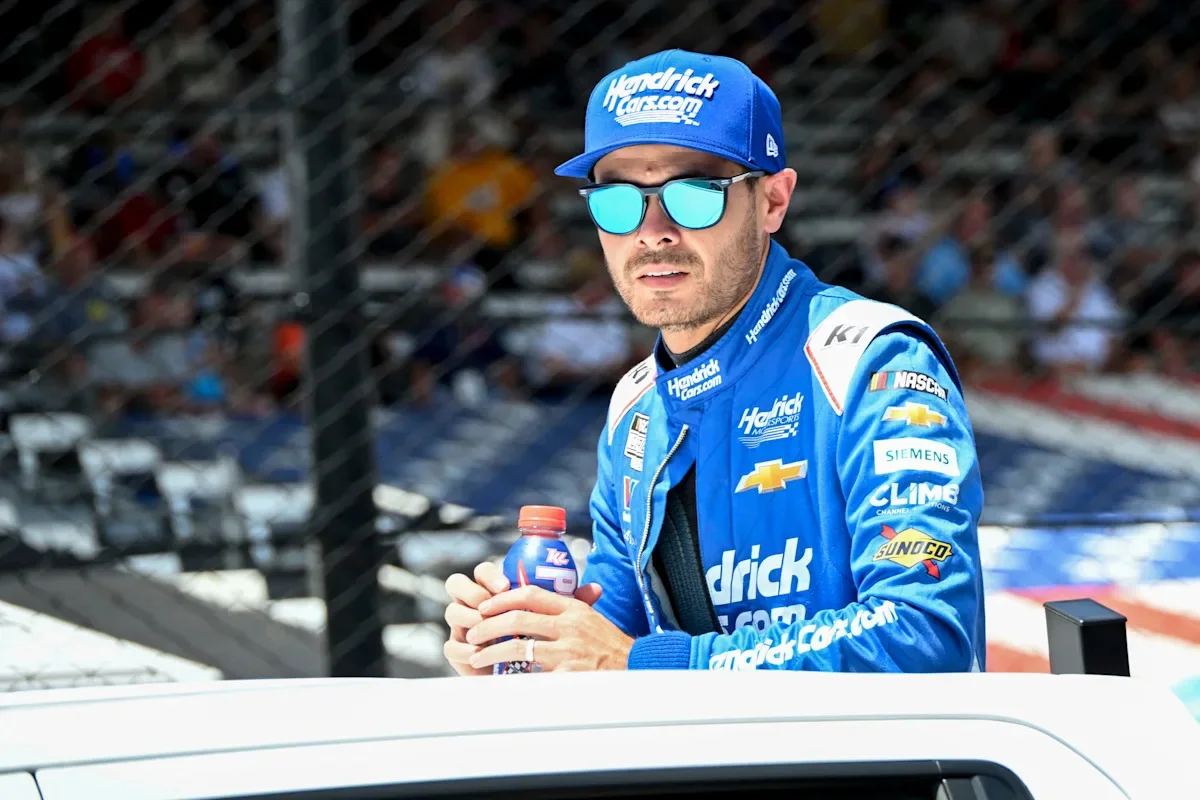

Kyle Larson, the former NASCAR Cup Series champion, recently shared his thoughts on the influence of the 2006 comedy film Talladega Nights on the sport’s image. During an appearance on the Games with Names podcast, Larson expressed that, despite enjoying the film, he believes it ultimately harmed how NASCAR is perceived by the broader public. His Kyle Larson Talladega Nights opinion highlights a concern that the movie turned the sport into a source of humor rather than respect.
Balancing Humor and Realism in Racing Films
While many racing enthusiasts admire films like Days of Thunder, known for its more authentic portrayal of racing, Larson’s focus was on the cultural footprint left by the Ferrell-led comedy. He acknowledged liking Talladega Nights but remarked on the movie’s lasting impact.
“I think it did not do anything good for our sport. I think it turned our sport into like a joke, unfortunately. That’s got to be one of the most popular racing movies… But I feel like it just, the rest of the world, like, that’s what they think about our sport now,”
Larson said.
This candid admission is notable, especially given Talladega Nights’ peak popularity coincided with NASCAR’s golden years. The film opened at number one at the box office and garnered positive reviews from both critics and moviegoers, becoming one of the most recognized portrayals of racing in popular culture.
Support From Teammate William Byron
Larson’s perspective resonated with fellow Hendrick Motorsports driver William Byron, who voiced agreement with the criticism of the film’s influence. Byron emphasized that Talladega Nights should not be the primary representation people have of NASCAR. He succinctly stated,
“Should not be the first thing people think of.”
Comedy’s Role in Shaping Public Perception
These concerns raise questions about the role comedy films play in how industries are viewed. Unlike local news potentially worrying if Anchorman mocked journalism or banquet servers fretting over Wedding Crashers, NASCAR’s unease with being linked to a comedy is striking. By contrast, the golf community embraced the humor and exposure brought by Adam Sandler’s recent Happy Gilmore 2, which featured celebrated golfers like Scottie Scheffler, Rory McIlroy, and Will Zalatoris in a positive yet funny light.
NASCAR’s Current Challenges Extend Beyond Pop Culture References
The sport is currently navigating numerous challenges, including criticisms about the openness and charisma of today’s drivers compared to past stars. Concerns over the impact of Talladega Nights seem somewhat misplaced amid these broader issues. The anxiety among NASCAR figures about such pop culture portrayals highlights a troubled moment for the sport’s personality and image.
As NASCAR looks ahead, dealing with complex internal and external pressures, focusing on a 17-year-old comedy may distract from more pressing steps needed to regain and maintain a strong, respected presence in the sporting world.