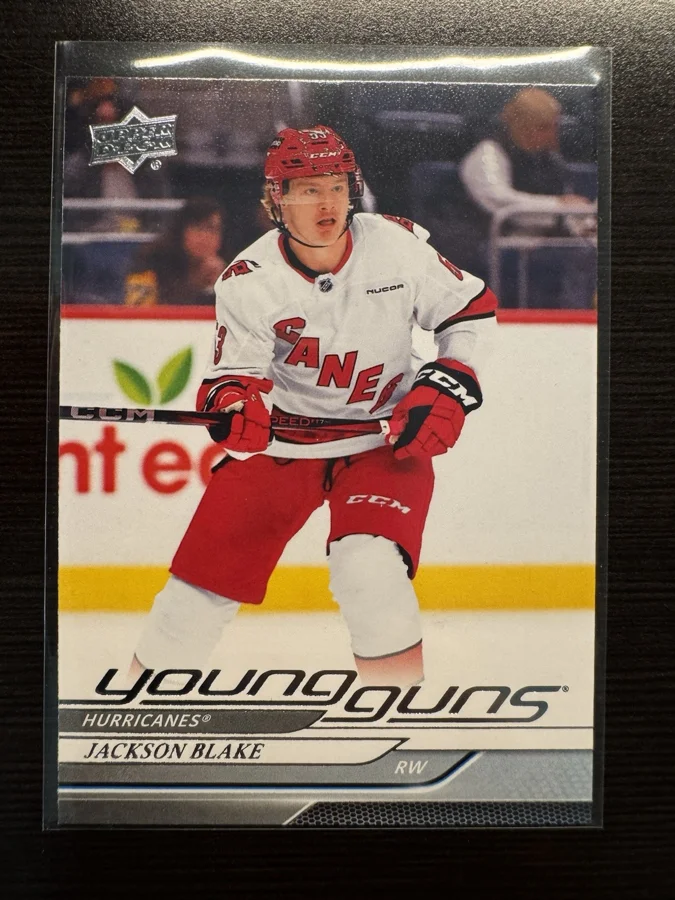
Carolina Hurricanes secure future by signing Jackson Blake to eight-year extension ahead of NHL CBA changes.
When the Carolina Hurricanes signed Jackson Blake to an unexpected eight-year, $45 million extension, many fans and analysts were caught off guard. Blake had just completed his first full NHLseason, recording 17 goals and 34 points in 80 games, solid but not spectacular. This significant long-term commitment appears unusual for a player still early in his career.
The decision is closely tied to timing—specifically, the upcoming changes to the NHL Collective Bargaining Agreement (CBA) set to take effect on September 16, 2026.
How Contract Length Limits Influence Team and Player Decisions
Currently, NHLteams can sign players to contracts lasting up to eight years. However, once the new CBA is implemented, the maximum contract term will decrease to seven years. This reduction incentivizes teams to finalize long contracts while the extra year is still available, especially for young players with high upside.
An NHLexecutive recently noted,
“Teams can’t get that eighth year under the new CBA, so yeah, I think we’ll see more than usual,”
—NHLExecutive
This context explains the Hurricanes’ move to secure Blake with an extended deal now, possibly avoiding future arbitration or bidding wars. But one might wonder why Blake and his representatives would agree to such a lengthy contract instead of betting on his future earnings growth.
A seasoned NHL agent pointed out that the extra year tremendously influences negotiations, stating,
Image of: Jackson Blake
“If they made it clear to me that the eighth year is the most important thing, then yes, my counter is the AAV goes up,”
and added,
“That’s gone after September 16, 2026, so of course I’m using that as leverage.”
—Veteran NHLPlayer Agent
Jackson Blake Gains Security and a Pay Raise by Agreeing to Eight Years
Blake’s deal, which begins with the 2026–27 season at an average annual value of $5.2 million, represents a notable raise from his entry-level salary. The Hurricanes gained the valuable eighth year in exchange for offering Blake a higher annual income, providing the player with financial security earlier in his career.
Though Blake played only one NHLgame in his initial entry-level season, he improved significantly in the following year and contributed six points during 15 playoff games, indicating his potential under pressure. Still, committing to an eight-year contract for a player with just one full NHL season is a substantial gamble.
The Agent’s Perspective on the Effect of Shorter Maximum Terms in the New CBA
The agent involved does not view the one-year reduction in maximum contract length as a major loss for most NHLplayers. He explained,
“I actually didn’t even think it was a huge give-back by the Union. I really didn’t. I think in a lot of ways, it helps the players; you get back to the table a year younger.”
For older athletes, particularly those over 30, the change may be disadvantageous. However, most players, who are younger, often benefit financially by signing shorter contracts that start earlier, enabling them to negotiate higher salaries during their peak years.
This understanding aligns with the trend that long-term contracts now primarily involve players in their early twenties, who have demonstrated promise beyond their entry-level deals and are preparing for the prime of their careers. From the agent’s viewpoint, such contracts pose less risk and offer teams a valuable investment opportunity.
How Age and Timing Will Shape Future NHL Contract Trends
The central factors driving the rise in lengthy deals like Blake’s are age and timing. Younger players can opt for longer contracts early, ensuring financial security while still relatively early in their careers, and possibly negotiate second major contracts in their early 30s if they remain healthy and productive.
It is anticipated that over the next year, more players will sign eight-year agreements before the new CBA rules take effect, especially emerging talents. Teams eager to retain important roster members long-term will push for the extra year, while players will leverage that demand to obtain higher salaries.
Blake’s eight-year extension, while surprising, could signal a shift in NHLcontract negotiations—one heavily influenced by CBA timing and strategic agent negotiations rather than performance metrics alone.