

Joe Gibbs Racing stands as one of the most dominant teams in NASCAR, boasting five Cup Series championships and four Xfinity Series titles. Since its inception in the early 1990s, this organization has nurtured legendary drivers such as Tony Stewart, Kyle Busch, Denny Hamlin, Bobby Labonte, Matt Kenseth, Joey Logano, Christopher Bell, and Ty Gibbs. The team’s incredible record includes over 200 Cup Series wins and more than 300 combined NASCAR victories, highlighting its longstanding influence across multiple racing divisions.
However, Joe Gibbs’ motorsport dynasty originated far from the racetrack. In 1992, while still involved in football, Gibbs—already celebrated for guiding the Washington Redskins to three Super Bowl victories—laid the groundwork for his NASCAR venture. Partnering with his son J.D. Gibbs and securing backing from Interstate Batteries, he launched the team without prior racing experience. Their debut at the 1992 Daytona 500 quickly gained attention, especially when Dale Jarrett won the race the following year, signaling the arrival of a new powerhouse.
Kyle Larson Reflects on Joe Gibbs’ Legendary Career Across Two Sports
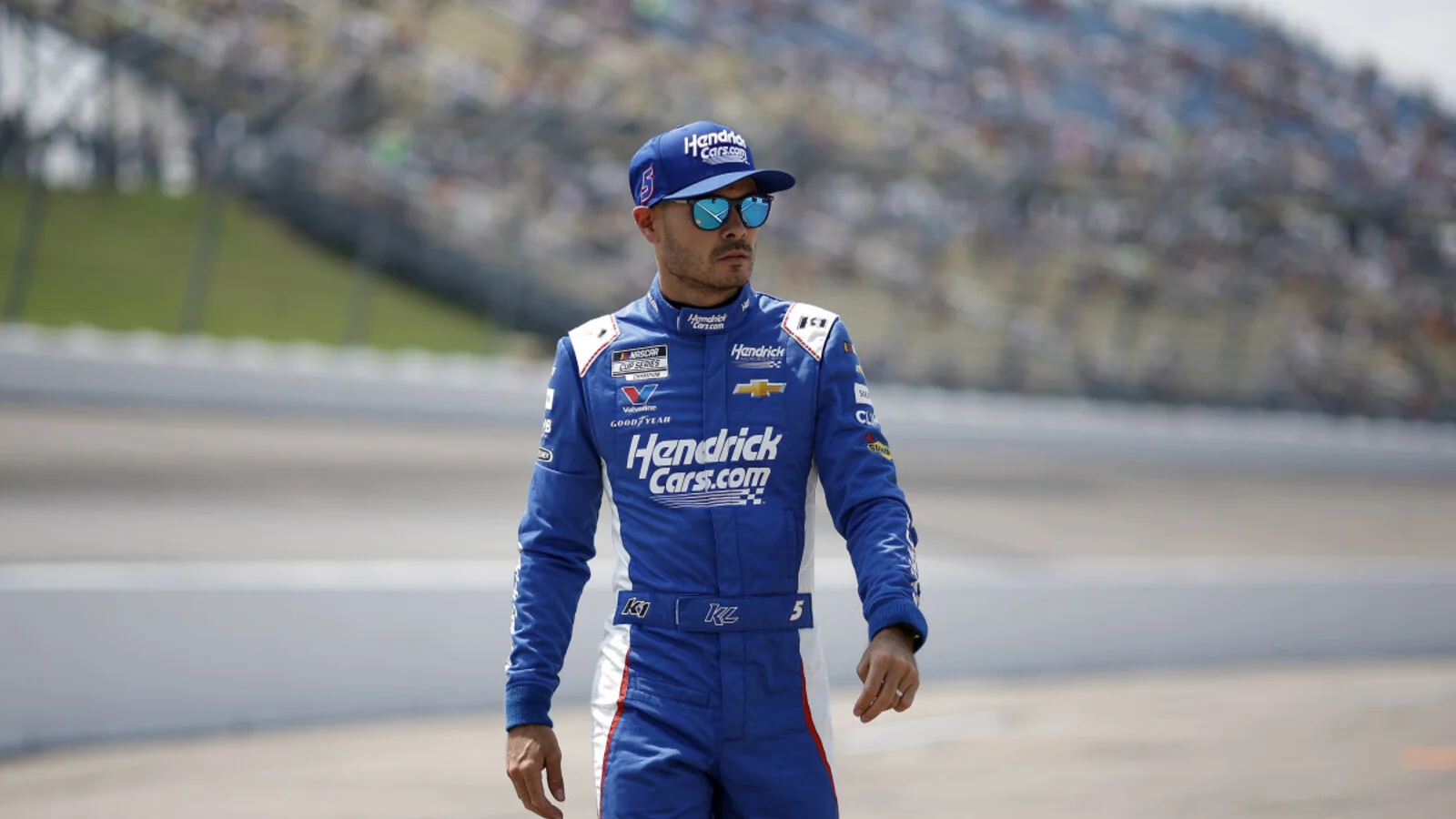
Kyle Larson, himself a champion in NASCAR, recently expressed admiration and surprise at the breadth of Joe Gibbs’ accomplishments beyond racing. During an appearance on the Games with Names podcast hosted by Julian Edelman, Larson confessed that he frequently overlooks Gibbs’ exceptional past as an <a href=”https://www.buzzineintl.com/category/football/nfl/”>NFL coach before his rise in NASCAR. The revelation came when Larson encountered Gibbs’ football achievements depicted in the mobile game Retro Bowl, generating an unexpected moment of humility for the driver.
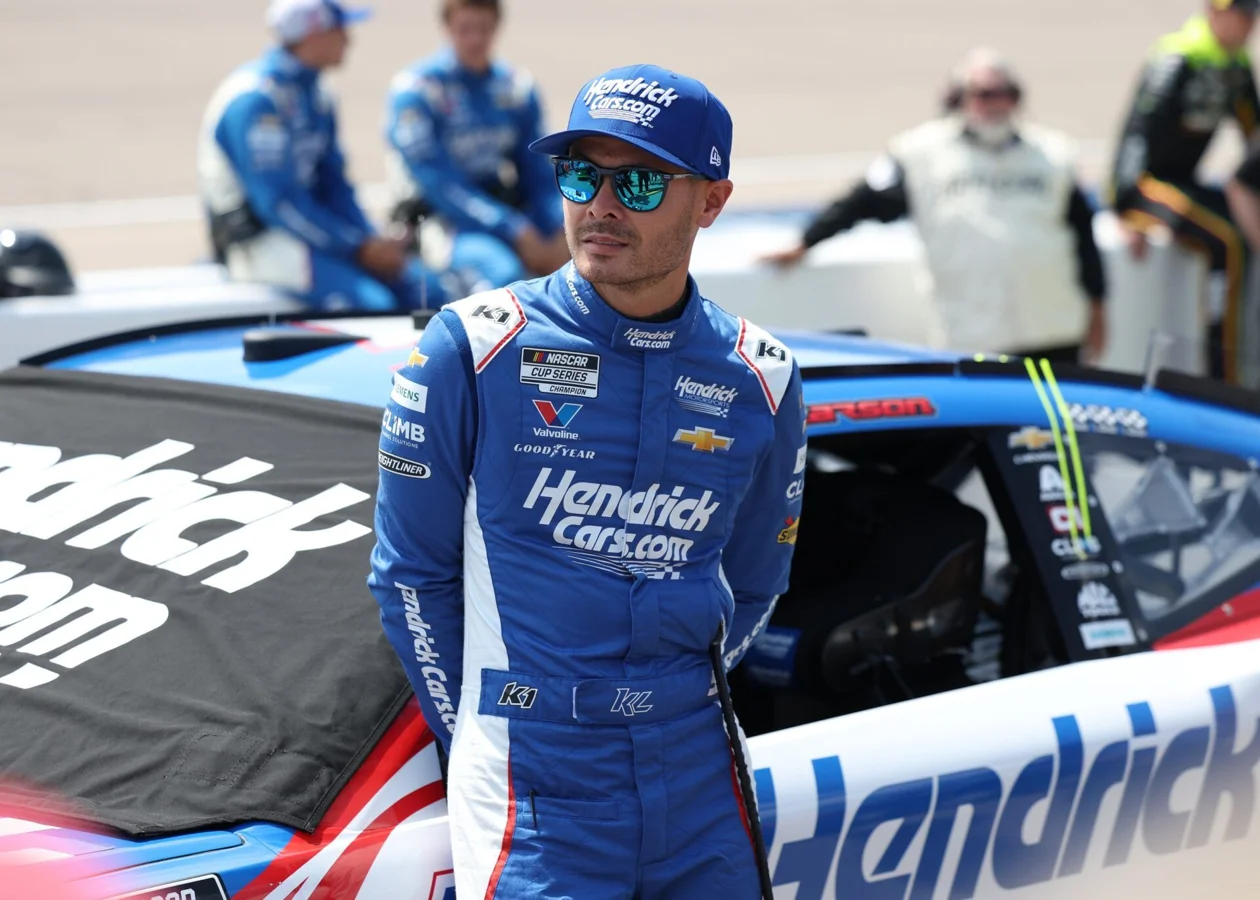
It blows my mind because I think of Joe Gibbs, you know? I think of him as NASCAR. Like I forget that he was a football coach…
—Kyle Larson, NASCAR Driver
Joe Gibbs earned three Super Bowl titles with the Washington Redskins in 1983, 1988, and 1992, each with a different starting quarterback—a feat unmatched in NFL history. His overall coaching record of 154 wins and 94 losses led to his induction into both the Pro Football Hall of Fame and the NASCAR Hall of Fame, making him one of the rare individuals honored at the highest level in two major sports. Even Larson, who came of age well after Gibbs’ NFL prime, recognized the need to reconsider the full extent of his legacy.
The podcast further explored Gibbs’ seamless transition between football and racing, noting his return to coach Washington from 2004 to 2007 with multiple playoff runs. Discussions touched on the NFL strike season and debated the context of one of Gibbs’ Super Bowl victories, underscoring his unwavering influence. Larson’s candid amazement during these conversations highlighted how even current champions remain students of sports history, appreciating that Gibbs’ greatness transcends categories and generations.
On-Track Tensions Rise Between Larson and Elliott During Iowa Corn 350
At the recent Iowa Corn 350, a dramatic showdown unfolded between Hendrick Motorsports teammates Kyle Larson and Chase Elliott, who engaged in multiple aggressive battles for position inside the top ten. Their repeated contact during restarts raised questions about the growing intensity of intra-team rivalry. On several occasions, Larson’s moves into Elliott’s lane caused collisions, resulting in precarious moments for Elliott and culminating in a disappointing 28th-place finish for Larson.
Larson’s frustration was evident over team radio after a caution flag, where he vented his anger explicitly:
How much f—–g room do I have to leave people?
—Kyle Larson, NASCAR Driver
I’ve been trying to be a good teammate, a good competitor, and it hasn’t gotten me anywhere the last f—–g hour.
—Kyle Larson, NASCAR Driver
This raw expression of irritation was captured by NASCAR correspondent Dustin Albino and sparked analysis among other drivers and commentators. Veteran racer Kevin Harvick offered insight on his podcast, suggesting that Larson’s outburst reflected underlying pressures within the organization:
There’s obviously been a conversation that’s happened either within the organization … however this whole conversation about being a good competitor and being a good teammate … came to that rant on the radio.
—Kevin Harvick, NASCAR Driver
Joe Gibbs’ Enduring Influence in NASCAR Seen Through Larson’s Perspective
Larson’s slip in overlooking Joe Gibbs’ NFL background illustrates how deeply rooted Gibbs’ identity has become within NASCAR’s culture. His football legacy, while extraordinary, often takes a backseat to his transformative impact on racing. This shift in perception demonstrates Gibbs’ remarkable ability to redefine himself and dominate a second sport at an elite level. His legacy reverberates strongly throughout racing garages and among fellow drivers, underlining a career rebuilt around perseverance and vision.
Whether remembered more as a football icon or a NASCAR legend, Joe Gibbs’ achievements continue to inspire athletes across disciplines. His dual success challenges the notion of sports boundaries and sets a precedent for excellence that transcends a single arena.