
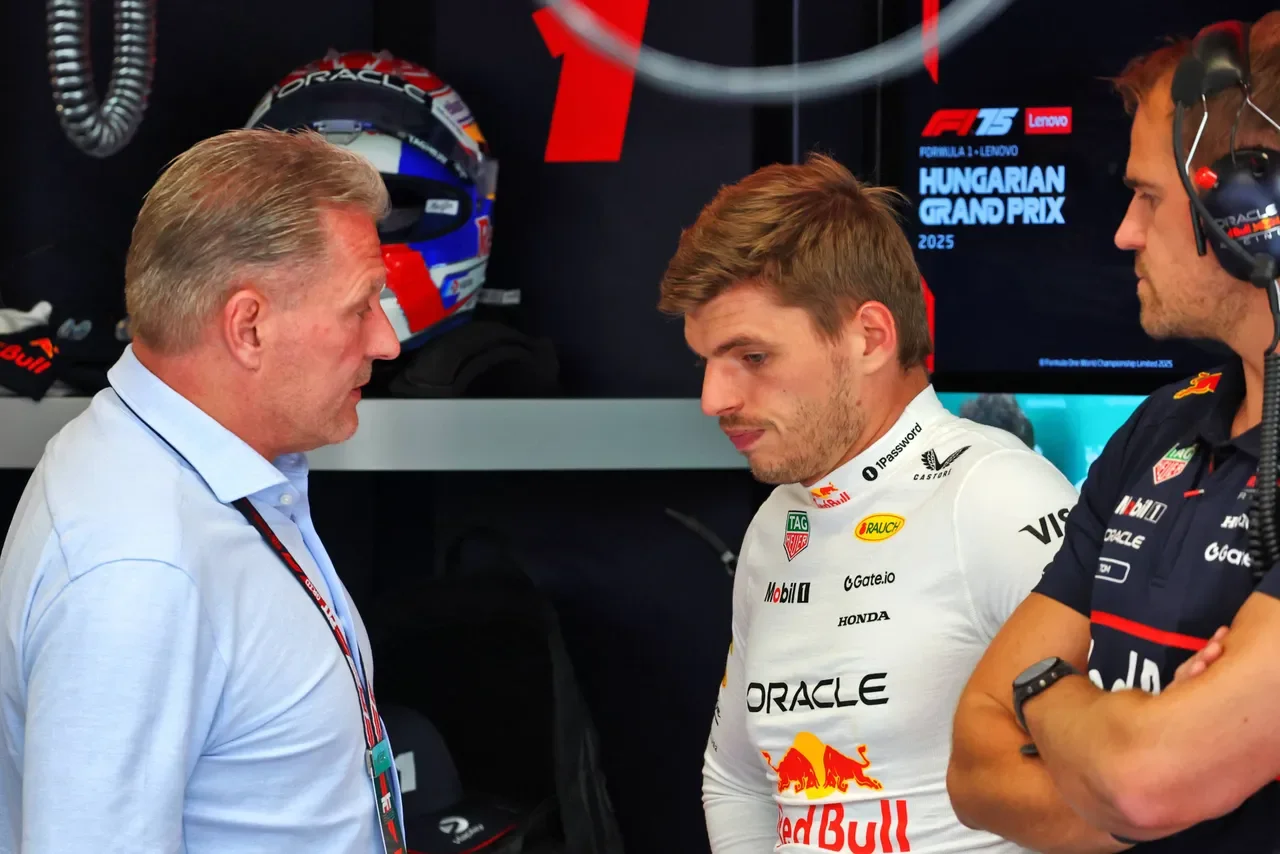

Max Verstappen, currently the most prominent figure in Formula 1, has managed to captivate a vast fan base as a four-time world champion. Yet, alongside his popularity, he faces criticism and occasional boos from certain fans, particularly in Britain. Jos Verstappen, Max’s father, recently addressed what he sees as a widespread misunderstanding of his son, especially among British supporters, calling out a wrongful public perception influenced by social media. The ongoing Max Verstappen wrong image controversy has sparked significant discussion within the F1 community.
Jos Verstappen Challenges the Negative Perception of His Son in Britain
In Formula 1, receiving boos from fans is not uncommon—even celebrated drivers like Lewis Hamilton and Sebastian Vettel have experienced it. Max Verstappen has been subject to similar reactions, especially during his dominant race performances. Despite this, Verstappen remains focused on his racing, undeterred by hostile crowds. However, Jos Verstappen notes that British fans often hold a harsh view of Max, believing him to be rude or unpleasant.
Jos attributes this unfavorable impression, in part, to the influence of social media, which can amplify misunderstandings and exaggerate personality traits. Speaking with De Telegraaf, Jos said,
“I think that a lot of people, maybe especially the British, have a wrong image of him. That he’s an a**hole, or something. Perhaps that’s also due to the present time with social media. But I absolutely do not recognize that.”
This criticism from British fans can be expected, Jos explained, because Max disrupted the dominance of Lewis Hamilton, one of Britain’s most beloved racing heroes. Additionally, rising British talent Lando Norris remains unable to consistently challenge Verstappen’s superiority, which frustrates local supporters who would prefer to see their drivers excel.
Reflecting on Max Verstappen’s Historic First World Championship Win
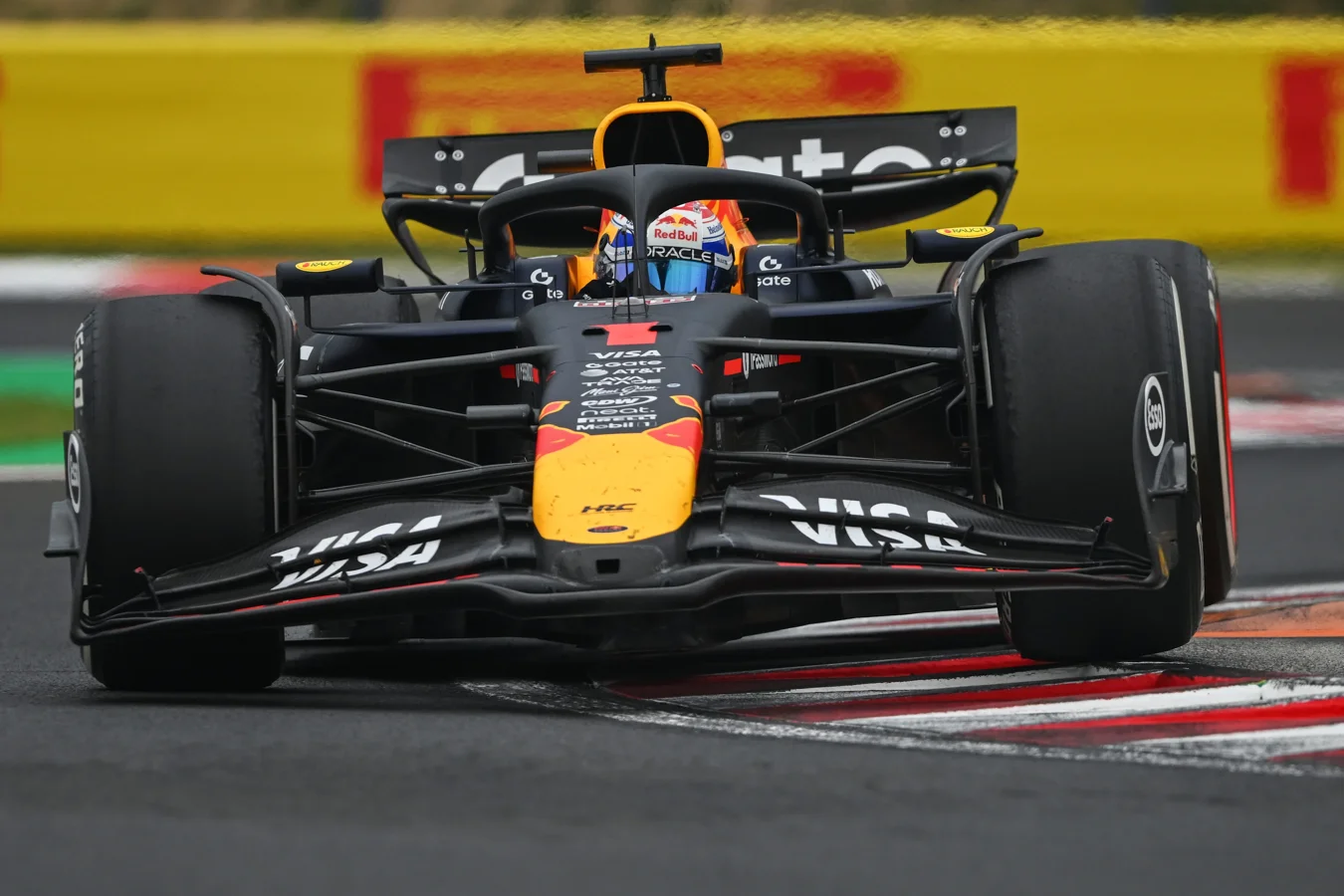
Jos Verstappen fondly recalls the 2021 Abu Dhabi Grand Prix, where Max clinched his maiden F1 World Championship under dramatic circumstances. The race is infamous for its controversial conclusion, involving a late Safety Car deployment that unexpectedly worked in Max’s favor. On fresher tires than race leader Lewis Hamilton, Max seized the moment in the final lap to overtake Hamilton and secure the title.
Jos described the victory as especially meaningful because of how it unfolded.
“A first title is naturally very special, but everything around it made it even more special. Every now and then I see a video of that last lap. It remains special. How Max puts his car next to Hamilton’s and overtakes him… While we actually had no chance up to that final phase. Hamilton was simply too fast at that moment,”
Jos remarked.
The 2021 Abu Dhabi GP remains etched in F1 history, not only for Max’s triumph but also due to the controversy surrounding Race Director Michael Masi’s decisions during the Safety Car period. Though the FIA upheld the race results, Masi was subsequently removed from race control, underlining the event’s profound impact on the sport.
Why British Fans’ Negative Views of Max Persist
The persistent negative opinions about Max Verstappen in Britain stem largely from his direct competition with British drivers and the sporting loyalties that come with it. Lewis Hamilton’s long reign as world champion created a passionate British fan base, and Max’s arrival as a formidable rival challenged their dominance. This dynamic has intensified emotions, leading to vocal disapproval during races and on social media platforms where misunderstandings can spread quickly.
Jos Verstappen’s defense of his son highlights a personal perspective that contradicts much of the public discourse. His comments suggest that the harsher image portrayed in the media and popular opinion may not accurately reflect Max Verstappen’s true character off the track.
Looking Forward: The Ongoing Impact on Max Verstappen’s Career and Reputation
The Max Verstappen wrong image controversy continues to influence how fans and media engage with the Dutch driver. While his unmatched skill and race results speak for themselves, public perception remains divided, particularly in regions with strong competing loyalties. Jos Verstappen’s candid remarks aim to soften this division and remind fans that Max’s personality may not be as abrasive as some portray.
As Max Verstappen competes for further championships with Red Bull, the tension between his widespread acclaim and detractors is likely to persist. His ability to maintain focus amid criticism underscores the psychological challenges elite athletes face beyond physical competition. Ultimately, the defining aspect of his legacy may be how he navigates both his performance and public image in such a polarized environment.