
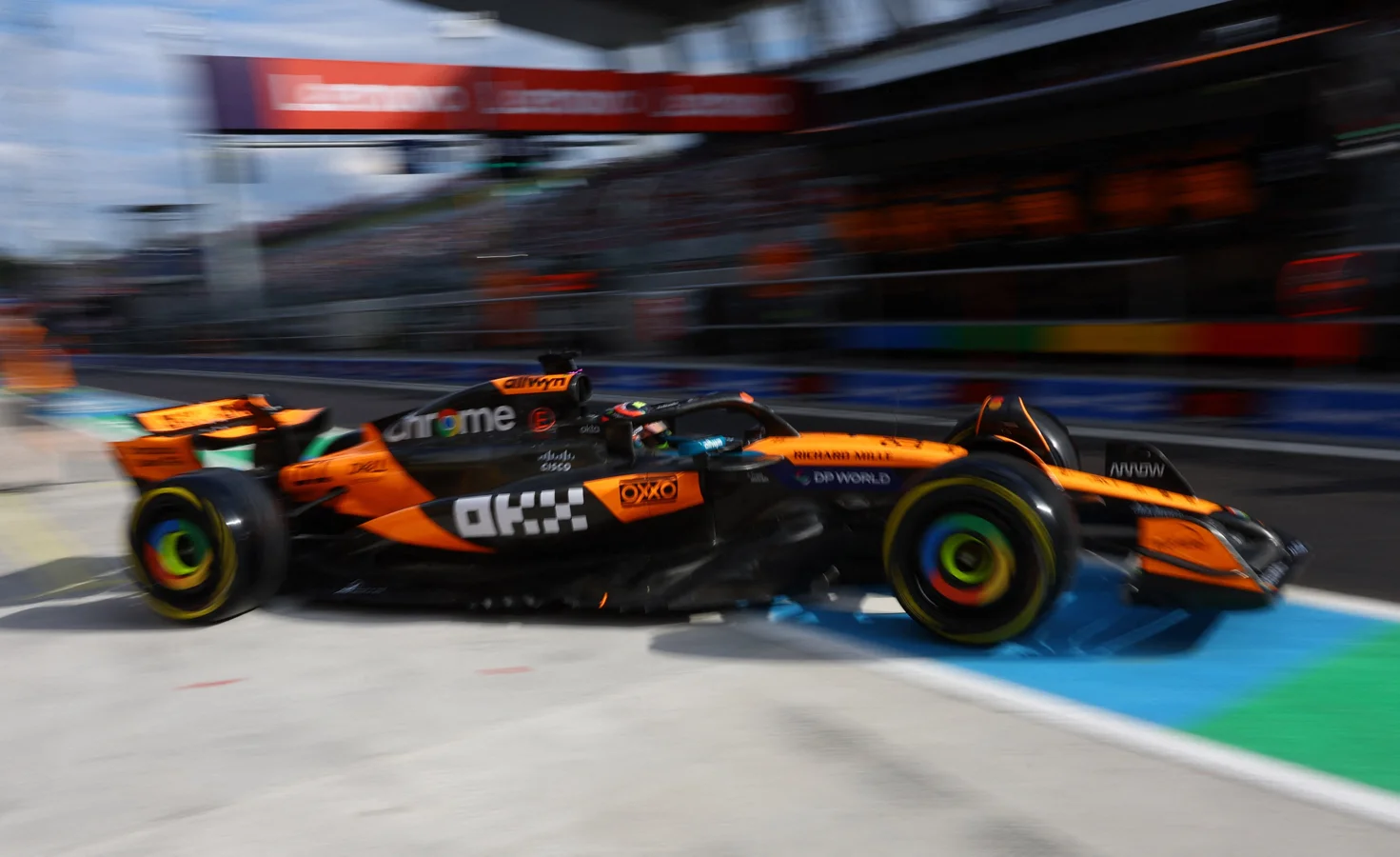

Between 1999 and 2004, Ferrari dominated Formula 1 by winning six consecutive constructors’ championships and five drivers’ titles. Their 2000 season was remarkable, with victories in 13 of 17 grands prix, while in their peak years of 2002 and 2004 they claimed 15 wins out of 17 and 15 out of 18 races respectively. The F2004 car set lap records that stood for years at multiple venues.
This era was marked not only by Ferrari’s formidable performance but also unfounded accusations of cheating from rivals unable to match their pace. McLaren’s recent period of dominance has drawn striking parallels, including similar conspiracy theories from competitors.
Andrea Stella’s Unique Perspective on Team Development and Success
Andrea Stella, McLaren’s team principal, brings valuable insight having been part of Ferrari’s resurgence during the early 2000s. Joining Ferrari in 2000 as a performance engineer on the test team, Stella later worked alongside Michael Schumacher in 2002 during Ferrari’s formative golden era. He regards that time as a benchmark for competitiveness.
Ahead of the Hungarian Grand Prix, Stella was asked to compare McLaren’s rise to Ferrari’s early success two decades ago. Reflecting on his role then versus now, he explained,
“I was in a very different role,”
—Andrea Stella, McLaren Team Principal
He continued to highlight two key characteristics of McLaren’s current journey: rapid progress and the absence of individual superstars.
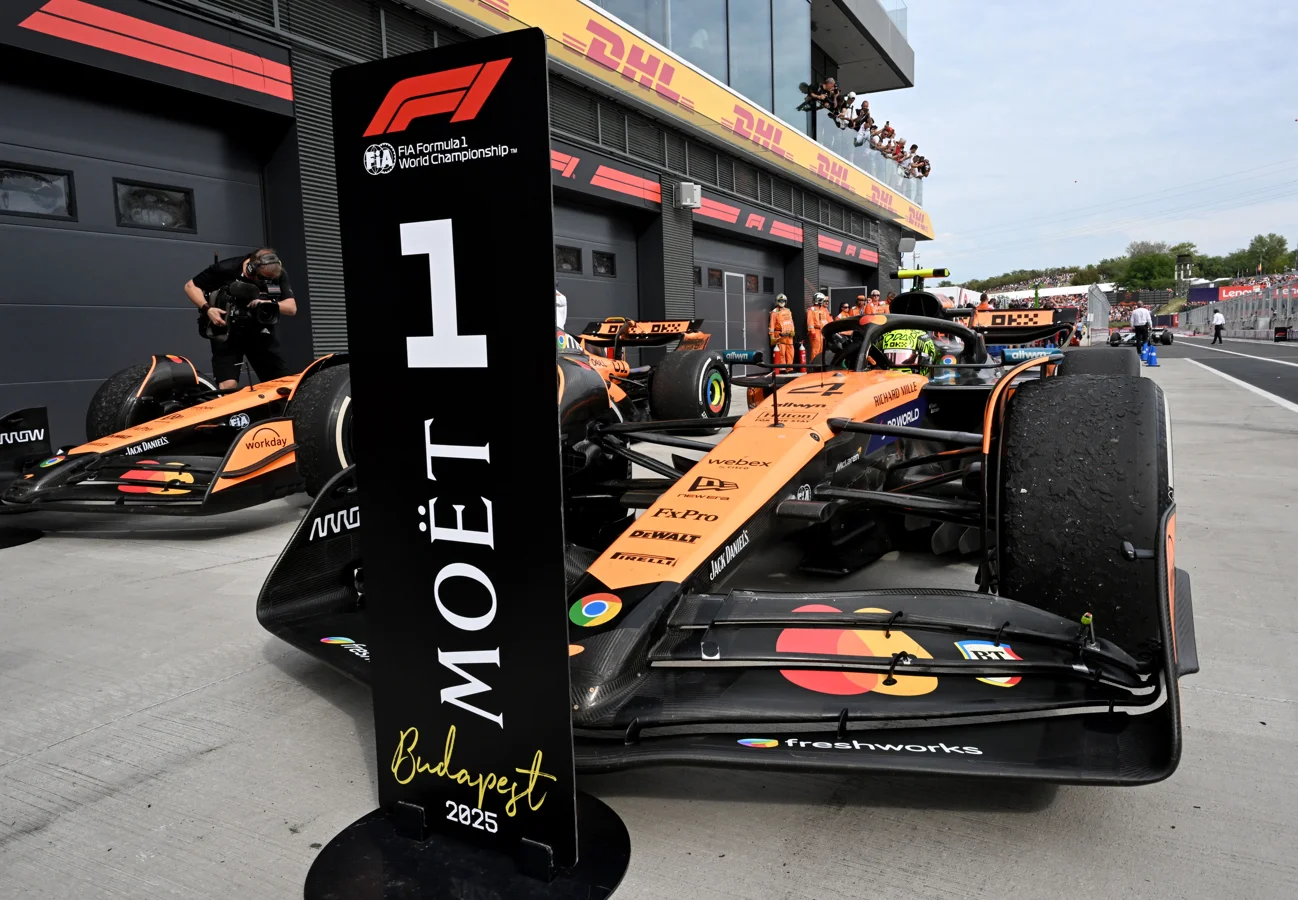
“But if I had to pick a couple of features of the journey that is happening here at McLaren, I would say the rate of progress we have had in a couple of years is in itself pretty unique, and possibly the rate of progress itself was even faster than what we experienced at Ferrari in the very competitive times.”
—Andrea Stella, McLaren Team Principal
“The second one is that there are no superstars. It’s like a proper team journey, and this includes even the drivers. So, I would say these are the two main features that are peculiar of the journey that we are having at McLaren right now.”
—Andrea Stella, McLaren Team Principal
Lessons from Ferrari’s Cultural Revolution Under Jean Todt
Ferrari’s resurgence in the late 1990s and early 2000s was driven by a profound cultural shift led by team principal Jean Todt. Bringing in Michael Schumacher, alongside key technical figures like Ross Brawn and Rory Byrne, Todt focused on reshaping the team environment. Brawn has described this transformation as one centered on culture, rather than just personnel changes.
Against the backdrop of intense media scrutiny, Brawn cultivated a culture emphasizing shared responsibility instead of blame. This approach protected team members from external pressures and fostered a collaborative atmosphere where ideas flourished.
Reflecting on the early days, Brawn recalled his efforts to prevent punitive actions after setbacks, stating that he took personal responsibility to shield the team.
“The [Italian] media was very prolific, and there was a tendency to want to hang someone out to dry if anything went wrong. Fortunately Jean Todt was very on board with the idea that if you protected people they could get on and do a better job.”
—Ross Brawn, Former Ferrari Technical Director
This supportive culture was vital in allowing Ferrari to build the cohesive, motivated team that propelled them to dominance.
How McLaren Is Building a Strong Team and Technical Edge
Like Ferrari’s previous era, McLaren’s current success is underpinned by a tight-knit, motivated workforce. What distinguishes McLaren’s advancement is not only rapid progress but the consistent implementation of effective updates on the car, a challenge many teams still struggle with.
Stella credits this achievement to a focus on fundamentals and a meticulous understanding of development methodologies, especially in aerodynamic design. This approach ensures that innovations tested in simulations and wind tunnels translate effectively to on-track performance.
“This trend that we have been able to establish, whereby developments – being from a mechanical point of view, but above all aerodynamic – have been successful, is the result of many factors.”
—Andrea Stella, McLaren Team Principal
He emphasized the critical role played by a competent and talented team driving these processes, adding,
“I have to praise the quality of the people because even if we talk methodologies, they are always led by people. I’ve been very lucky that I could lean on very competent leaders and a very talented team.”
—Andrea Stella, McLaren Team Principal
This accumulation of knowledge and precise correlation between simulation and reality remains one of the most demanding battles for any Formula 1 team.
The Significance of a Superstar-Free, Collective Approach
Both Ferrari in the early 2000s and McLaren today demonstrate that sustained success often comes from collective effort rather than relying on individual stars. McLaren’s ongoing journey, according to Stella, reinforces the value of a shared commitment across all members of the team, including drivers like Lando Norris.
Where rivals have grown restless or suspicious, McLaren’s ability to progress rapidly and integrate developments effectively may well determine the shape of the Formula 1 hierarchy for years to come. This cultural and technical framework positions McLaren as a strong contender, echoing Ferrari’s legendary dominance early in the century.
As McLaren continues to build on this foundation, the wider F1 community watches closely to see if this era of growth will evolve into a sustained period of championship-winning performance reminiscent of Ferrari’s historic run.