
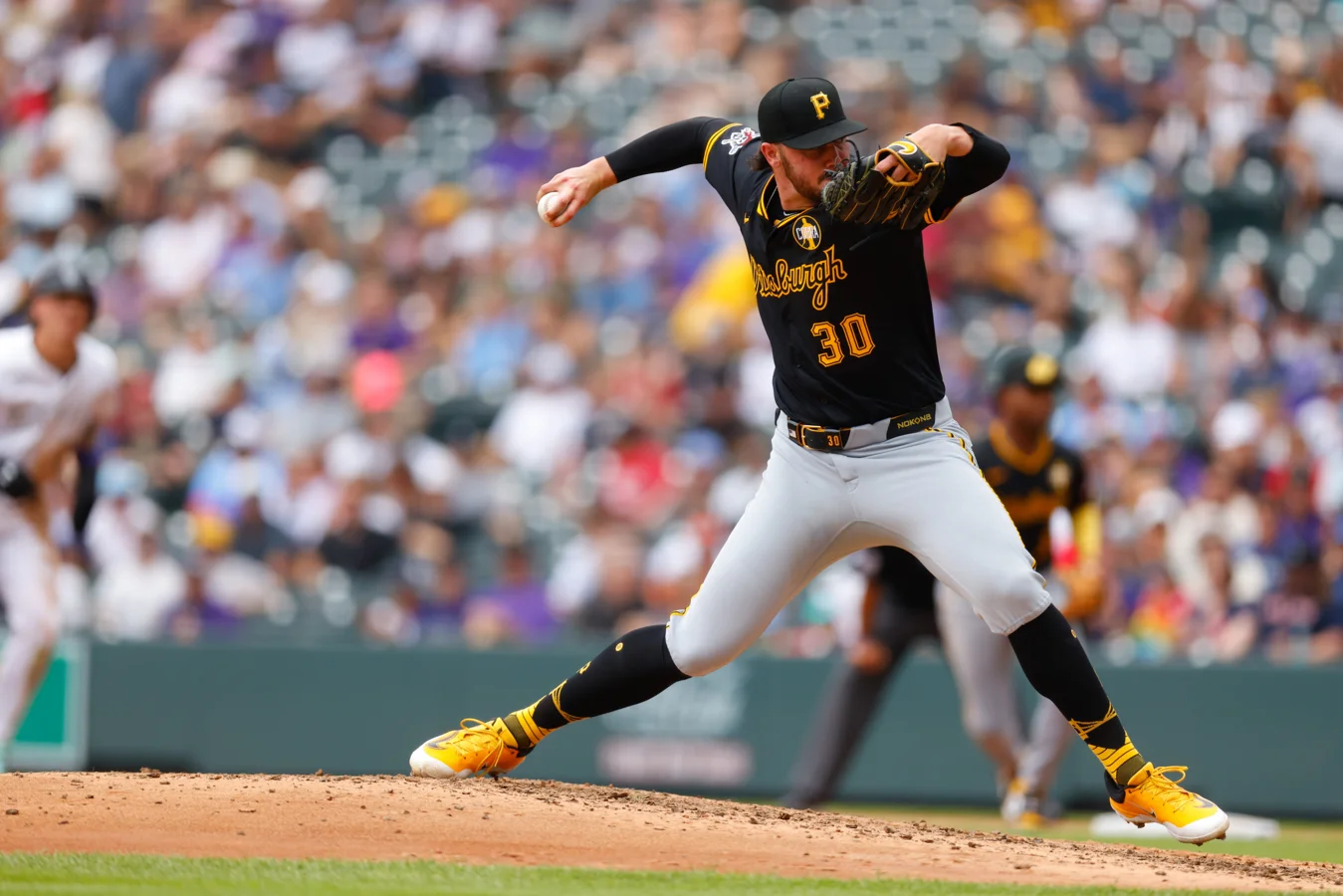

The Pittsburgh Pirates are once again struggling to secure a long-term agreement with rising star pitcher Paul Skenes at PNC Park. Despite Skenes being one of Major League Baseball’s most promising young talents, the Pirates seem reluctant to offer the financial commitment needed to keep him amid interest from powerhouse teams.
The organization’s cautious spending reflects ongoing frustrations among fans, as the Pirates have missed the postseason since 2015 and have not won a World Series since 1979. Ownership continues to maintain one of the lowest payrolls in the league, with the 2025 Opening Day roster costing around $85.5 million, showing a continued hesitance to invest heavily in building a competitive roster.
Pirates’ Financial Strategy Undermines Skenes Contract Prospects
Rumors emerged that the Pirates might pursue a contract extension with Paul Skenes, sparking hope in the fanbase. However, those hopes have dimmed as the team appears unwilling to increase payroll significantly. General Manager Ben Cherington recently indicated that the money saved at the trade deadline would be redirected, but according to John Perrotto, it seems that the savings will not translate into a higher budget for 2026.
Pittsburgh Pirates general manager Ben Cherington said last week that the money the team saved at the MLB trade deadline would be reallocated,
—John Perrotto
Two sources briefed on the situation told Pittsburgh Baseball Now that owner Bob Nutting will likely give Cherington the same player payroll as this season or perhaps a bit lower.
This news significantly weakens the Pirates’ position in negotiating with Skenes as the New York Yankees and Los Angeles Dodgers remain interested in acquiring the gifted pitcher. Without a raise in payroll, retaining a player of Skenes’ potential becomes increasingly unlikely.
Trade Deadline Moves Highlight Cost-Cutting Approach
At the recent trade deadline, the Pirates prioritized lowering their payroll rather than investing in experienced players, trading away notable contributors such as David Bednar, Ke’Bryan Hayes, and Caleb Ferguson in exchange for prospects. The Pirates also offloaded the $36 million remaining on Hayes’ contract in a move to cut costs, despite earlier suggestions that savings would be reinvested into the team.
With no increase in financial flexibility expected, the Pirates face a bleak outlook for securing Skenes before free agency. Comparisons within the league illustrate this gap: the Boston Red Sox recently signed outfielder Roman Anthony to an eight-year, $130 million deal, although Anthony’s profile does not match Skenes’ level of potential.
A contract for Skenes would likely need to exceed $200 million, a figure far beyond what the Pirates have been willing to spend since their payroll has not surpassed $100 million annually since 2017. This widening financial gap clearly dims expectations for a long-term commitment from the organization.