
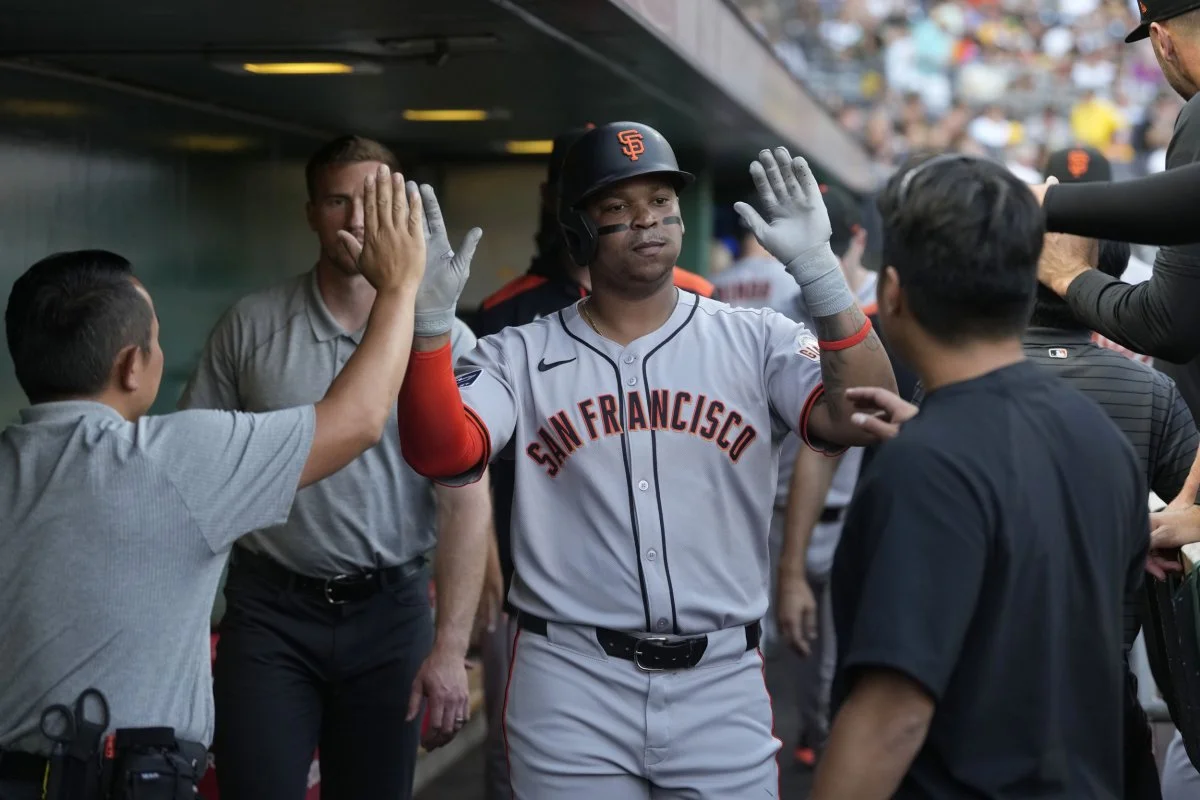

On June 15, the Boston Red Sox completed a trade sending slugger Rafael Devers to the San Francisco Giants, a move that significantly improved the team’s financial flexibility by offloading roughly $270 million remaining on Devers’ contract. This newfound budget freedom allowed the Red Sox to pursue other impactful investments, fueling optimism about their playoff chances.
One immediate result of the financial room created was the Red Sox securing an eight-year, $130 million contract extension with rookie outfielder Roman Anthony, a promising 21-year-old talent. The deal includes escalators that could raise the total value to $230 million, underscoring Boston’s commitment to building around younger talent.
Impact on Team Performance and Standings
Despite initial concerns from baseball insiders around the time of the trade, the Red Sox have maintained a competitive position in the American League East, currently second with a 64-52 record. They also hold the top Wild Card spot, sitting 2.5 games ahead, demonstrating that the trade has not derailed their postseason ambitions as some feared.
In contrast, the Giants have struggled since acquiring Devers. Their 17-26 record since the trade places them five games behind the New York Mets for the third National League Wild Card position, highlighting the challenges San Francisco has faced despite adding the All-Star hitter.
Expert Analysis Highlights Mixed Outcomes Post-Trade
Jon Heyman, a New York Post reporter, offered his candid perspective on the trade’s consequences during an appearance on The Bleacher Report’s Walk-Off podcast. He noted that Devers’ impact on the Giants has been underwhelming and that the team’s standing has worsened.
“Devers has not been great for the Giants,”
said Heyman.
“The team has fallen, and they’ve lost, as the chatter told me, eight games to the Dodgers since that trade. They’ve been one of the worst teams in the National League, probably not quite as bad as the Rockies and maybe the Nationals, but they’ve been down there since making this trade. It has not worked.”
—Jon Heyman, New York Post
Heyman described Devers as a difficult presence in the clubhouse who, given his salary and age, might be better suited to a designated hitter role, emphasizing the necessity of the trade from Boston’s perspective.
“From the Red Sox standpoint, it was a godsend. Let’s be honest about it. I mean, I know Devers was doing well, but they didn’t have a ton of teams in on him. This was a DH for them,”
he added. —Jon Heyman, New York Post
Rafael Devers’ On-Field Performance Since Joining the Giants
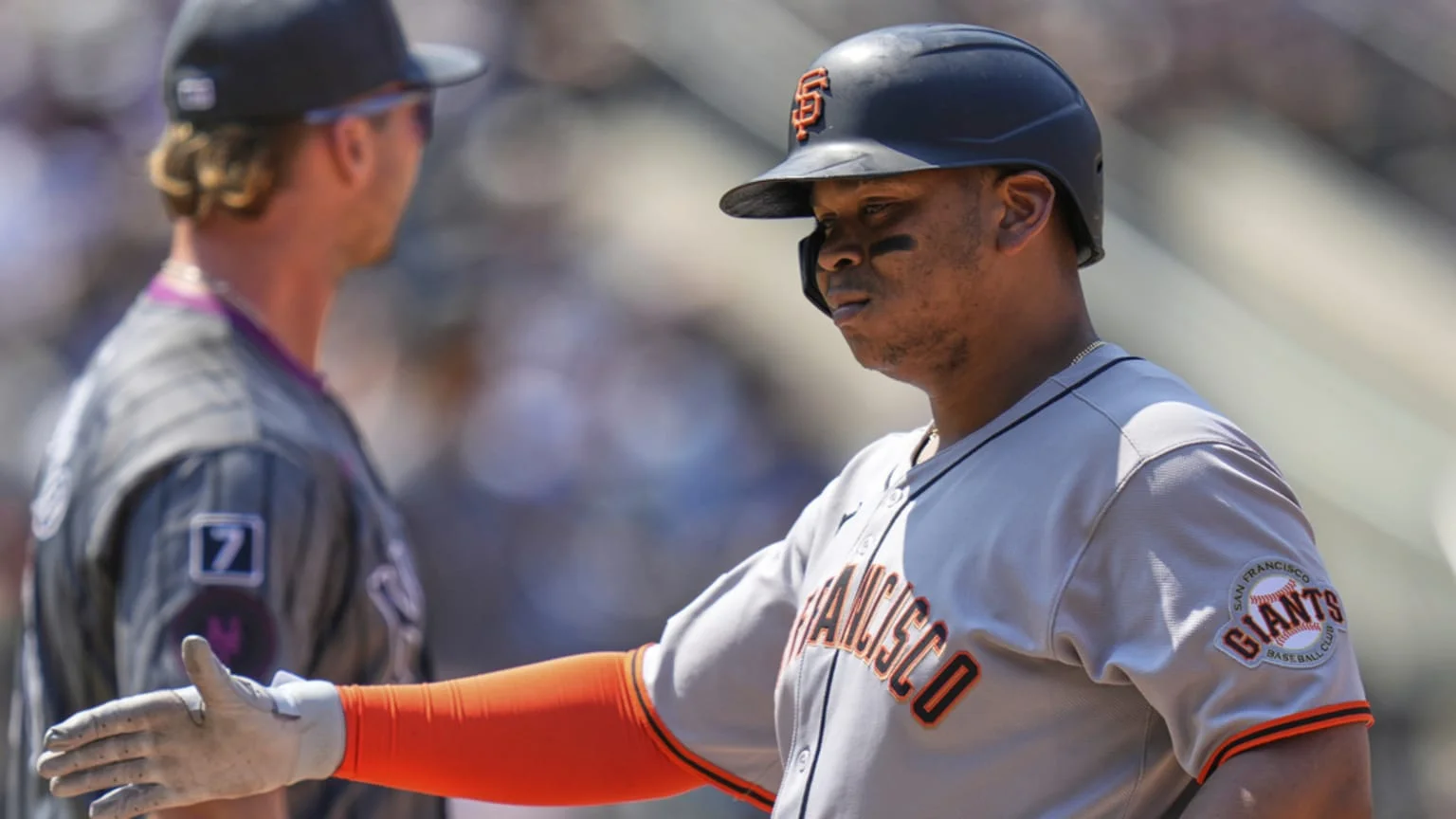
Since his move to San Francisco, Devers has appeared in 43 games, recording a batting average of .225, hitting five home runs, and driving in 20 runs. His strikeout rate has been notably high, with 59 strikeouts in 160 at-bats. Defensively, Devers has begun playing first base, registering a .982 fielding percentage with one error over seven games, signaling an adjustment period in his new role.
Significance of the Trade for Boston’s Playoff Prospects
The Rafael Devers Red Sox trade has been labeled a pivotal moment that helped stabilize Boston’s postseason chances by enabling roster flexibility and financial maneuverability. While some observers viewed the departure of a star player as risky or demoralizing, the Red Sox’s current standings indicate the move may have been beneficial in balancing both immediate competitiveness and future growth.
As the season progresses, the Red Sox’s ability to leverage their resources, particularly through investments like Roman Anthony’s contract, will be critical to their attempt to secure a deep playoff run. Meanwhile, the Giants continue to face challenges in maximizing the return on their investment in Devers.