
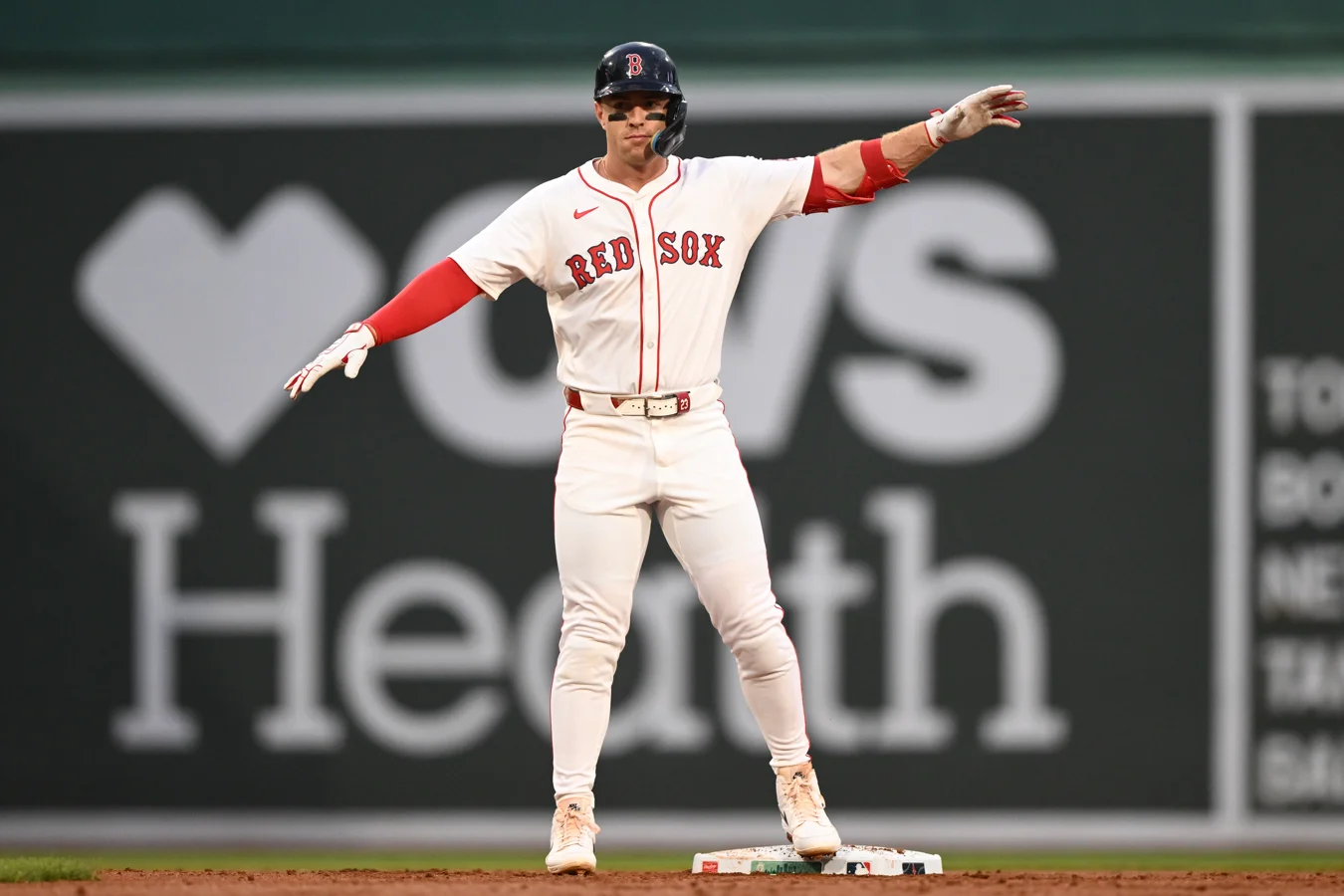

On June 15, 2025, the baseball world experienced a major shakeup when Boston Red Sox and San Francisco Giants completed a blockbuster trade involving Rafael Devers. This transaction has sparked extensive analysis surrounding the Rafael Devers trade impact analysis, highlighting how Boston has found a renewed surge while the Giants have faced difficulties since the deal.
The Reasons Behind the High-Profile Swap
The trade unfolded on Father’s Day, a noteworthy moment for Red Sox chief baseball officer Craig Breslow and Giants president of baseball operations Buster Posey, both fathers with large families. They exchanged Rafael Devers, the long-time face of Boston’s 2018 World Series team, for a package including right-handed reliever Jordan Hicks, left-handed starter Kyle Harrison, relief prospect Jose Bello, and outfield prospect James Tibbs III. The timing surprised many Red Sox supporters, as the veteran slugger had just homered to help Boston sweep the New York Yankees.
Boston’s Challenge: Navigating Internal Turmoil
To Red Sox fans, Rafael Devers appeared as a standout performer in 2025, boasting a .272 batting average, a .401 on-base percentage, and a .504 slugging percentage, combining for a .905 OPS, far surpassing the league average. However, beneath these solid numbers, tensions ran high in the clubhouse. After the acquisition of Alex Bregman — an All-Star and Gold Glove winner — Devers was displeased by a position change from third base to designated hitter. Despite limited defensive prowess, Devers resisted further adjustment attempts, particularly rejecting a suggested move to first base following Triston Casas’ season-ending injury.
Through June 15, the Red Sox held a mediocre 37-36 record. Yet, after parting ways with Devers, Boston’s performance improved significantly, compiling a 27-16 mark. This surge indicated not only on-field success but also a calmer clubhouse atmosphere, as the team seemed to grow stronger following the trade.
San Francisco’s Strength and Subsequent Offensive Void
The Giants started the 2025 season brightly, resembling the Red Sox’s offseason hopes with their early success. They posted a 19-12 record over March and April, powered in large part by their elite bullpen anchored by closer Camilo Doval, who maintained a 1.69 ERA before being traded later, along with Randy Rodríguez, Tyler Rogers, and Erik Miller, all boasting ERAs under 1.75. This pitching depth initially masked offensive shortcomings.
By June, however, the Giants‘ offense faltered, worsened by the injury of All-Star third baseman Matt Chapman. The Giants’ once balanced approach faltered, underscoring their urgent need for offensive firepower to contend in the fiercely competitive NL West. Devers, arriving with eight years left on his contract, promised flexibility and star power but ultimately faced a slump, with his strikeout rate increasing sharply to 30.9% and his OPS dropping to .715.
The Strategic Brilliance Behind Boston’s Moves
Craig Breslow, known as one of the smartest minds in baseball and a Yale graduate who declined medical school for a professional baseball career, may have outmaneuvered expectations with this trade. Despite criticism from an anxious fan base, Breslow used the assets acquired from Devers to fuel further roster enhancements.
One key piece, James Tibbs III, brought value by being traded for Dodgers starter Dustin May at the trade deadline. Though May’s pre-trade 4.85 ERA over 19 starts is unremarkable compared to the targeted Joe Ryan’s 2.83 ERA, acquiring May allowed Boston to gain a reliable innings eater without surrendering key players like Jarren Duran or Wilyer Abreu, both with over 2.0 fWAR, helping maintain long-term competitiveness.
With a strong core rotation including Garrett Crochet and Brayan Bello, alongside the talented Lucas Giolito and postseason-caliber Walker Buehler, May adds depth and stability without necessitating major sacrifices from the farm system or current squad. Additionally, freeing payroll to secure Roman Anthony’s $130 million, eight-year contract extension signals that Boston is planning long-term.
Despite media focus on headline-grabbing trades in New York and Seattle, Breslow’s calculated moves may well reflect a patient and intelligent approach rather than impulsive transaction-making. This long-term vision suggests Boston’s momentum is not accidental but a product of deliberate roster engineering.
The Giants’ Struggles After the Trade
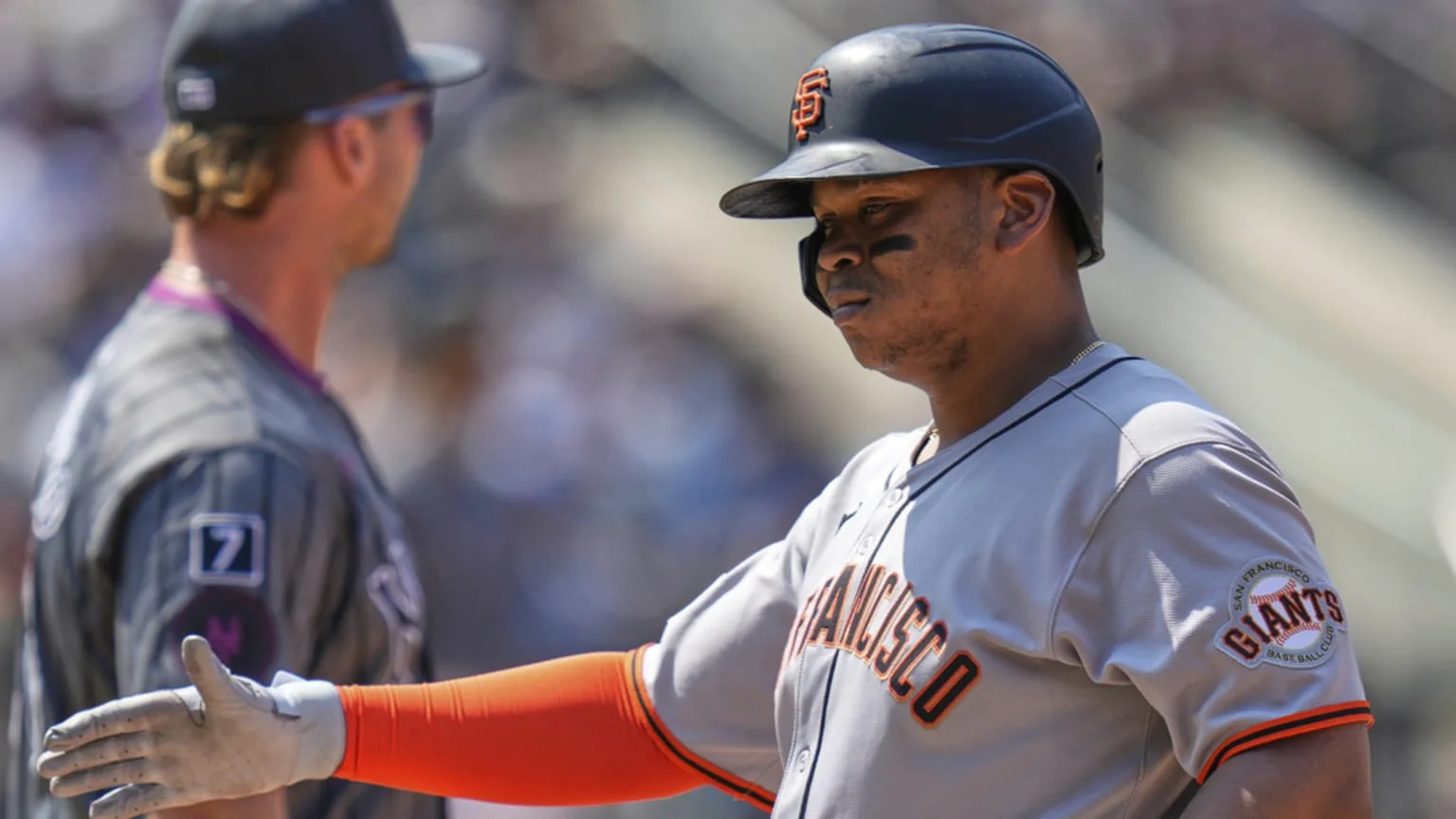
Initially, the trade seemed to benefit San Francisco greatly, providing a much-needed offensive boost to a franchise defined by bullpen excellence. Rafael Devers’ commitment to play any position highlighted his willingness to adapt, contrasting with his reported rigidity in Boston. Yet since the trade, the Giants’ record slipped dramatically to 17-27, ranking as the third-worst in the league through late June.
Devers’ personal performance mirrored the team’s challenges, with increased strikeouts and diminished production. What once looked like a savvy move to bolster offense now appears to have left the Giants searching for additional solutions, revealing the complexities and risks involved in blockbuster trades.
What Lies Ahead for Both Teams
The Rafael Devers trade impact analysis reveals a tale of two cities and two paths: Boston gaining momentum through strategic decisions and roster flexibility, and San Francisco grappling with the reality of an underperforming key acquisition. The Red Sox’s ability to improve their clubhouse environment while enhancing pitching depth may keep them competitive in the AL East. Meanwhile, the Giants will need to address their offensive shortcomings and help Devers regain form if they are to contend seriously in the NL West.
As the 2025 season progresses, both teams’ futures hinge on how they capitalize on this pivotal trade. Boston’s patient, calculated management approach positions them well, whereas San Francisco faces pressure to turn a promising deal into tangible wins.