
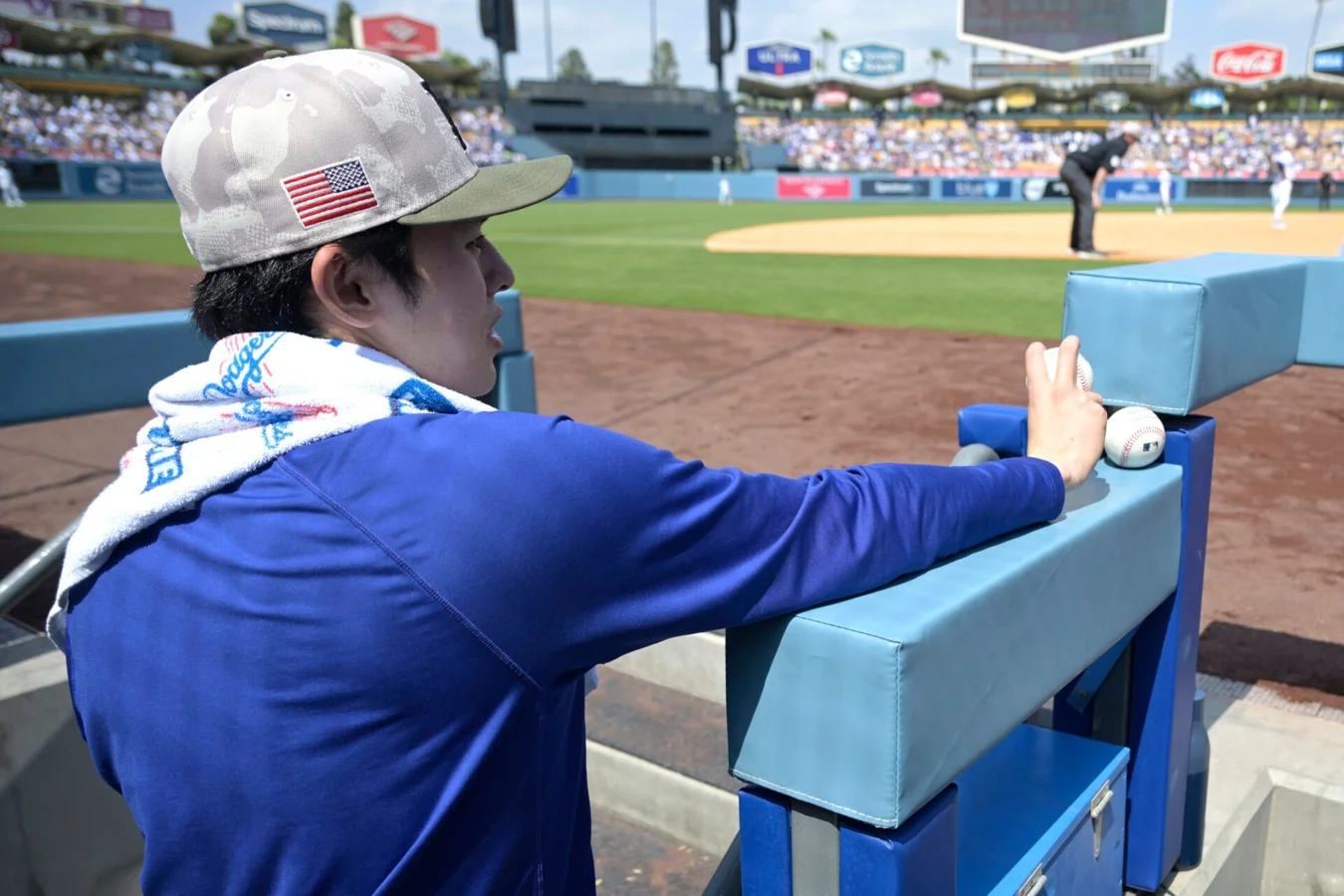

The Los Angeles Dodgers, currently leading the NL West with a narrow margin at 66-49, hope to bolster their pitching depth as they approach October’s critical games. Central to this effort is Roki Sasaki, who has been recovering from a right shoulder injury since early May and spent his rehab crafting a new two-seam fastball to complement his existing pitching style. This development marks an important shift in Sasaki’s approach and could have a significant impact on the Dodgers’ postseason prospects.
Introducing the Two-Seam Fastball: A Strategic Evolution
Roki Sasaki’s new two-seam fastball emerged after three months off the mound during which he focused on improving his arsenal. Previously relying mainly on power pitches such as his four-seamer, splitter, and slider, Sasaki now embraces a two-seamer aimed at adding more movement and control. This change counters challenges he faced due to predictability in his pitching strategy against major league hitters.
Manager Dave Roberts highlighted the influence behind this new pitch, saying,
It’s probably a combination of the pitching coaches, probably watching Shohei [Ohtani], probably watching major league hitters.
He added,
To have two separate fastballs, one that potentially could miss a bat, one that could put a ball on the ground, those are two good weapons. So I appreciate that Roki is open to the two-seamer as well.
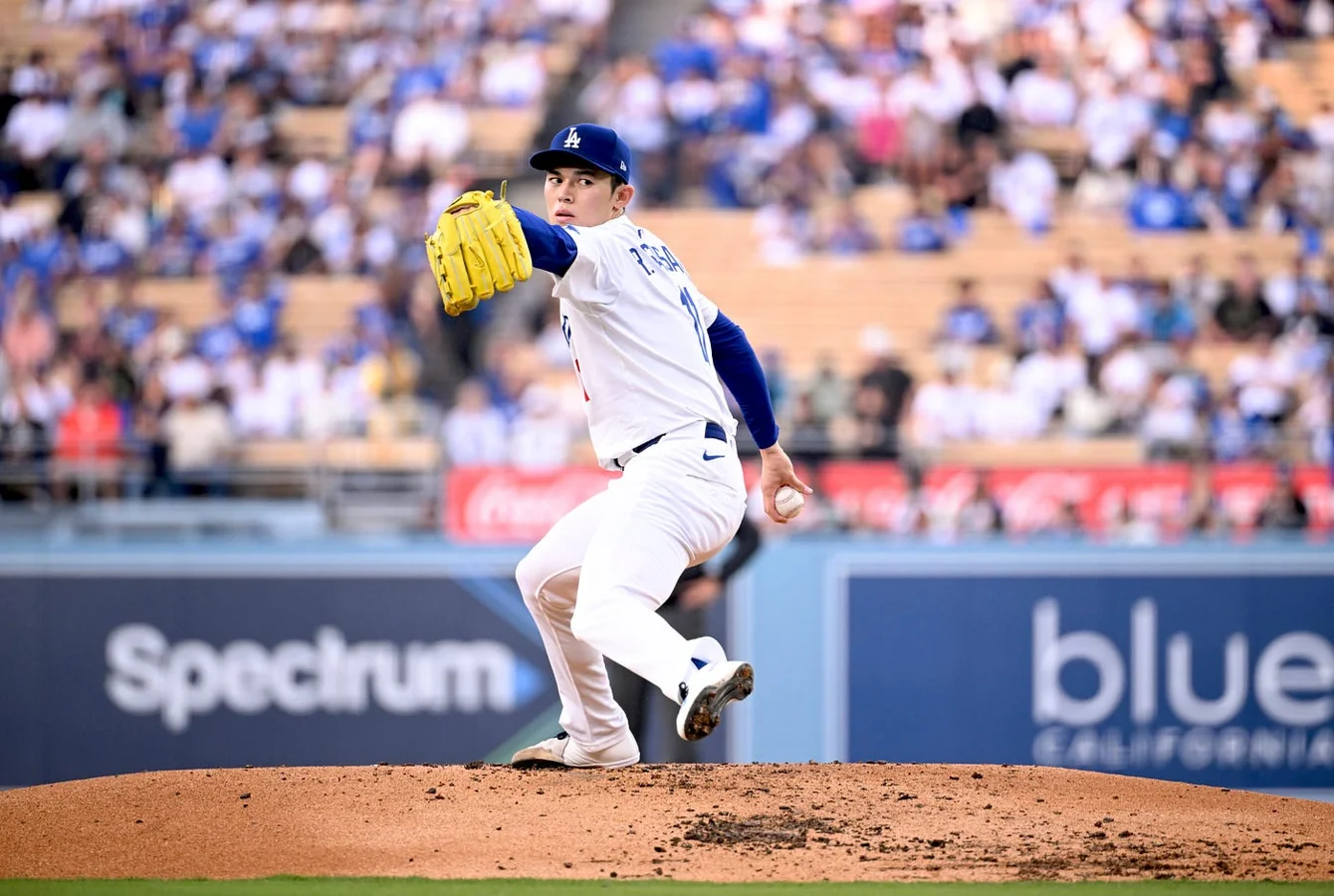
The newly introduced two-seam fastball debuted in live batting practice at Camelback Ranch and continued during a bullpen session at Dodger Stadium. It offers a fresh weapon that can induce ground balls, thereby complementing Sasaki’s existing pitches and addressing earlier difficulties in controlling the strike zone.
Projected Role and Return Timeline for Sasaki
Sasaki’s rookie season has been a mix of promising displays and control struggles. Currently, he owns a 1-1 win-loss record and a 4.72 ERA over eight starts. Despite inconsistencies, his recent bullpen sessions have shown increased velocity with fastballs reaching 96 mph and improved pain-free mechanics.
Sasaki said confidently about his recovery,
I feel better about being able to throw harder, especially because I’m pain-free… I do have to face live hitters and see how my mechanics hold,
signaling readiness to test his form in competitive settings.
Meanwhile, Dave Roberts indicated the team’s current plan is to stretch Sasaki out as a starter. A three-inning live batting practice scheduled for August 8 will serve as a key step in evaluating his preparedness. However, Roberts remains open to using Sasaki in a relief capacity during October if necessary, given the Dodgers’ need for flexible pitching options. As reported by Jack Harris:
As Roki Sasaki continues his throwing program (he threw another bullpen today, and will have a 3 IP live BP on Friday), Dave Roberts said the team is planning to stretch him out as a starter for now But, Roberts left the door open to a potential relief role in Oct, if needed
This adaptability is crucial with Dodgers’ rotation currently featuring established arms such as Blake Snell, Clayton Kershaw, Tyler Glasnow, Yoshinobu Yamamoto, and Shohei Ohtani, all of whom factor into the team‘s post-season strategy.
Why Sasaki Modified His Pitching Style
Sasaki has openly acknowledged that American major league hitters demand a different approach compared to Japanese batters he faced earlier in his career. Attacking hitters solely with velocity became less effective, necessitating more pitch variation to keep hitters off balance.
He explained,
American hitters have a different approach at the plate compared to Japanese hitters, so I can’t really attack the way that I used to in Japan… (I needed) to have more variety in how I attack hitters.
The two-seam fastball is designed to induce early-count ground ball outs, working in tandem with his splitter and slider to diversify his attack and potentially make his four-seam fastball tougher to predict. This strategic adaptation reflects Sasaki’s growth from a pure velocity pitcher to a more nuanced competitor able to read hitters and respond effectively.
Implications for the Dodgers’ Postseason Hopes
The Dodgers carry a slim two-game lead over the San Diego Padres, making depth in the pitching staff a vital concern for October’s playoff push. Typically, only three or four starters see significant action, so having a healthy and effective Sasaki could provide essential flexibility either as a starter or a bullpen option.
During April, Sasaki demonstrated his high ceiling by striking out 23.2% of batters faced, but his 4.72 ERA underlines the need for more consistent control and execution. The upcoming live batting practice will be a critical proving ground to assess whether his improved mechanics and new pitch have taken hold under pressure.
If Sasaki succeeds in these final steps before rejoining the Dodgers’ active roster, his enhanced pitching strategy could not only strengthen a rotation grappling with question marks but also sustain Los Angeles’ ambitions for a deep postseason run.