
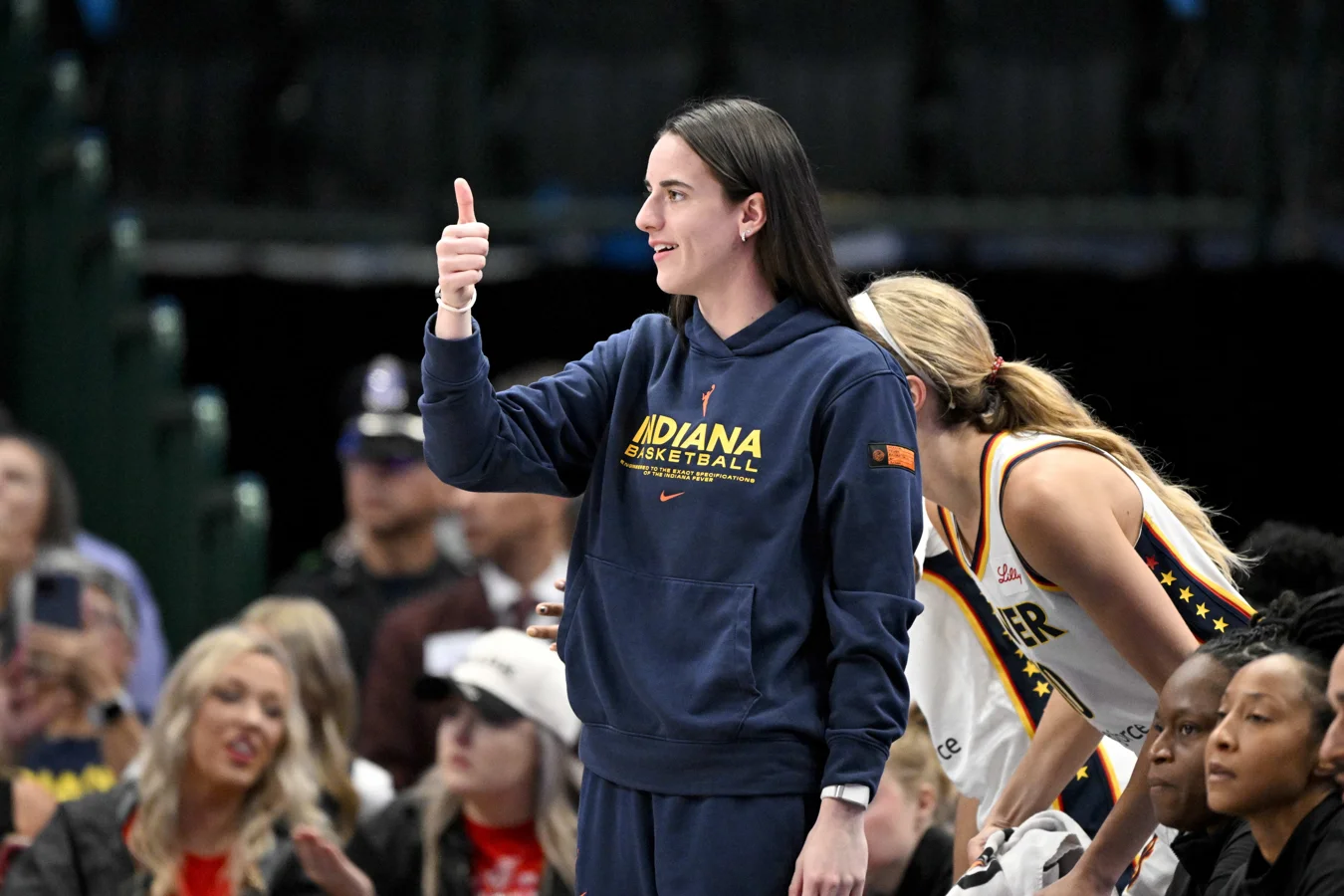

The Caitlin Clark Angel Reese rivalry has rapidly emerged as one of the most intense and culturally significant matchups in women’s basketball. Since their dramatic first clash during the 2023 NCAA championship game, these two athletes have captivated fans and shifted the conversation around the sport, sparking a broader cultural dialogue about competition, style, and identity.
Rivalries have long been central to sports, often evolving gradually but sometimes exploding onto the scene with immediate impact. The tension between Clark and Reese embodies this latter dynamic, drawing attention not only for their on-court performances but also for the way their interactions resonate beyond basketball, influencing how people engage with women’s sports today.
Understanding the Nature of Modern Sports Rivalries
From subtle beginnings like a foul or a key three-pointer, rivalries grow into powerful narratives that capture the imagination of fans and athletes alike. Since the mid-2010s, such intense rivalries have become a defining feature across multiple sports, cutting across the boundary between respect and hostility. They are more than just competition—rivalries thrive in the friction between players’ personalities, fans’ passions, and media narratives.
This phenomenon helps explain why the Caitlin Clark Angel Reese rivalry, despite its recent start, has drawn substantial attention. Their confrontations represent not only high-stakes basketball but also cultural moments that fuel conversations about confidence, identity, and competition in women’s sports. This rivalry quickly earned a place among the most compelling athletic duels since 2015.
What Fueled the Clark-Reese Rivalry’s Rise to Prominence
The defining moment came during the 2023 NCAA title game when LSU, featuring Angel Reese, defeated Iowa led by Caitlin Clark. Reese’s emphatic “you can’t see me” gesture combined with a pointed reference to her championship ring instantly ignited debate and attention, making headlines far beyond usual women’s basketball coverage.
The following year’s rematch in the 2024 Elite Eight continued the drama. Clark played aggressively, helping Iowa secure a victory, and framing the rivalry as one not just of skill but of ongoing narrative tension and personal pride. Their back-and-forth battles have since become a story of style clashing with defiance—a compelling storyline for fans, media, and the larger sports community.
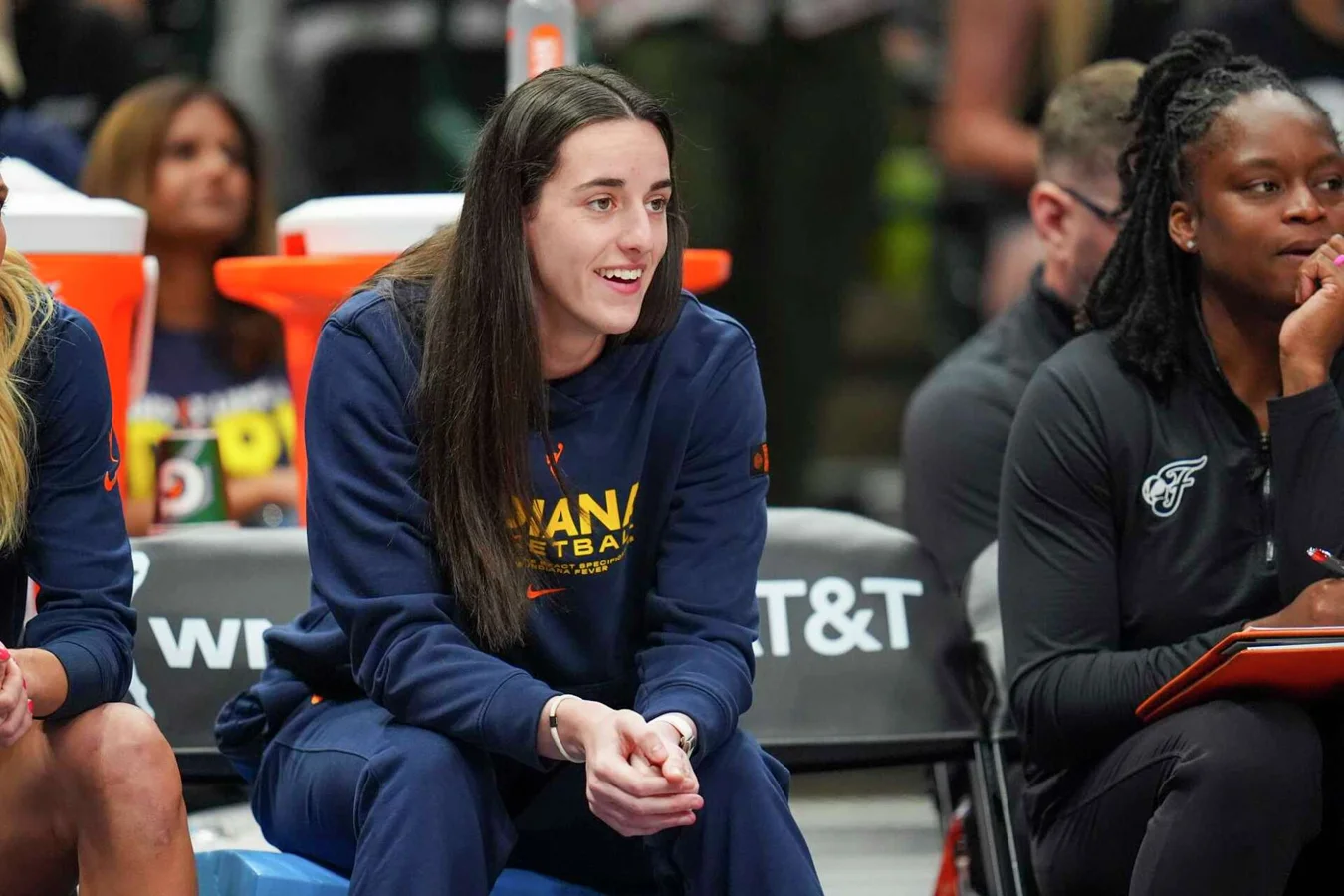
Now starring in the WNBA for Indiana and Chicago respectively, their paths are expected to cross repeatedly, ensuring the rivalry remains a defining feature of women’s basketball. Clark’s recent groin injury may keep her sidelined during the upcoming showcase rivalry week, but the momentum and interest around their competition continue unabated.
How the Clark-Reese Rivalry Compares to Other Recent Sports Rivalries
Since 2015, sports have witnessed numerous high-profile rivalries that have captivated fans worldwide, from Serena Williams and Naomi Osaka’s dramatic tennis encounters to the global on-track battle between Max Verstappen and Lewis Hamilton in Formula 1. However, the Clark-Reese rivalry stands out due to its intersection with cultural conversations about race, gender, and sportsmanship amid a rapidly evolving sports landscape.
For context, some of the most influential rivalries of recent years include:
- Lionel Messi vs. Cristiano Ronaldo: Continuing beyond their La Liga days, their duel has defined modern soccer through exceptional achievements and contrasting playing styles.
- Golden State Warriors vs. Cleveland Cavaliers: A defining NBA rivalry marked by four consecutive Finals clashes from 2015 to 2018, showcasing basketball legends like Steph Curry and LeBron James.
- Alabama vs. Georgia College Football: A fierce SEC rivalry producing multiple national championship games and featuring top NFL prospects.
- Novak Djokovic vs. Rafael Nadal: One of tennis’s longest and most intense rivalries with over 60 matches played and shared Grand Slam titles.
- Max Verstappen vs. Lewis Hamilton: A high-stakes, fast-paced Formula 1 rivalry with dramatic collisions and championship battles.
- New York Yankees vs. Houston Astros: Elevated by scandal and postseason confrontations, their baseball rivalry has carried deep emotional and competitive weight.
- UConn vs. South Carolina Women’s Basketball: A meaningful battleground of collegiate powerhouses shaping women’s basketball for years.
- Serena Williams vs. Naomi Osaka: A high-profile tennis rivalry that also reflected generational change and cultural dynamics.
- Dallas Cowboys vs. Philadelphia Eagles: A storied NFL divisional rivalry with frequent playoff implications and competitive clashes.
Though the Clark-Reese rivalry is younger, its rapid growth and cultural impact position it among these elite contests, blending athletic excellence with broader social significance.
Examining the Players’ Contrasting Styles and Impact
Caitlin Clark is renowned for her deep-range shooting ability, often converting three-point attempts that seem almost guaranteed regardless of distance. Her offensive flair and prolific scoring make her one of the most exciting players to watch in women’s basketball. Angel Reese, meanwhile, dominates with a commanding presence on the boards and physical toughness, embodying relentless rebounding and defensive strength.
Their differing approaches—Clark’s sharpshooting and offensive wizardry versus Reese’s interior dominance and intensity—set up compelling matchups where skill meets grit. This contrast fuels the rivalry’s narrative and adds layers of intrigue for fans and analysts, who see these players as representatives of distinct basketball philosophies.
Wider Cultural Resonance and Media Attention
The 2023 NCAA championship moment brought unprecedented mainstream media focus to women’s basketball. Reese’s iconic gesture sparked conversations about sportsmanship, athlete expression, and racial dynamics that extended well beyond the court. These discussions ignited both praise and criticism, revealing the complicated relationship between sports, culture, and society.
As two of the most prominent figures in the WNBA, Clark and Reese now embody more than just competition; they represent changing attitudes about how female athletes assert themselves and command respect. This rivalry has become emblematic of a new era where women’s sports receive growing visibility and where players’ personalities and cultural identities shape the narrative as much as their athletic performances.
Future Outlook: What Lies Ahead for the Clark-Reese Rivalry
The rivalry’s trajectory suggests it will continue to be a dominant storyline in women’s basketball for years to come. Both players have promising careers in the professional league, and their teams—Indiana and Chicago—are poised for frequent matchups that will sustain fan interest and media coverage. Even with setbacks like injury, the competitive tension and cultural significance have established this rivalry as a landmark in women’s sports.
Beyond the court, the Clark-Reese rivalry signals a broader shift in sports culture where female athletes command larger platforms and influence more expansive conversations about identity, respect, and competition. Their dynamic will likely inspire an entire generation of players and fans, reinforcing the importance of narratives that extend beyond athletic achievement alone.
As Caitlin Clark and Angel Reese continue to write this saga, their rivalry promises not only thrilling basketball moments but also a lasting impact on how women’s sports are perceived and valued globally.