
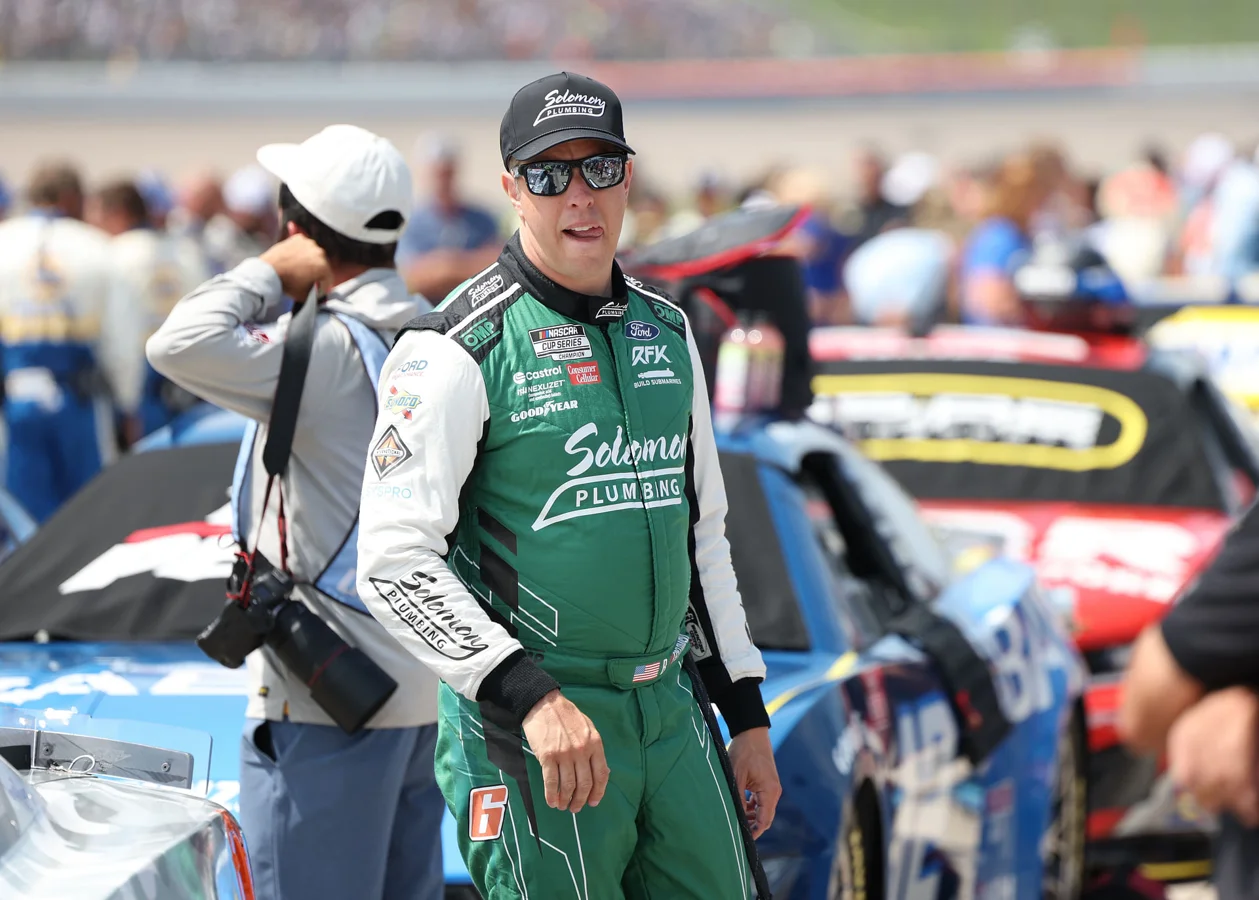

This weekend, the NASCAR Cup Series heads to Watkins Glen in upstate New York, a track steeped in history as a former Formula 1 venue. To celebrate this unique crossover, we evaluate the F1 2025 drivers based on how well they might perform in a NASCAR Cup race, focusing especially on their potential at a demanding road course like The Glen, where their talents could best translate.
While it’s unlikely any F1 driver would dominate NASCAR championships outright, this ranking sheds light on who might adapt quickly and compete strongly, showcasing the diverse skill sets needed for stock car racing.
Evaluating F1 Drivers’ Potential in NASCAR Cup Competition
Adapting to NASCAR requires embracing a rough-and-tumble style often very different from what F1 demands. Here’s a ranking from those least likely to thrive in NASCAR to those who could become front-runners.
21. George Russell – Analytical but Challenged by NASCAR’s Roughness
George Russell’s precise and controlled racing approach in Formula 1, especially his prowess in low-speed corners, contrasts sharply with the intense, aggressive nature of NASCAR stock cars. His tendency to struggle with oversteer, combined with his rule-abiding reputation, suggests the aggressive, often chaotic environment of NASCAR might not suit him.
20. Kimi Antonelli – Youth and Inexperience Limit NASCAR Readiness
Kimi Antonelli’s limited experience and youth present challenges in handling NASCAR’s heavy, physically demanding cars. Tire management, particularly during lengthy green-flag runs with multiple pit stops, remains a skill he’s still developing, which is essential in NASCAR competition.
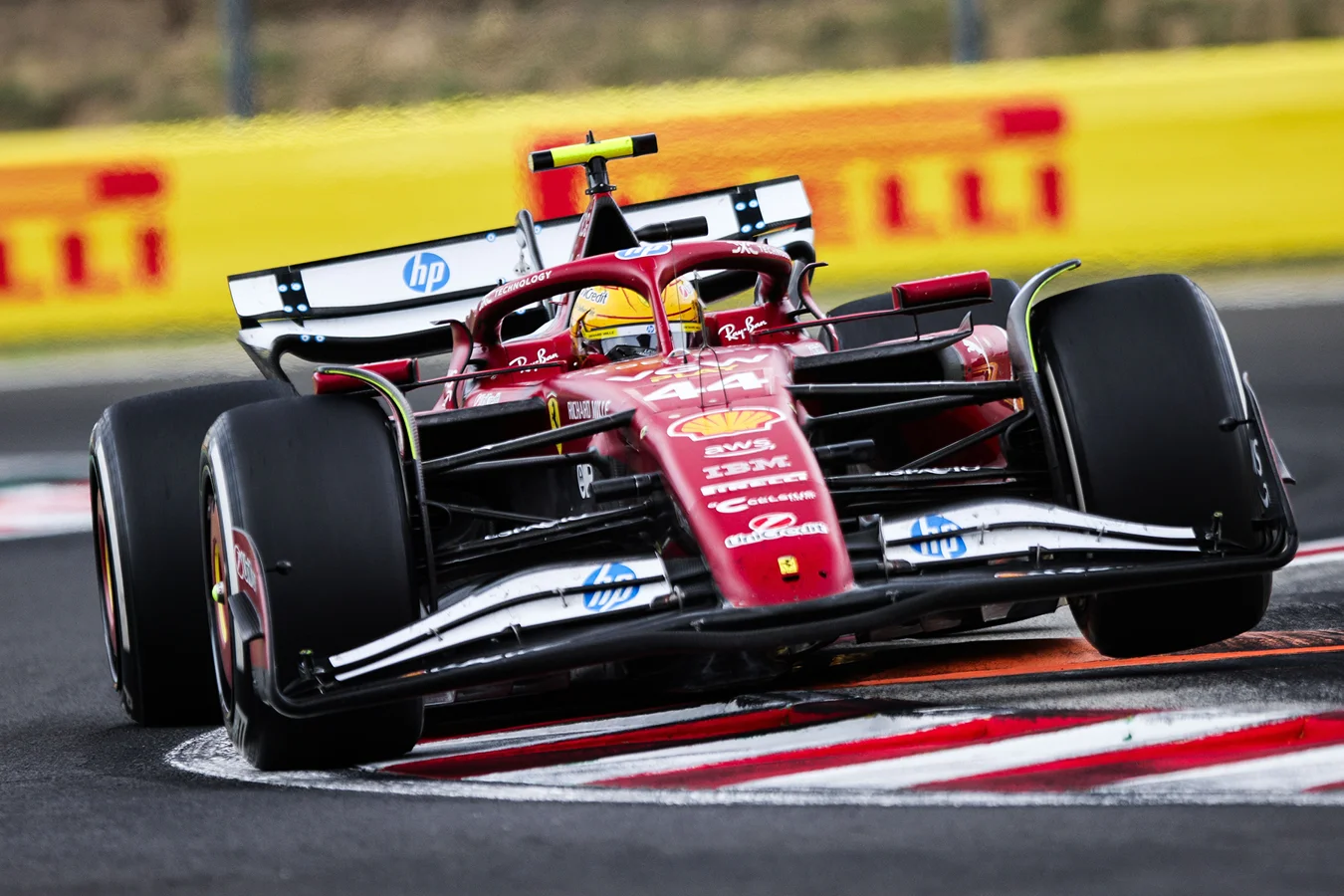
19. Lando Norris – Skilled but Possibly Too Sensitive for NASCAR Intensity
Lando Norris brings valuable skills like confidence at high speeds, tire conservation, and race consistency. However, his susceptibility to pressure and difficulty in intense wheel-to-wheel battles may hinder his success in NASCAR, where contacts and mental toughness are everyday realities.
18. Charles Leclerc – Master of Precision, Master of Radio Sass
Charles Leclerc’s driving demands highly responsive vehicles and precise inputs, contrasting with NASCAR’s less nimble stock cars. However, his fierce and candid communication style might make him a standout on the radio, rivalling known NASCAR vocalists like Kyle Busch.
17. Lewis Hamilton – Demonstrated NASCAR Experience but Limited Oval Suitability
Unique among the list, Lewis Hamilton has experience behind the wheel of a NASCAR Cup car through a 2011 Seat Swap event with Tony Stewart at Watkins Glen. This glimpse suggests he could hold his own on road courses but may struggle with NASCAR’s strategic demands, frequent oversteer, and intense traffic conditions on ovals.
16. Oliver Bearman – Aggressive but Inconsistent Under Pressure
Known for his bold driving style and the ability to stay quick in pressure situations, Oliver Bearman’s unpredictability and early career inconsistency might hinder his NASCAR transition. Mastery of traffic and controlled aggression is crucial in NASCAR’s pack racing environment.
15. Alex Albon – Proven Versatility but Lacks Inner NASCAR Aggression
Alex Albon’s success in the DTM series and strong team communication skills highlight his ability to adapt beyond open-wheel formats. Nonetheless, his struggle to summon the necessary aggression for NASCAR’s physical battles and car adaptation might limit his impact.
14. Pierre Gasly – Balanced Aggression with a Steep Learning Curve
Pierre Gasly combines assertiveness and smoothness, important for managing tires effectively in NASCAR. However, he would need to moderate his aggression for pack racing and adjust to the aerodynamic challenges of riding in the “dirty air” behind other cars, which is a difficult transition for drivers accustomed to more isolated racing.
13. Yuki Tsunoda – Raw Aggression Suited for NASCAR Physicality
Yuki Tsunoda’s intense, sometimes impulsive driving style clashes with the precision required in Formula 1 but could be an asset in NASCAR, where contact and split-second decision-making are common. His physical stature could be less advantageous in the physically demanding Cup cars, but his aggressive approach could make him an exciting presence on the track.
12. Jack Doohan – Adaptability Could Shine in Stock Cars
Despite underwhelming Formula 1 results, Jack Doohan’s success in feeder series and strong adaptability suggest he could perform well in NASCAR with the right team. Visualizing him in a Sam Hunt Racing firesuit highlights his potential in less celebrated but competitive stock car teams.
11. Lance Stroll – Flashes of Talent with Aggressive Instincts
Lance Stroll may not regularly succeed at the highest level but has the aggression and quick reactions needed to feature prominently in unpredictable NASCAR races. His willingness to race close quarters and brave high-speed situations would benefit him when inches separate drivers and wrecks often break out.
10. Esteban Ocon – Smooth and Tenacious with Room to Improve Awareness
Esteban Ocon’s smooth driving style and strong tire management could serve him well on NASCAR road courses. His tendency towards over-defensiveness, common in F1, might help him in aggressive stock car duels, although oval racing demands constant awareness of surrounding traffic, an area he would have to develop strongly.
9. Liam Lawson – Aggressive and Adaptable, but Requires Balance
Liam Lawson’s ability to wrestle an oversteering car and adjust to new machinery gives him an edge. However, his need for a well-balanced car and calm mindset during races positions him just below his teammate in potential NASCAR success. He would provide exciting, entertaining driving coupled with sharp radio communication.
8. Isack Hadjar – Aggression Perfectly Complemented for NASCAR Style
Isack Hadjar stands out with his aggressive and committed driving, making him a favorite as a rookie of the year contender. His comfort with oversteer and willingness to use the bumper suggests he would fit seamlessly into NASCAR’s bumper-to-bumper battles, often pushing past more experienced drivers.
7. Oscar Piastri – Quiet Observer Poised to Become a Major Threat
Oscar Piastri’s initial understated presence in Formula 1 belies his impressive speed and tyre management growth. Transitioning to NASCAR might require a learning phase early on, but once acclimated, Piastri’s consistent and composed driving would make him a formidable competitor.
6. Franco Colapinto – Endurance Experience Bolstering Aggressive NASCAR Suitability
Franco Colapinto’s background in endurance and GT3 racing lends him experience in handling heavier and less responsive cars than open-wheelers. His raw and fearless style, while a liability in F1, matches NASCAR’s demands for aggressive yet durable driving, though consistent track discipline would be essential for success.
5. Gabriel Bortoleto – Proven Stock Car Winner with Rapid Adaptation Skills
Gabriel Bortoleto’s prior success in Stock Car Brasil directly translates to NASCAR potential, displaying his ability to quickly master new, challenging vehicles. His adaptability could position him as a strong contender in the Cup Series after a short adjustment period.
4. Carlos Sainz – Tactical and Versatile with a Heritage of Adaptation
Coming from a family known for versatility, Carlos Sainz Jr. combines an intelligent strategic mindset with excellent tyre management—qualities critical to enduring long NASCAR runs. His open-wheel racing precision and adaptable nature hint at a smooth transition to stock car racing.
3. Nico Hulkenberg – Experienced Multidiscipline Racer Ready for Stock Cars
Nico Hulkenberg boasts rare achievements like a 24 Hours of Le Mans victory and multiple Formula 1 podiums, showcasing his aptitude beyond single-seaters. His smooth, decisive style would translate well once he adjusted to NASCAR’s unique handling, allowing him to move cleanly through the pack and challenge for strong finishes.
2. Max Verstappen – Dominant Champion with Promising Stock Car Tests
Max Verstappen, a four-time Formula 1 World Champion, carries immense talent and racing intelligence. Despite limited experience across multiple disciplines, his recent impressive GT3 car tests display adaptiveness to heavier machinery similar to NASCAR Cup cars. Given time, Verstappen would likely emerge as a frontrunner on NASCAR circuits.
1. Fernando Alonso – Aggressive and Experienced Leader for NASCAR Success
Fernando Alonso stands out as the driver best suited to converting his diverse racing skillset to NASCAR success. His recent non-F1 racing performances and aggressive yet clean driving style fit perfectly with the physical and tactical demands of NASCAR. Alonso’s ability to use the bumper tactically and excel on road courses makes him a formidable contender at venues like Watkins Glen and even on ovals.
This comprehensive ranking not only highlights the challenging leap from Formula 1 to NASCAR but also emphasizes how certain driver attributes and experience align more closely with stock car racing demands. As the NASCAR Cup Series visits a historic F1 venue, it serves as a reminder of motorsport’s shared roots and the exciting possibilities when different racing worlds collide.
With Watkins Glen’s unique blend of fast corners and tight technical sections, it will be fascinating to see which current F1 driving styles and personalities might best translate to success in NASCAR’s distinctive, fiercely competitive environment.