
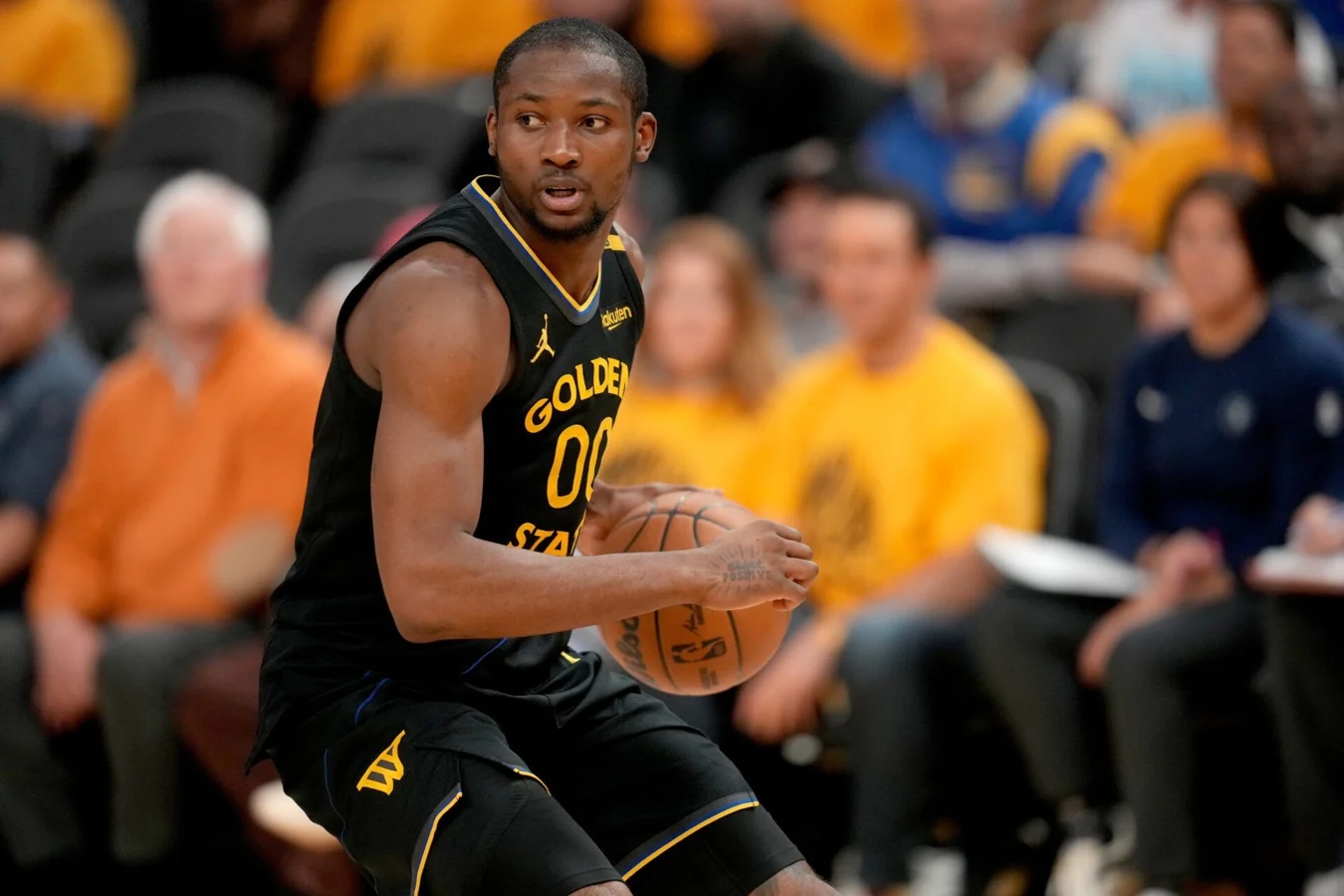

The Golden State Warriors are currently engaged in tense contract negotiations with rising star Jonathan Kuminga that could shape the team’s championship trajectory and financial flexibility. The core issue involves a disagreement over contract terms, particularly whether the second year of Kuminga’s proposed deal will include a player option or a team option.
NBA insider Jake Fischer characterized the ongoing discussions as a stalemate, with neither side willing to yield on this pivotal point. As the Warriors and Kuminga’s camp face off, the outcome will determine not only Kuminga’s future but also the team‘s ability to manage its roster in the coming seasons.
Core Disagreement: Player Option Versus Team Option on Kuminga’s Contract
The contract standoff focuses on the structure rather than the overall value. The Warriors have offered Kuminga a two-year contract worth $45 million but insist the second year be a team option, allowing Golden State control over the extension. Meanwhile, Kuminga’s representatives want that second year to be a player option, giving the player autonomy to decide his future after the first year.
Fischer outlined the situation on Bleacher Report’s Insider Notebook, stating,
“I think that Jonathan Kuminga’s side would take this one-plus-one situation with Golden State, this two-year, $45 million offer that’s been on the table if he were to get a player option in year two,”
and added,
“But I was told yesterday (August 6) from various sources that Golden State is going to be holding firm that the second year is going to be a team option. And that’s kind of where the staring contest is at.”
—Jake Fischer, NBA Insider
This disagreement goes beyond contract mechanics; it reflects competing views on Kuminga’s role. Though only 22 years old, Kuminga has demonstrated versatility and potential, yet head coach Steve Kerr has not fully committed to relying on him as a cornerstone. Despite this uncertainty, Kuminga remains an important rotation player for the Warriors.

Trade Interests and the Warriors’ Demands for Meaningful Returns
Adding to the complexity, both the Sacramento Kings and Phoenix Suns have expressed interest in acquiring Kuminga through sign-and-trade deals. These proposals have been rejected by Golden State, which is gearing up to demand significant compensation such as first-round draft picks or high-caliber talent if it parts ways with the young forward.
The franchise’s refusal to accept current offers signals its intention to protect its long-term prospects and avoid losing an asset without adequate return, emphasizing the strategic patience that defines the current negotiations.
Why Golden State Maintains a Firm Stance on Kuminga’s Contract Terms
The Warriors’ insistence on a team option in year two has several strategic implications. From a roster perspective, head coach Steve Kerr is focused on assembling a lineup capable of contending for another NBA title, with Kuminga expected to provide solid contributions behind stars like Stephen Curry, Jimmy Butler, and Draymond Green.
Financially, setting Kuminga’s salary closer to $22 to $25 million per year would enhance Golden State’s flexibility in future trades. Fischer explained that a higher salary designation would allow the Warriors to better match salaries if they seek trades for superstar players such as LeBron James or Giannis Antetokounmpo.
There is also suspicion that Kuminga’s camp is leveraging the threat of accepting the qualifying offer — a one-year contract around $8 million — to gain negotiating advantage. Should he choose that route, he would become an unrestricted free agent the following season, signaling dissatisfaction with the Warriors and raising the chances he departs without compensation.
Potential Consequences of the Standoff for the Warriors and Kuminga
From the Warriors’ point of view, losing Kuminga without any form of trade asset would be a significant setback. The risk is elevated if he opts for the qualifying offer and then leaves once unrestricted, depriving Golden State of a promising young player who could develop into a key contributor.
Negotiations are expected to continue through September, with Fischer noting that such restricted free-agent battles usually extend over several weeks. The enduring impasse highlights the complicated balancing act facing both the Warriors and Kuminga’s camp as they try to align contract terms with future aspirations amidst an uncertain NBA offseason.