
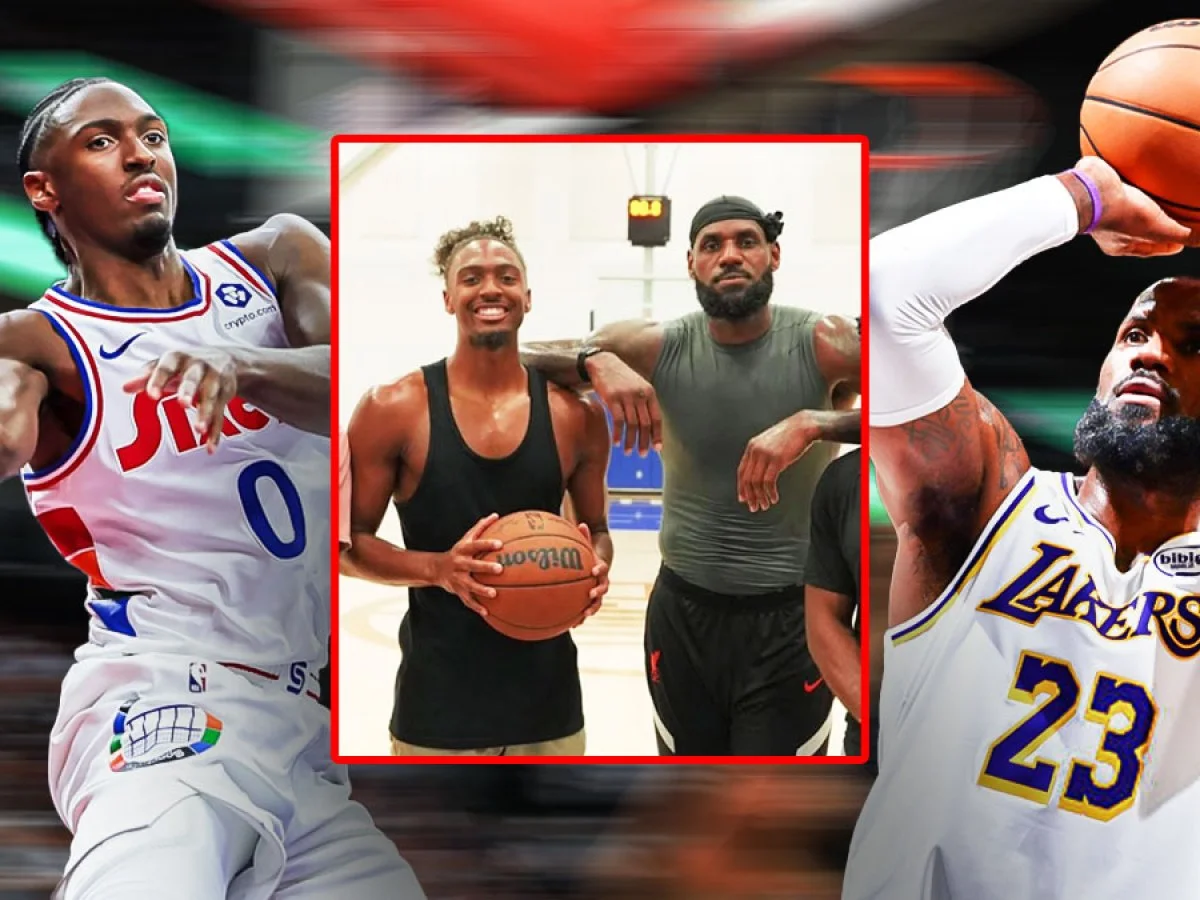

LeBron James has competed alongside numerous teammates over his 22-year NBA career spanning three cities. Known for playing with various lineups and Hall of Fame talent, his “LeBron James greatest teammate choice” surprises some fans and analysts. Despite sharing championship moments with star players like Kyrie Irving and Dwyane Wade, James has identified a less obvious teammate as his top collaborator.
Some critics minimize LeBron’s legacy by citing the extensive star power he’s played with, implying this diminishes his four championships. However, others argue that James’ ability to win titles in multiple cities with different supporting casts highlights his durability and adaptability in the league. His career decisions to move teams have often been rewarded with ultimate success.
Unconventional Selection Over Superstar Teammates
In December 2015, during his second stint with the Cleveland Cavaliers, LeBron was asked who stood out as his greatest teammate. Surprisingly, neither Kyrie Irving nor Dwyane Wade—two of the biggest names he played alongside—were chosen.
Kyrie Irving, then his teammate, had just helped James secure a historic 2016 championship, famously hitting the decisive Game 7 shot against the Golden State Warriors. Their partnership brought Cleveland its first NBA title since 1964, yet Irving requested a trade less than two years later, ending their collaboration.
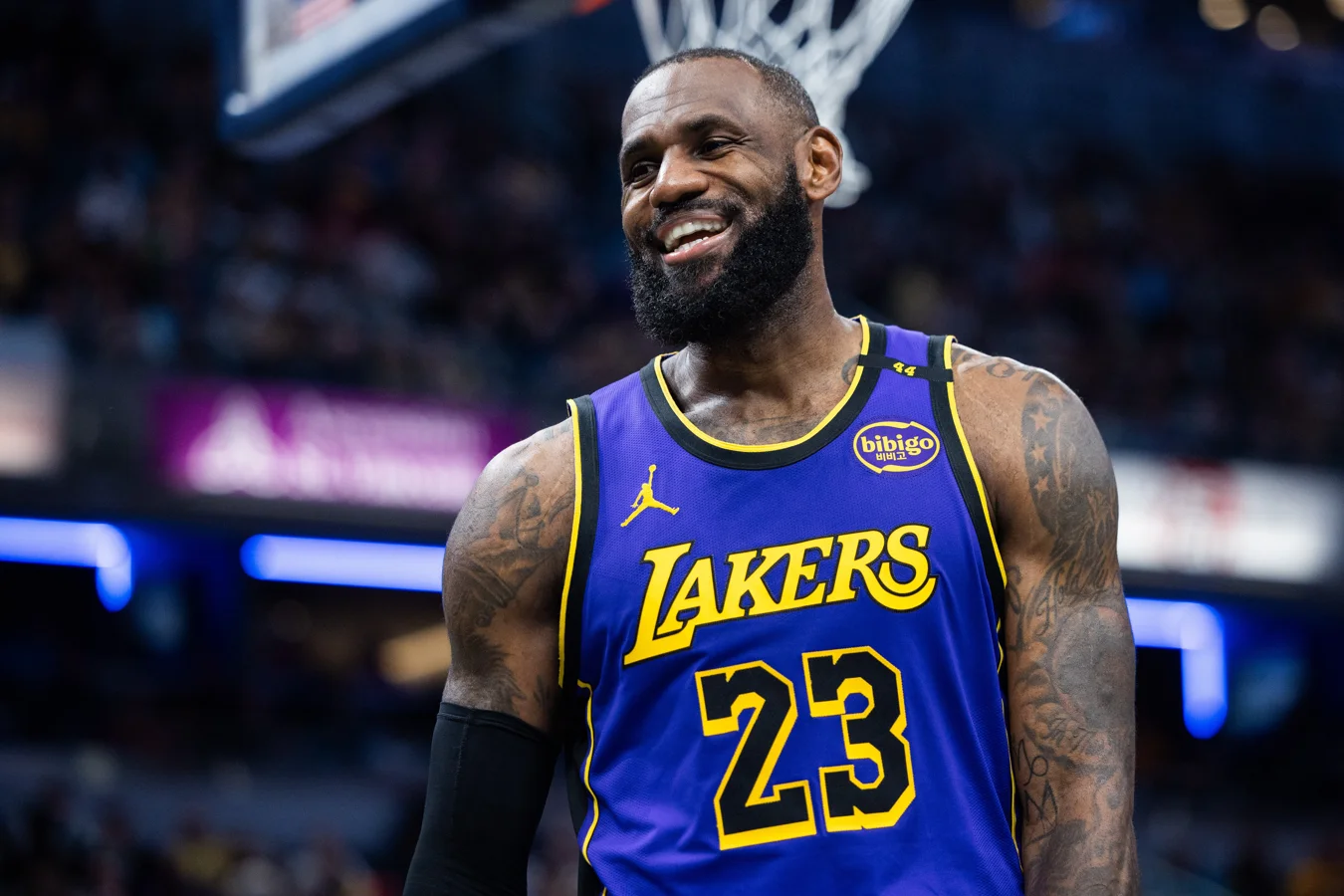
Wade, on the other hand, was a longtime close friend and a key figure during their Miami Heat years. The two won two championships together, with Wade serving as a mentor and elder brother figure to James. The pair, along with Chris Paul and Carmelo Anthony, were all part of the famed “Banana Boat” group. Despite Wade’s clear importance on and off the court, James did not name him as his greatest teammate.
Instead, LeBron credited James Jones, a veteran role player who had been by his side since 2010 through seven consecutive NBA Finals runs with Miami and Cleveland. Reflecting on Jones’ impact, James stated,
“He’s my favorite player of all time. I told J.J., as long as I’m playing, he’s going to be around. He’s not allowed to stop playing basketball. So, I’m going to make sure I got a roster spot for him. I love him. He’s the greatest teammate I’ve ever had.”
—LeBron James, NBA Superstar
James Jones: The Steadfast Veteran and Locker Room Leader
James Jones’ career statistics may not command headlines, with a 5.2 points per game average and a modest 3.7 points in the playoffs, but his value went far beyond numbers. He was a constant presence on high-achieving teams and never experienced a losing season. Jones contributed to five squads with 60 or more wins, consistently embodying the spirit of a winner.
His role extended into leadership and mentorship, serving as a stabilizing voice in the locker rooms of teams that reached seven straight NBA Finals from 2010 through 2017. LeBron recognized Jones’ wisdom and support for younger players, crediting him for his invaluable presence both on the bench and in guiding team cohesion.
As a mentor, Jones remained crucial even as his playing abilities declined in later years, demonstrating how leadership off the court can be as important as performance during games. This dynamic helped foster a team atmosphere that propelled James and his teammates to continued championship contention.
Choosing Jones over Wade for his greatest teammate underscores how LeBron values consistent leadership and support in his teams, rather than only on-court superstardom. It highlights the importance of players who contribute quietly but meaningfully to a team’s lasting success.
The Broader Impact of LeBron’s Teammate Choice
LeBron James naming James Jones as his greatest teammate reshapes how we view team dynamics in professional basketball. It demonstrates that influence within a team extends beyond scoring and star power, recognizing the effect of experience, mentorship, and locker room leadership.
This choice also reflects James’ awareness of the nuances in building championship teams and the value of trust and reliability. It speaks to his respect for players who consistently support the team ethos and help maintain competitive excellence over many seasons.
As LeBron continues his career, their shared history offers a model for how veteran players can nurture winning cultures, ensuring that younger teammates develop into well-rounded champions. Jones’ role as an unsung hero serves as a reminder that great teams rely not only on their stars but on those who hold the group together behind the scenes.
Ultimately, the affirmation of James Jones as LeBron’s greatest teammate reveals the depth of LeBron James’ basketball journey and his appreciation for the often-overlooked contributors who help fuel greatness.