
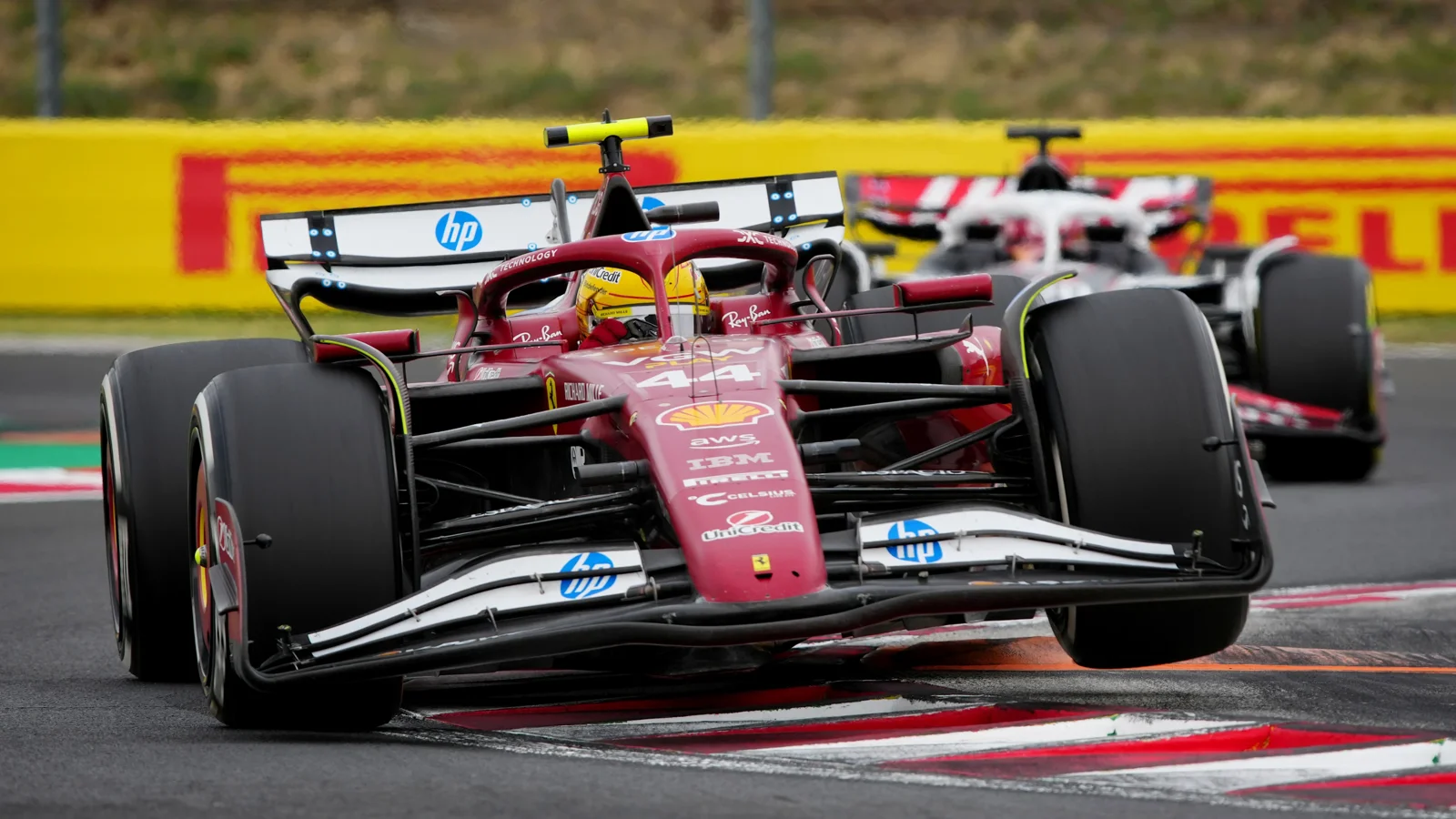

Lewis Hamilton, the most successful current Formula 1 driver, is pushing for significant changes to how contracts are handled within the sport. Speaking in 2025, Hamilton advocates reform not only to improve conditions for F1 drivers but also for its broader workforce, highlighting the need to better reflect the sport’s rapid growth and evolving social responsibilities.
After joining Scuderia Ferrari in 2025, Hamilton continues to channel his influence beyond racing by addressing issues surrounding contracts and work environments in Formula 1. Despite his high-profile move following a long tenure at Mercedes, he is more focused on driving systemic change than immediate race results.
Hamilton’s Vision for Change in Contract Terms and Industry Practices
In an interview at the Belgian Grand Prix weekend with Belgian outlet RTBF, Hamilton discussed his ambitions for Formula 1’s future. While the legacy of being remembered as one of the sport’s greatest drivers once mattered deeply to him, Hamilton now prioritizes concrete contributions that can improve the sport’s structure and culture.
He stated,
“What I focus on is what I can contribute concretely.”
—Lewis Hamilton, F1 Driver
One of the central issues Hamilton identified is the restrictive nature of current driver contracts. These agreements prohibit open communication between drivers and other teams, limiting mobility and bargaining power in an industry where financial growth has far outpaced salary increases.

“F1 has grown enormously, with revenues skyrocketing from £700 million to over £3 billion. This growth is not reflected in all employees’ salaries, which have not kept pace with the business.”
—Lewis Hamilton, F1 Driver
Addressing Diversity and Environmental Impact in Formula 1
Hamilton’s proposed reforms extend beyond contract fairness to include broader social and environmental responsibilities. He highlighted a persistent lack of diversity within the paddock and emphasized the need to open the sport to more varied participants and create equal opportunities.
“There is still a significant lack of diversity in the paddock,”
Hamilton said, stressing the importance of change in access and representation within Formula 1.
He also voiced concern about the sport’s ecological footprint, calling for sustainable practices such as recycling and reducing food waste during race weekends. Hamilton suggested working with food banks to redirect unused food instead of allowing it to go to waste, showing a commitment to ethical resource management.
“When we visit all these countries, we must avoid leaving a mess behind. There should be upcycling and a proper recycling system. Every weekend, food is wasted. Meanwhile, people are dying of hunger. We can work with food banks to redistribute it,”
he said.
Hamilton acknowledged that while progress may be gradual, continuous improvement is essential.
Using Influence to Foster Meaningful Progress in Motorsport
Hamilton recognizes his unique position to initiate reform, leveraging his ability to access influential figures and engage in challenging conversations on behalf of the sport’s future. He rejects the idea that his role should be limited to racing alone.
“I think that’s my role; I can get into the right rooms.”
—Lewis Hamilton, F1 Driver
He explained that some voices urge him to “Shut up and drive,” but he insists on combining his on-track performance with activism and dialogue at the highest levels.
“Sometimes people tell me, ‘Shut up and drive.’ But that’s not me. I drive, yes, but I also do more. I can meet with the Prime Minister of the United Kingdom or even a president if necessary. I can enter important rooms and have difficult conversations.”
—Lewis Hamilton, F1 Driver
“That’s just how I am, and that’s how I’ll continue to be.”
—Lewis Hamilton, F1 Driver
Implications for the Future of Formula 1 Contracts and Culture
Hamilton’s campaign for major contract reforms comes at a crucial time as Formula 1 expands its global reach and revenue. By advocating for fairer wages, greater diversity, and environmental responsibility, he aims to reshape the sport’s values and working conditions.
If successful, these efforts could lead to more transparent negotiations, improved conditions for all employees, and a more inclusive environment that better reflects modern social standards. Hamilton’s continued activism signals that his impact on Formula 1 may endure well beyond his racing career, potentially setting new precedents for how the sport operates on and off the track.