
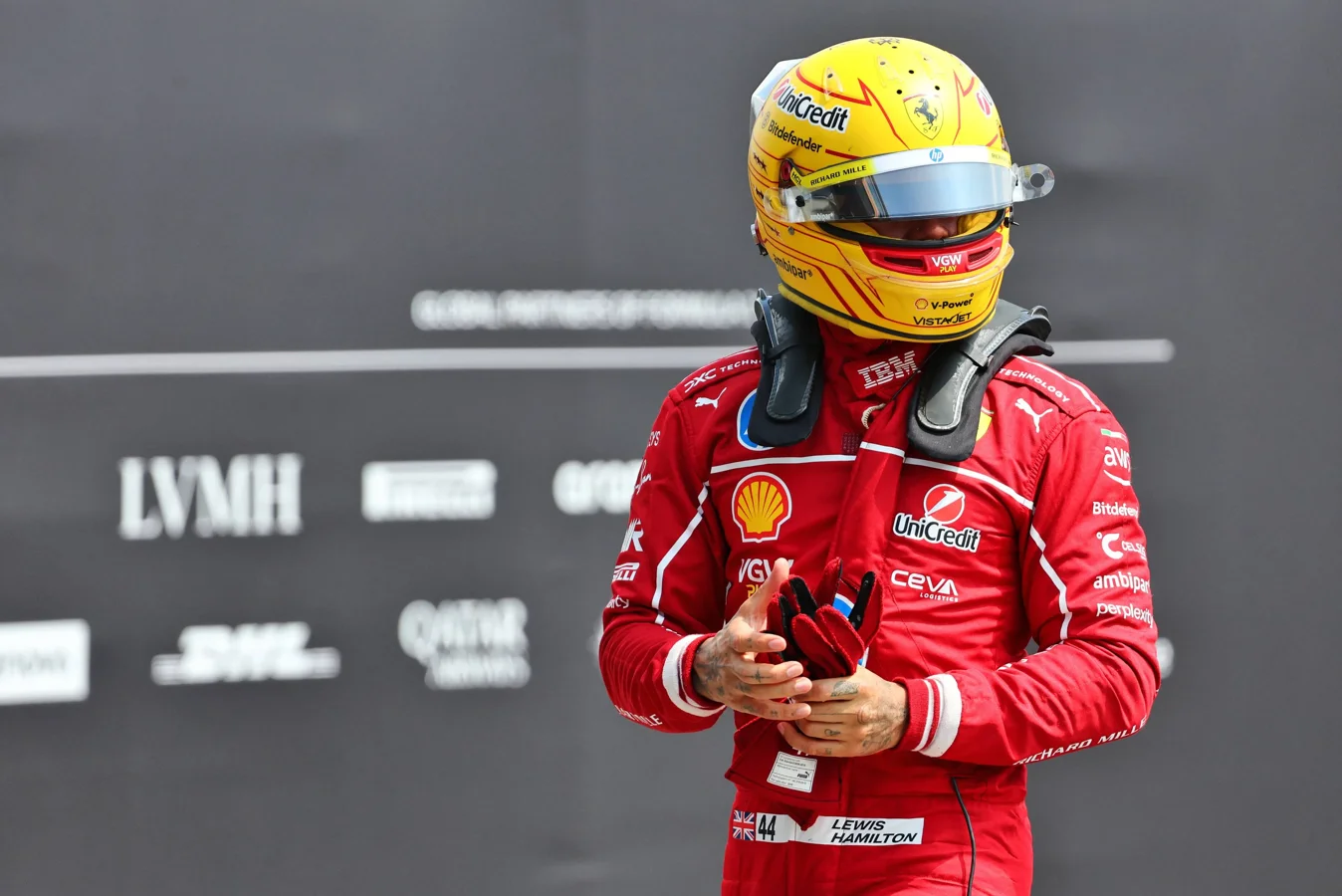

Lewis Hamilton has endured a frustrating start to his 2025 season with Ferrari, failing to secure a single podium finish in the first 14 races. The British driver’s struggles, particularly at the Hungarian Grand Prix, where his poor form persisted throughout qualifying and the race, left him visibly frustrated. While Hamilton openly criticized his own performance after Budapest, former Formula 1 driver Christian Danner suspects there might be more behind Hamilton’s dramatic self-reproach.
Hamilton’s Hungarian GP weekend was notably challenging, marked by uncompetitive pace and a visible loss of confidence. His candid admission about his poor performance raised eyebrows within the paddock. Christian Danner, reflecting on Hamilton’s unusually harsh self-criticism, suggested that the seven-time world champion’s public display might have been somewhat exaggerated to make a point.
A Former Driver Questions the Authenticity of Hamilton’s Self-Criticism
Christian Danner shared his perspective on Hamilton’s behavior during the Hungarian GP, remarking that the way Hamilton punished himself and appeared to forget the basics of driving seemed out of character. Danner implied that Hamilton’s severe self-chastisement did not entirely reflect his true feelings, suggesting it was an overstatement aimed at drawing attention to deeper issues.
A Lewis Hamilton who punishes himself so much, pretends to have forgotten how to drive… That almost looked a little exaggerated to me.
—Christian Danner, Former F1 Driver
Danner went further, speculating that Hamilton’s emotional display was a deliberate act meant to sensitize the public and the team to the ongoing problems at Ferrari. According to the German, Hamilton’s confidence likely remained intact behind the scenes, and his public doubts were more of a strategic move than genuine self-doubt.
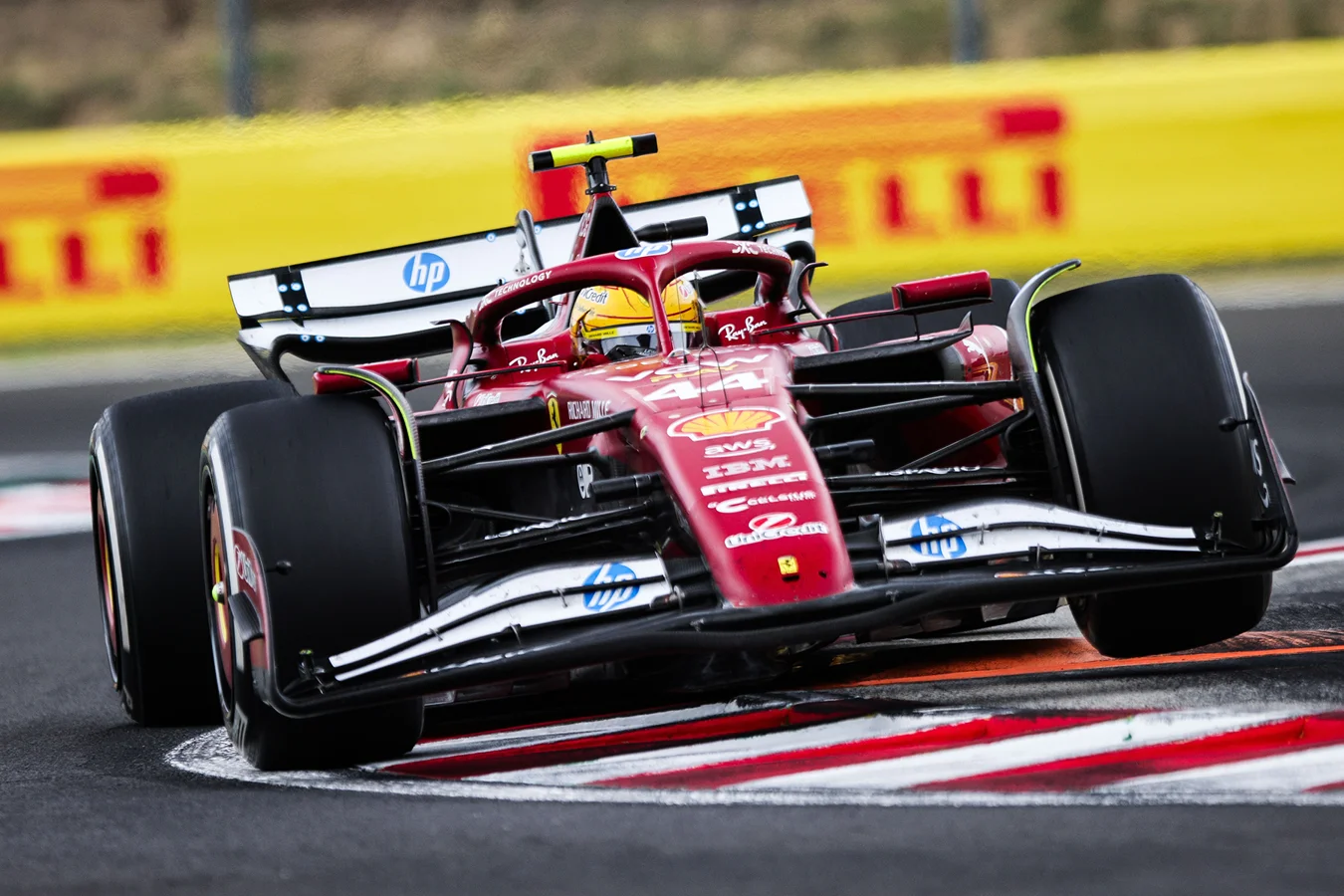
It was like staging a little more than it actually is to sensitise the world, which knows I’m not that bad. I’m pretty sure that was wanted by Hamilton and wasn’t honest. He didn’t honestly doubt himself. It can’t be, it doesn’t fit in with him.
—Christian Danner, Former F1 Driver
Hamilton’s Frustrations Seen as a Message to Ferrari Leadership
Ferrari’s ongoing performance issues have left both the team and Hamilton in a difficult position, with the Italian outfit struggling to return to winning form. Hamilton, who has rarely spoken so negatively about his own capabilities, appears increasingly discontented. Christian Danner believes that Hamilton’s actions at the Hungarian GP may have been intended as a subtle warning directed at Ferrari’s management, conveying his awareness of internal problems and dissatisfaction with the current state.
Danner explained that Hamilton was making it clear to Ferrari that he recognized the root of their difficulties, including issues that the team might have preferred to keep hidden. Hamilton’s frustration was not merely about his own results but reflected a broader concern about morale and prospects within the Scuderia.
To show those at Ferrari: if you think I don’t know what’s going on, then you’ll be surprised. There is no good mood, no good atmosphere and no good prospects for the future.
—Christian Danner, Former F1 Driver
Ferrari’s Current Situation and the Challenge Ahead
Despite their current slump, Ferrari remains the runner-up in the constructors’ championship, trailing behind the championship leaders, McLaren. The team faces a significant uphill battle to close the gap in performance and regain its competitiveness. Meanwhile, Hamilton requires the best possible car and support from Maranello to maximize his chances of success this season.
The combination of Hamilton’s visible frustration and Danner’s interpretation of his actions highlight the increasing tension within Ferrari. Hamilton’s ongoing struggles at the Hungarian GP and through the season underscore the challenges the iconic team faces in delivering a winning package.
Implications of Hamilton’s Public Display of Discontent
Christian Danner’s theory that Lewis Hamilton is ‘staging’ his Ferrari struggles adds a layer of complexity to the narrative surrounding the seven-time world champion’s difficult season. If true, it suggests Hamilton is using his public platform not only to vent frustration but to pressure Ferrari into addressing problems more aggressively. This approach could signal an internal shake-up or motivate the team to improve rapidly.
As the 2025 season progresses, how Ferrari responds to this tension and whether Hamilton’s situation improves will be crucial. The team must balance internal morale, technical upgrades, and driver confidence to prevent further setbacks. Meanwhile, fans and critics alike will watch closely to see if Hamilton’s message spurs a turnaround or deepens the divide within the Scuderia.