
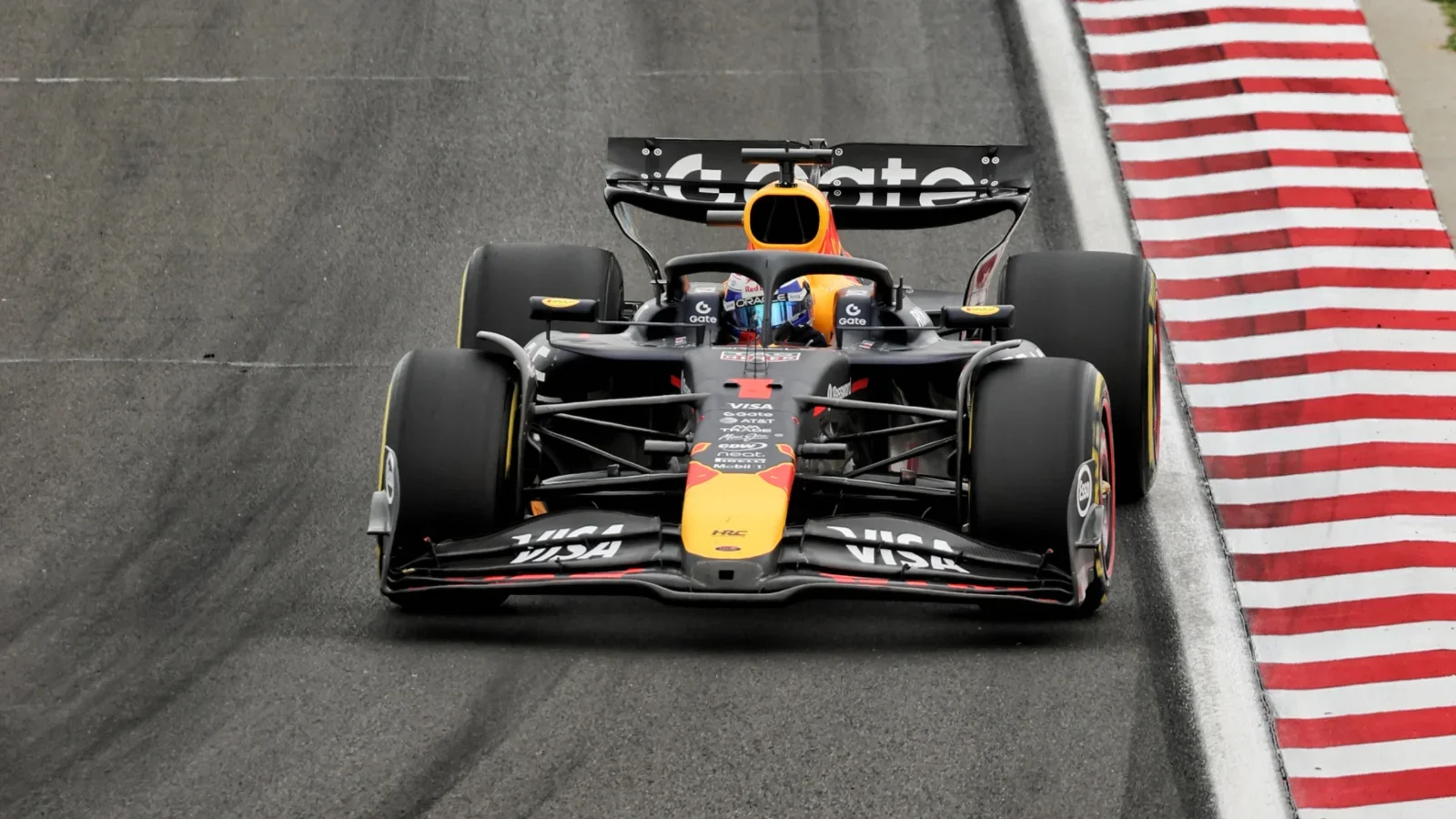

Red Bull Racing has faced intense scrutiny following lackluster results in recent Formula 1 races. During the last two Grand Prix weekends at Spa and Hungaroring, the team introduced a series of upgrades to their RB21 car, aiming to improve performance rather than simply addressing short-term issues. Red Bull’s Chief Engineer, Paul Monaghan, has firmly rejected claims that these changes were merely troubleshooting efforts, insisting they were part of a broader development strategy.
Details of Key Upgrades Introduced at Spa and Hungaroring
At the Belgian Grand Prix held in Spa, Red Bull unveiled five major updates, including a redesigned front wing, suspension adjustments, and a revamped sidepod. Additionally, the team introduced a new chord flap during the following race at Hungaroring. Despite these enhancements, Max Verstappen’s results were mixed—he won the Sprint race in Spa but finished only fourth in the main event. The Hungarian Grand Prix proved even more challenging, with Verstappen dropping from seventh on the grid to ninth by the finish, openly acknowledging the ongoing limitations faced by the team.
Engineering Perspective on the Upgrades’ Purpose and Approach
When asked about the nature of these upgrades, Monaghan elaborated on the engineering process behind them. He described the front wing modifications as part of a continuous development cycle rather than a quick fix.
That’s where you look on the car. So the front wing is an ongoing development process,
Monaghan explained.
You finish one but the CFD research and the wind tunnel research doesn’t necessarily stop. If the gains you make in those environments yield sufficient improvement, we can trigger a new front wing, which we had the time and money to pursue.
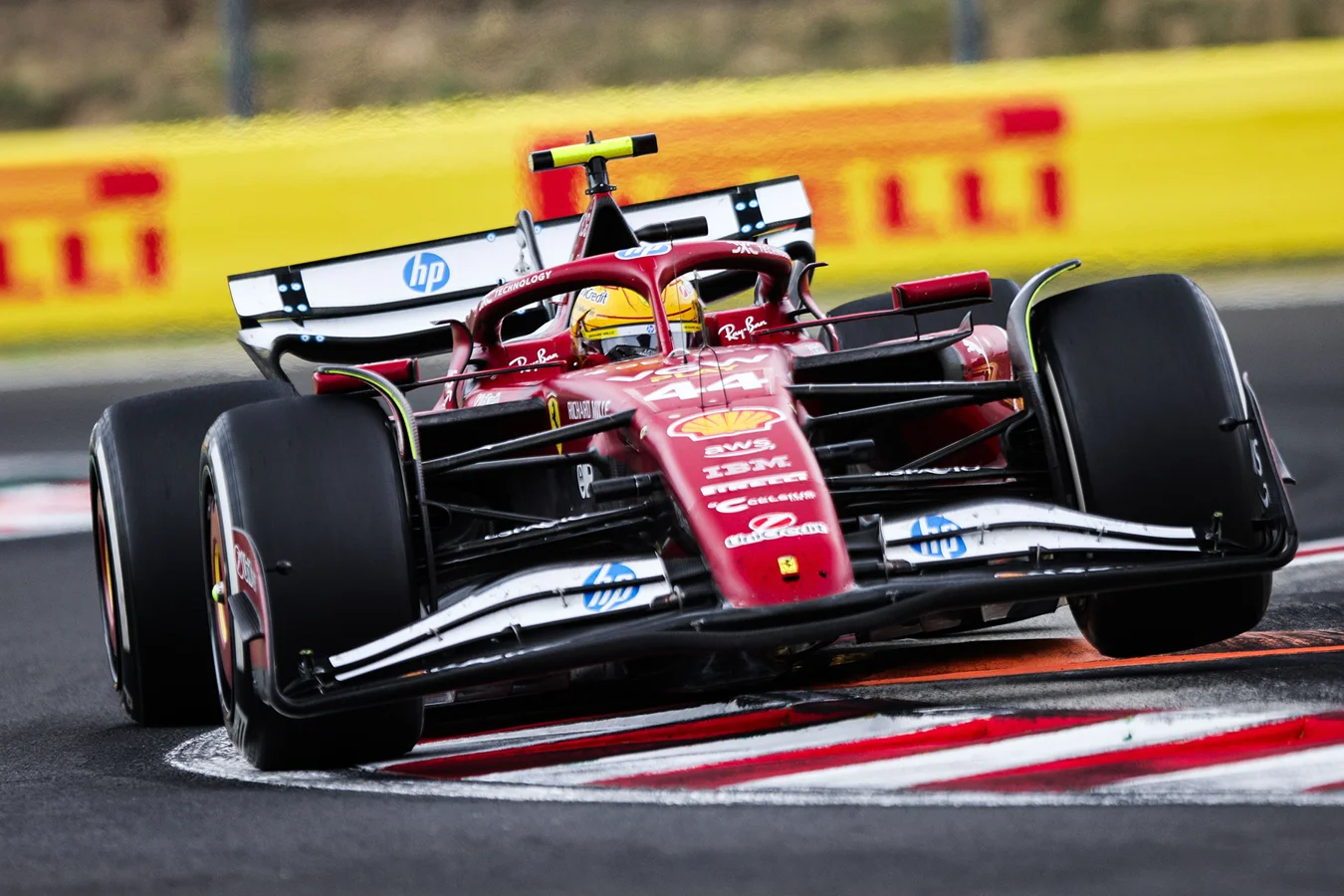
He also addressed the sidepod changes introduced at Spa, emphasizing that they were intended to provide an overall performance boost rather than serve as an immediate problem-solving measure.
The sidepod change is more… we can draw an overall performance benefit by doing what we’ve done with the sidepod,
Monaghan said, noting the strategic timing that allowed these improvements to be implemented thoughtfully.
Rejecting the Troubleshooting Label: A Broader View on Red Bull’s Development
Monaghan’s comments aim to challenge the oversimplified notion that Red Bull’s recent upgrades are mere troubleshooting. He argued that such a description misses the complexity and long-term focus behind the modifications.
It’s perhaps a bit crude to say that it is troubleshooting,
he asserted.
We’ve done it because it’s for the overall benefit to the car and our lap time. So they’re all kind of going in that direction rather than being pure troubleshooting.
Looking Ahead: What Red Bull’s Upgrades Mean for Their Championship Quest
With Red Bull Racing under pressure, these recent upgrades represent a crucial step in addressing the car’s weaknesses while pushing performance forward. Although initial results have been inconsistent, the team‘s engineering leadership insists that these efforts are part of a sustained commitment to improvement. As the season progresses, Red Bull’s ability to translate these developments into consistent race success will be pivotal in maintaining their championship hopes. Fans and experts alike remain keenly observant, awaiting clarity on whether this marks the beginning of a true resurgence for Red Bull in Formula 1.