
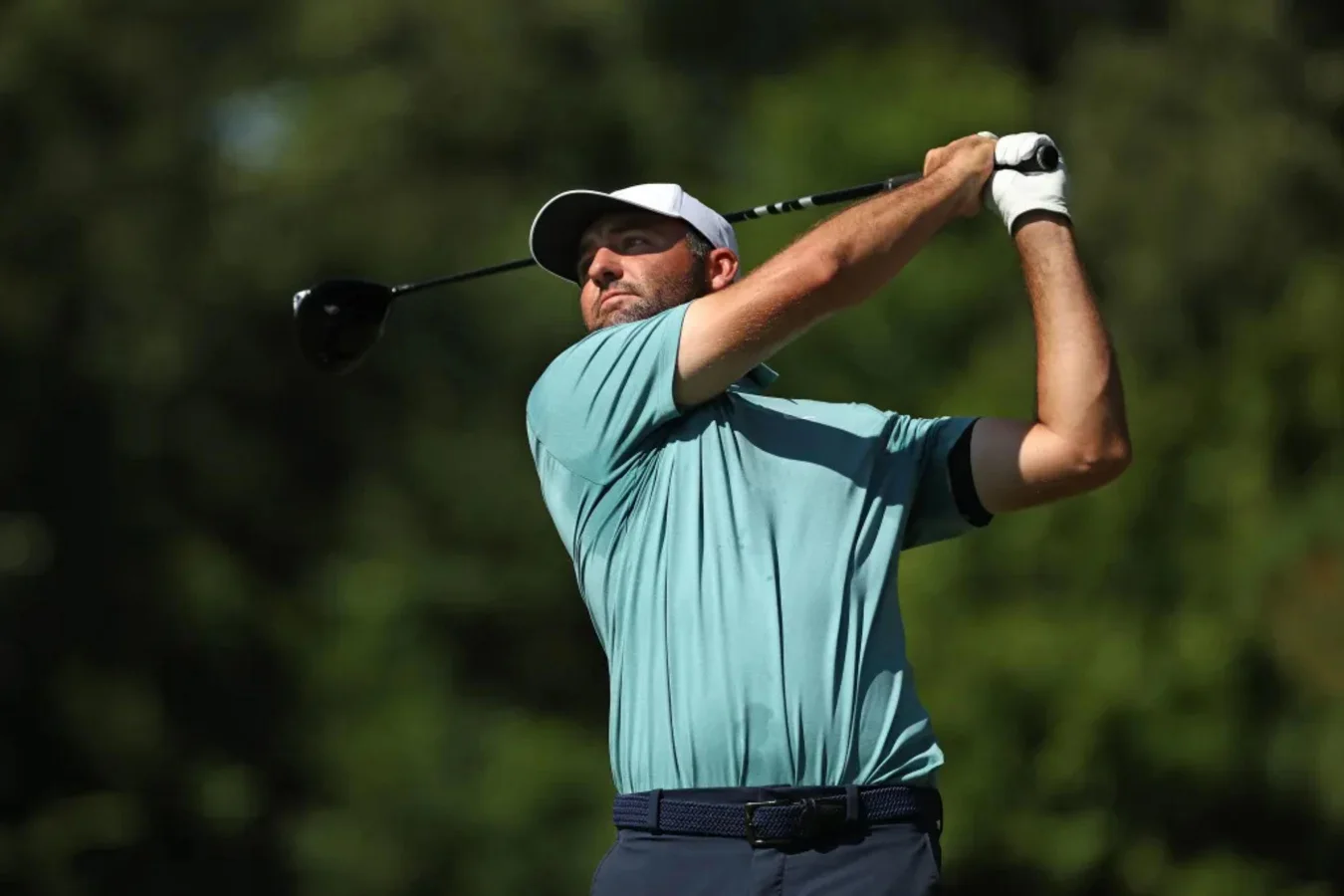

World number one Scottie Scheffler shocked fans and critics with a dramatic outburst at the FedEx St. Jude Championship, held recently at TPC Southwind in Memphis. The incident, which took place during a crucial moment of the tournament, has fueled widespread debate about the PGA Tour’s cultural environment and disciplining of players in the face of emotional breakdowns. Scheffler’s explosive outburst Memphis moment occurred as frustration boiled over during intense competition and summer heat.
Pressure Mounts as Scheffler Struggles During Key Shot
Following an impressive season marked by four tournament wins including two major championships, Scheffler entered the event trailing competitive rival Tommy Fleetwood by just one stroke. However, his composure snapped on the 10th hole while trying to escape a bunker. A wedge shot that overshot the target and rolled far beyond the hole triggered Scheffler’s frustration. Unable to contain his anger, he aggressively struck the sand multiple times with his club—a reaction that echoed previous emotional episodes during the season.
Fan Reactions Highlight Growing Discontent With Scheffler’s Behavior
Social media quickly exploded with responses criticizing Scheffler’s conduct, with many fans labeling him as immature and unprofessional. One blunt observation summed up the public’s sentiment:
Scottie is a petulant child when things don’t go his way. Please stop acting surprised at this.
—fan This was not Scheffler’s first public meltdown; his infamous display at the 2025 U.S. Open, where he furiously dug at the fairway following a poor shot, remains a vivid memory for many golf followers.
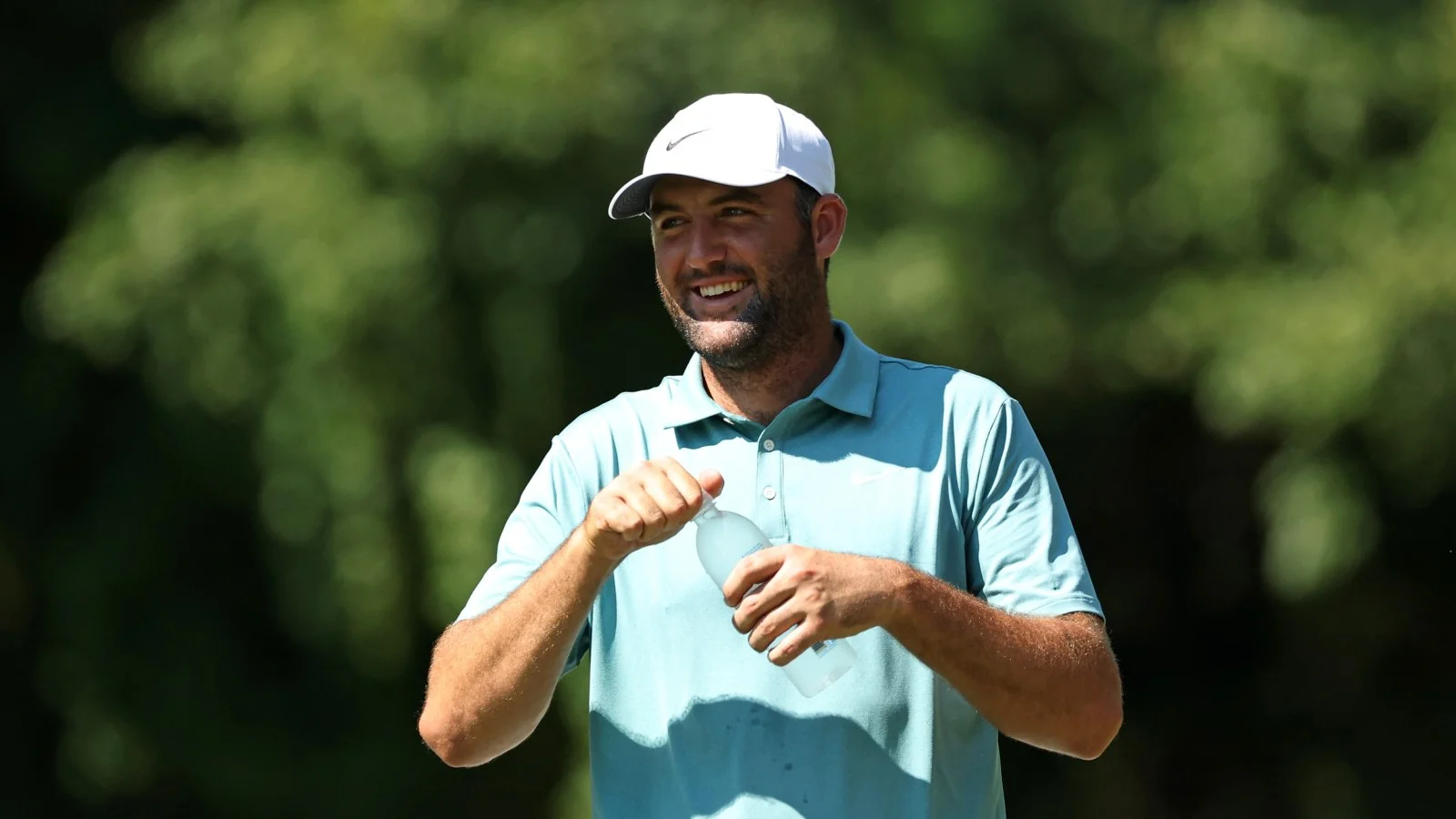
Despite some finding humor in his meltdown, as another fan commented,
Frustrated Scottie is so funny. Poor champ,
—viewer the incident raises serious questions about the standards of sportsmanship expected from golf’s elite players. Fans and critics alike stress that professional golfers must demonstrate not only exceptional skill but also composure and respect under pressure, qualities Scheffler’s recent incident appeared to lack.
Broader Concerns Over PGA Tour’s Handling of Player Conduct
Scheffler’s outburst has sparked a broader conversation on the cultural challenges facing the PGA Tour. Many observers criticize the tour for its perceived leniency towards players’ emotional outbursts. A concerned fan noted,
If the tour is going to continue to ignore this stuff, maybe they can offer anger management classes for most of these guys; a little professionalism isn’t asking much. Golf is supposed to be a game of etiquette.
—viewer This points to growing frustration with a professional environment where decorum and respect have traditionally been paramount but now seem increasingly compromised.
Additionally, Scheffler’s behavior fits into a troubling trend seen in other top golfers like Tyrrell Hatton, Jon Rahm, and Sergio Garcia, who have also been known to display explosive emotions on the course. One fan lamented the similarities, stating,
Scottie pulled a Hatton? A Rahm? A Garcia? Oh, the humanity!
—user This indicates that the issue is not isolated to one player but reflects a systemic problem within the PGA Tour’s culture of tolerance toward emotional outbursts from its stars.
Implications for Scheffler’s Reputation and the Future of Golf Culture
The backlash against Scottie Scheffler’s outburst in Memphis threatens to undermine his image as a top-tier athlete and role model for aspiring golfers. His inability to manage frustration publicly casts doubt on his maturity and professionalism, which are crucial qualities for athletes competing at the highest level. Beyond individual reputations, these incidents underscore a broader crisis in golf culture, challenging the PGA Tour to reconsider how players’ behavior is regulated and the values promoted throughout the sport.
As scrutiny intensifies, the PGA Tour faces increasing pressure to establish clearer standards of conduct and accountability, potentially including anger management initiatives or stricter penalties for emotional misconduct. How the tour responds may significantly influence the sport’s reputation and the behavior of its leading figures going forward.