
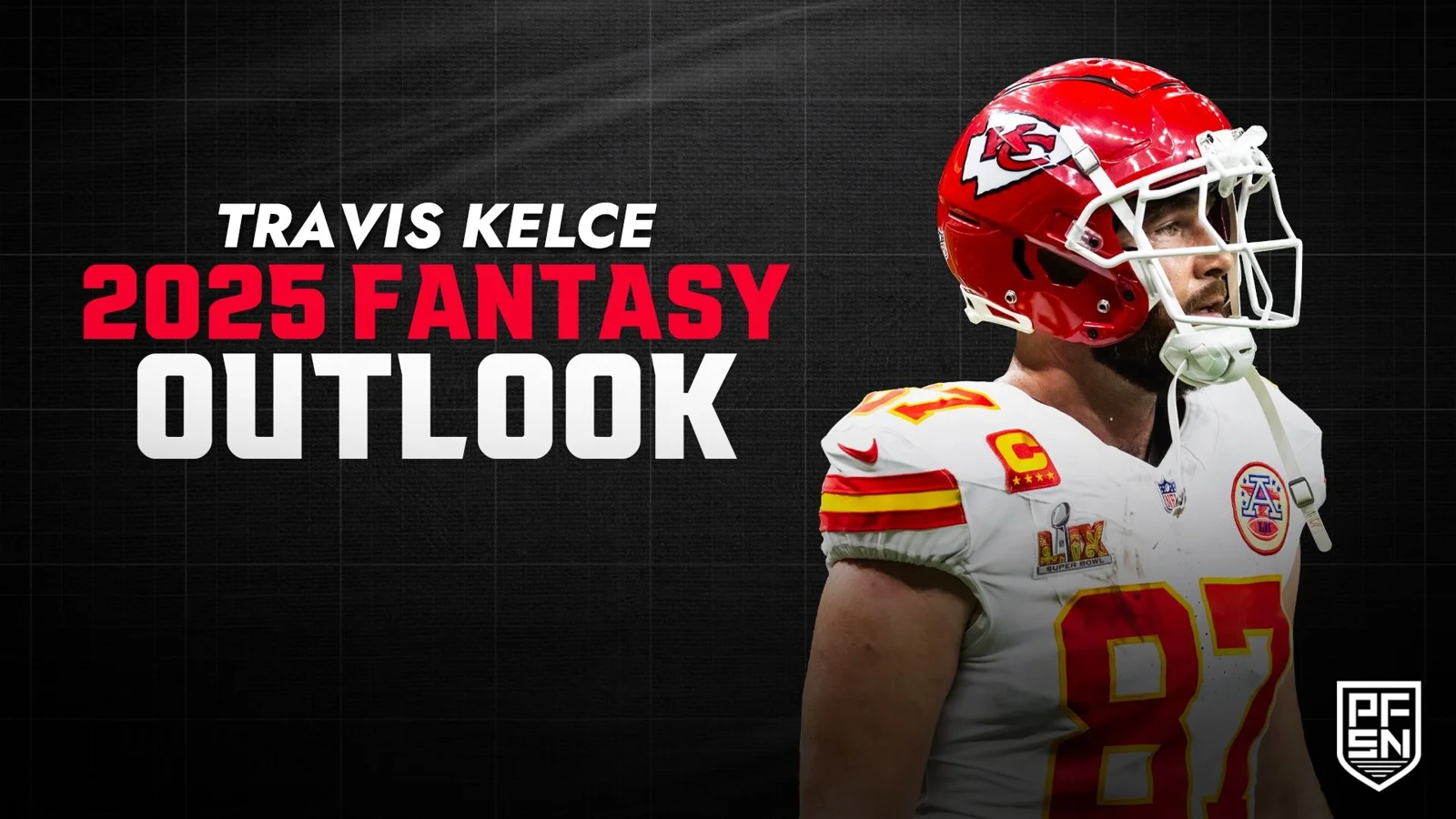

Travis Kelce’s fantasy football value is noticeably dropping among some of the most savvy fantasy managers, signaling a shift in how he is viewed during drafts. Although many mainstream analysts still rank the Kansas City Chiefs tight end as a top-tier option, data from the PFSN Fantasy Football Mock Draft Simulator shows that users are selecting him two to three rounds later than the industry average. This means Kelce is often being picked in the late eighth round instead of the usual fifth or sixth round.
Performance Metrics Highlight Yards-After-Catch Decline
Deeper analysis uncovers why fantasy players are cautious about Kelce’s ongoing production. His yards after catch (YAC), an important indicator of his playmaking ability, have fallen sharply from 6.2 yards per reception in 2021 to just 3.8 last season. Given his career average is 5.7 YAC, this drop stands out as a warning sign, suggesting his explosiveness and ability to gain extra yards after the catch are diminishing faster than typical for players his age.
Adding to this concern is the ways Kansas City targets Kelce. Last season, 67% of his receptions came short of the first down marker, a marked increase that suggests the Chiefs are adjusting to his reduced capacity to separate from defenders and generate big gains after the catch. This shift in usage represents a tactical recognition of his declining effectiveness in deeper or more open-field routes.
Impact of Offensive Changes on Kelce’s Role
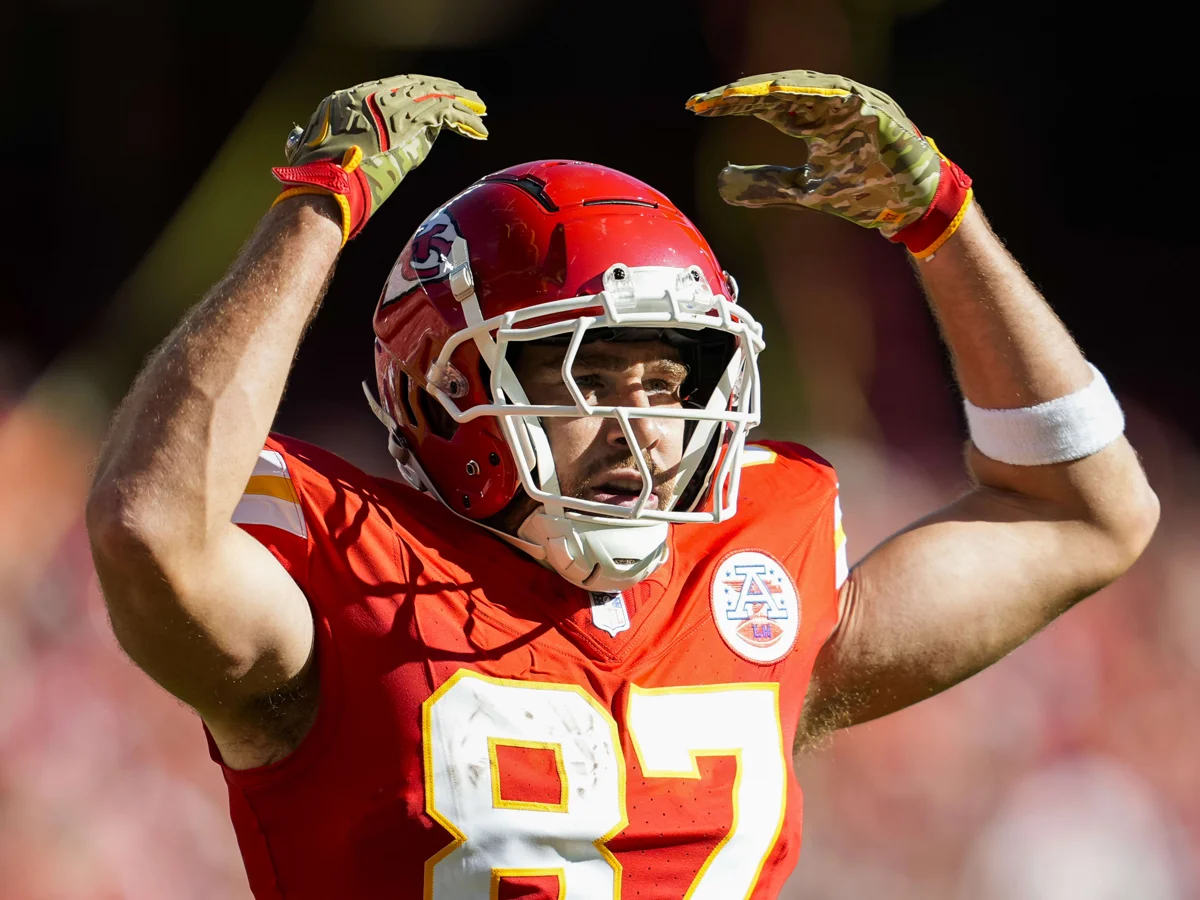
The evolving Chiefs offense further complicates Kelce’s fantasy outlook. Rashee Rice’s ongoing legal matters remain unsettled, though he remains physically able to handle the short-yardage targets that Kelce has recently specialized in. Meanwhile, rookie Xavier Worthy has shown promising performance in quick passing situations, which could encroach on Kelce’s share of catches in that area of the field. The combination of these changes suggests a redistribution of opportunities that may reduce Kelce’s overall fantasy output.
Strategic Reasoning Behind PFSN Users’ Cautious Approach
Fantasy managers relying heavily on Kelce’s reputation and historic success risk unmet expectations. Approaching 36 years old, Kelce is experiencing measurable declines in key fantasy production metrics. Although he remains an integral part of Kansas City’s offensive plans and holds value in critical game moments, converting that into consistent fantasy points is proving more difficult.
This contrast between expert consensus and the behavior of PFSN users illustrates a growing trend where experienced fantasy players are more willing to devalue aging stars despite their fame. This strategy has repeatedly paid off when well-known veterans have failed to meet lofty draft-day projections in prior seasons.
While PFSN users are not dismissing Kelce entirely, they are acknowledging that his peak years as a fantasy powerhouse might be behind him. By selecting him later in drafts, they aim to minimize the risk of disappointment associated with relying too heavily on past achievements.
Broader Lessons for Fantasy Football Decision-Making
This situation offers a valuable perspective for fantasy football participants: recognizing when a player’s prime has passed can be a critical advantage, even if popular opinion has yet to shift. Adjusting draft strategies in response to underlying performance trends rather than name recognition alone may help managers build more resilient and balanced rosters.