
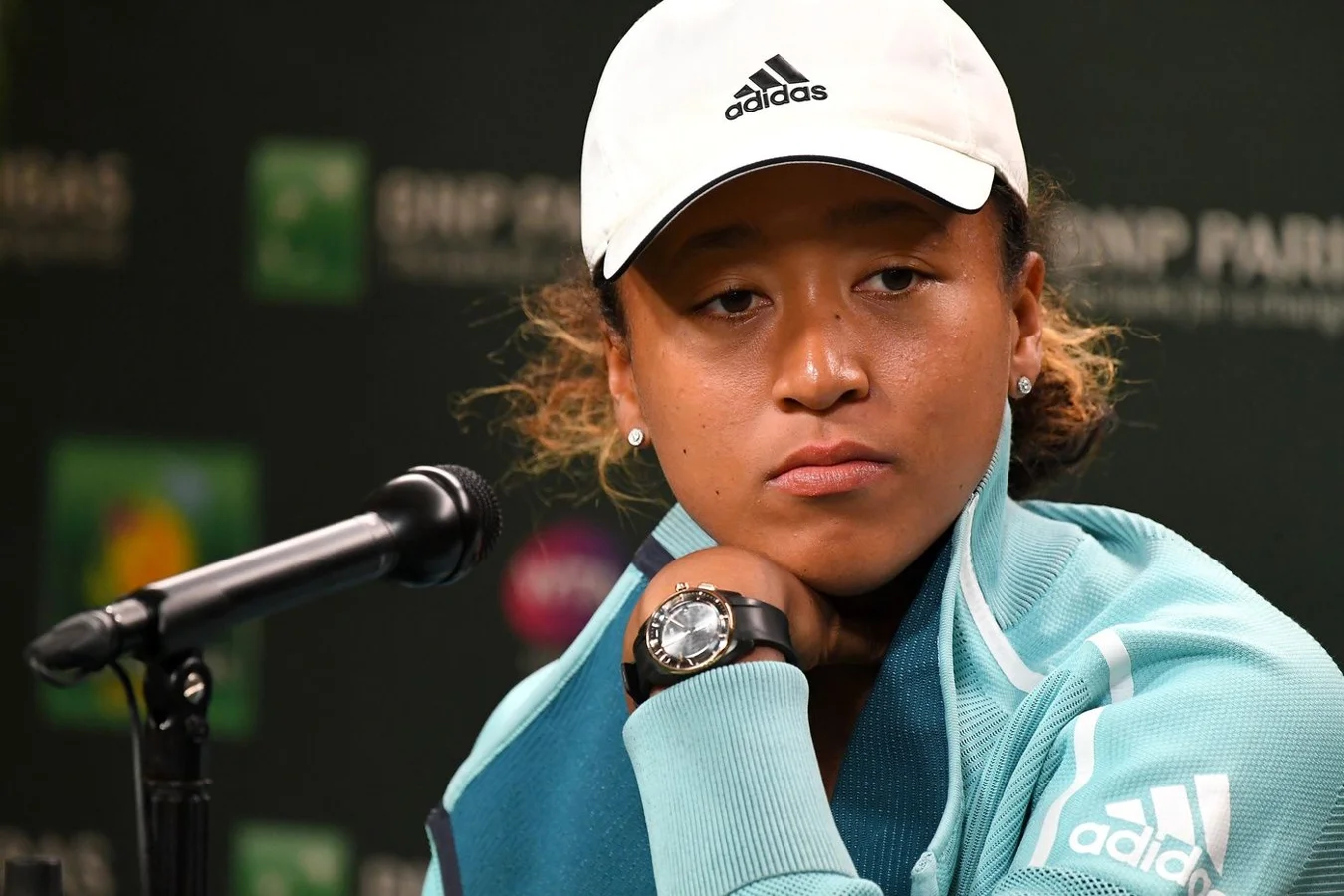

Andy Roddick stepped forward to defend Naomi Osaka after the Japanese tennis star was criticized for delivering a short 30-second speech following her loss to Victoria Mboko in the Canadian Open final. The match took place during the recent North American hard court season, where Osaka’s brief remarks, especially her omission to congratulate Mboko publicly, sparked backlash from fans and commentators.
Osaka, clearly emotional after the defeat, kept her speech limited to acknowledging the tournament organizers, her team, and volunteers. This outcome triggered considerable discussion online, with some suggesting that she diminished Mboko’s achievement by not offering the customary on-court praise. Roddick, a 2003 US Open champion and former World No. 1, shared a different perspective, highlighting the pressures players face in post-match speeches.
Context of Naomi Osaka’s Canadian Open Performance and Emotional State
Naomi Osaka has been seeking another major title since her 2021 Australian Open victory, eager to strengthen her position during the North American swing of the tennis calendar. Despite capturing a WTA 125 title earlier this year, the Canadian Open presented a significant opportunity for her to claim a larger crown. However, she was ultimately defeated by rising Canadian star Victoria Mboko, whose unexpected win marked a breakthrough moment.
The disappointment clearly affected Osaka deeply, leading her to minimize her post-match remarks and swiftly seek support from the WTA’s mental health professionals available at the event. This swift transition underlined her struggle to process the loss publicly, which is unusual compared to standard post-final ceremonies where players often offer gracious congratulations to their opponents.

Explaining the Post-Match Speech Controversy and Andy Roddick’s Perspective
While many viewers expected Osaka to offer a more elaborate and heartfelt message, she chose brevity, which was interpreted by some as discourteous. In response, Andy Roddick addressed the unrealistic expectations placed on tennis players to perform publicly immediately after a tough defeat. Speaking on his podcast, he emphasized the unique demands of tennis compared to other sports:
“You could tell how much she wanted this. She didn’t really want to expand on the thought in the post-match speeches, which, you know, I see that people are like, ‘Oh, she should have said more.’ I don’t know. We’re the only sport that is forced to talk after we lose.”
“I would rather her be friendly with Victoria Mboko all the time than grandstand in front of a microphone. She doesn’t give a lot sometimes when she’s not ready to give a lot. And that’s fine. In no other sport you have to go talk immediately in front of everyone and have the expectation set be, ‘Oh I have to not only be courteous but I actually have to give everyone their flowers in an appropriate way.’ I don’t know,” he added.
Roddick’s comments highlighted the emotional toll and public scrutiny players endure, especially when they are still processing defeat and dealing with the immediate demands of media and fans.
Naomi Osaka’s Public Clarification and Apology Regarding Her Speech
Following the wave of social media criticism, Osaka addressed the situation on her Threads account, clarifying her mindset during the speech and apologizing to Victoria Mboko. She expressed respect for Mboko’s performance and explained why her remarks were brief, referencing a previous experience where a longer speech was complicated by controversy. Osaka wrote:
“Thanks, Montreal, it’s been a really great run. I also want to say sorry and congratulations to Victoria. You played a great match and have an amazing career ahead! I realize I didn’t congratulate you on the court. Honestly, I was in a daze and I was so focused on not having the same speech as IW 2018 finals or the Jenny/Jennifer situation that I tried to make my speech as short as possible. Thanks everyone for the week, see you in NY.”
This message indicated Osaka’s awareness of the impact of her words and her intention to avoid repeating past speech challenges while maintaining respect toward her opponent.
Osaka’s Ongoing Advocacy for Mental Health and Recent Tournament Decisions
Naomi Osaka has been an outspoken advocate for mental health since her public withdrawal from the 2021 French Open, where she cited struggles with anxiety and depression. By openly discussing her experience, she has encouraged others in sports to prioritize mental well-being. Her brief speech and swift move to consult WTA mental health experts at the Canadian Open reflect this personal commitment.
After the Canadian Open final, both Osaka and Mboko withdrew from the Cincinnati tournament to recover physically and prepare for the upcoming US Open, highlighting the demanding nature of the tennis calendar and their need to manage their health carefully as the Grand Slam approaches.