
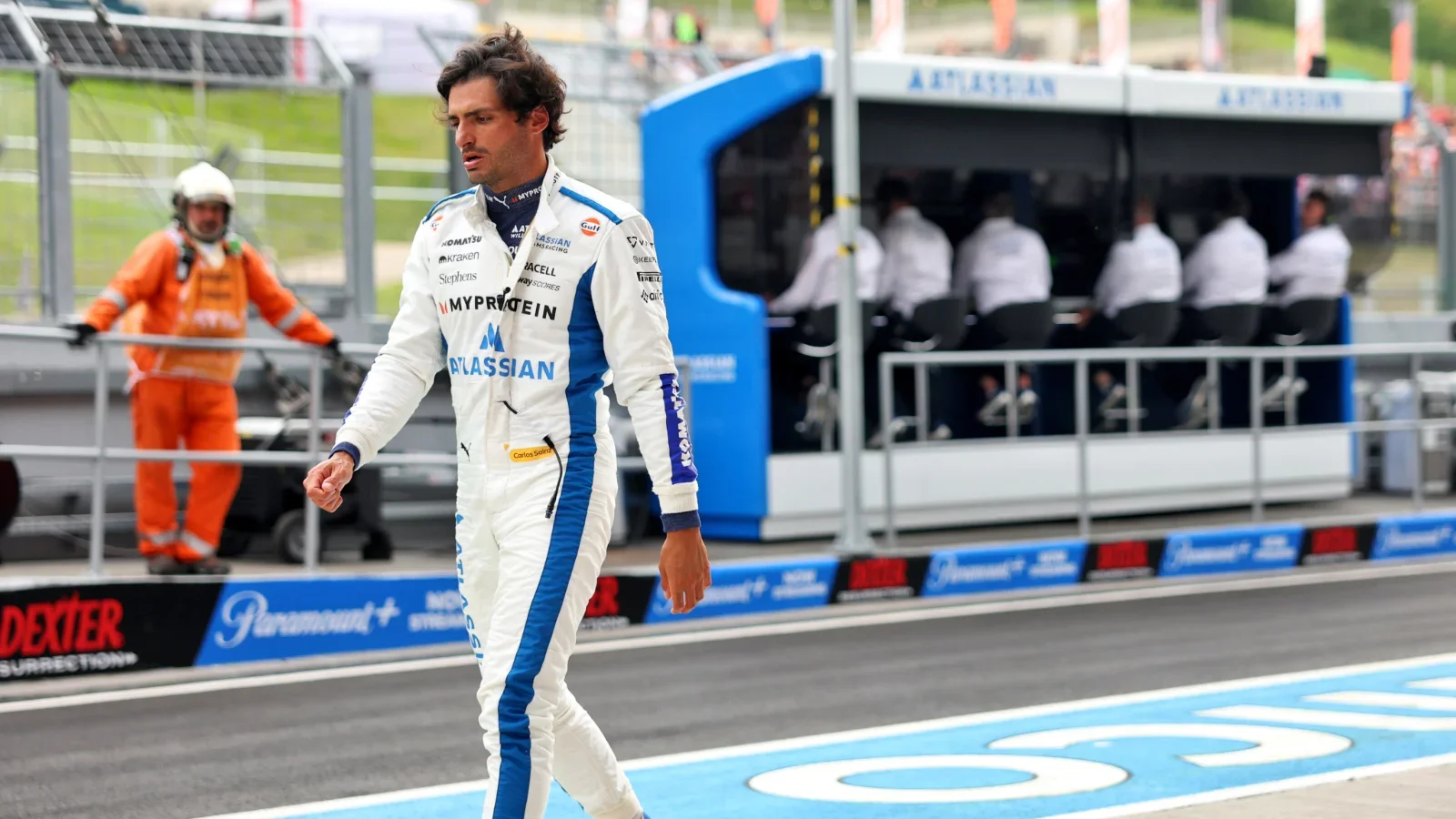

Carlos Sainz joined Williams ahead of the 2025 Formula 1 season after Ferrari signed Lewis Hamilton to take his place. Although Williams currently cannot match Ferrari’s pace, Sainz has expressed confidence in Team Principal James Vowles’ direction, which has resulted in a noticeable improvement in Williams’ performance this year.
James Vowles, who became Williams’ Team Principal before the 2023 season after leaving Mercedes where he was Motorsports Strategy Director, has played a central role in turning the team’s fortunes around. Under Dorilton Capital’s ownership, Williams has made significant progress since struggling for several years.
The team finished last in the 2022 championship, but jumped to seventh place in 2023 despite setbacks caused by an overweight car and limited spare parts availability, such as when Alex Albon damaged a chassis during the Australian Grand Prix. This year, Williams has continued its upward trend, sitting fifth in the standings with 70 points so far, marking the best points haul since 2017.
The pairing of Carlos Sainz and Alex Albon has been crucial in establishing Williams as the “best of the rest” behind the top teams. Vowles recently shared insights about the strategic changes that fueled this performance leap, highlighting improvements across car development and logistics.
How Williams Improved Its Car Development and Supply Chain
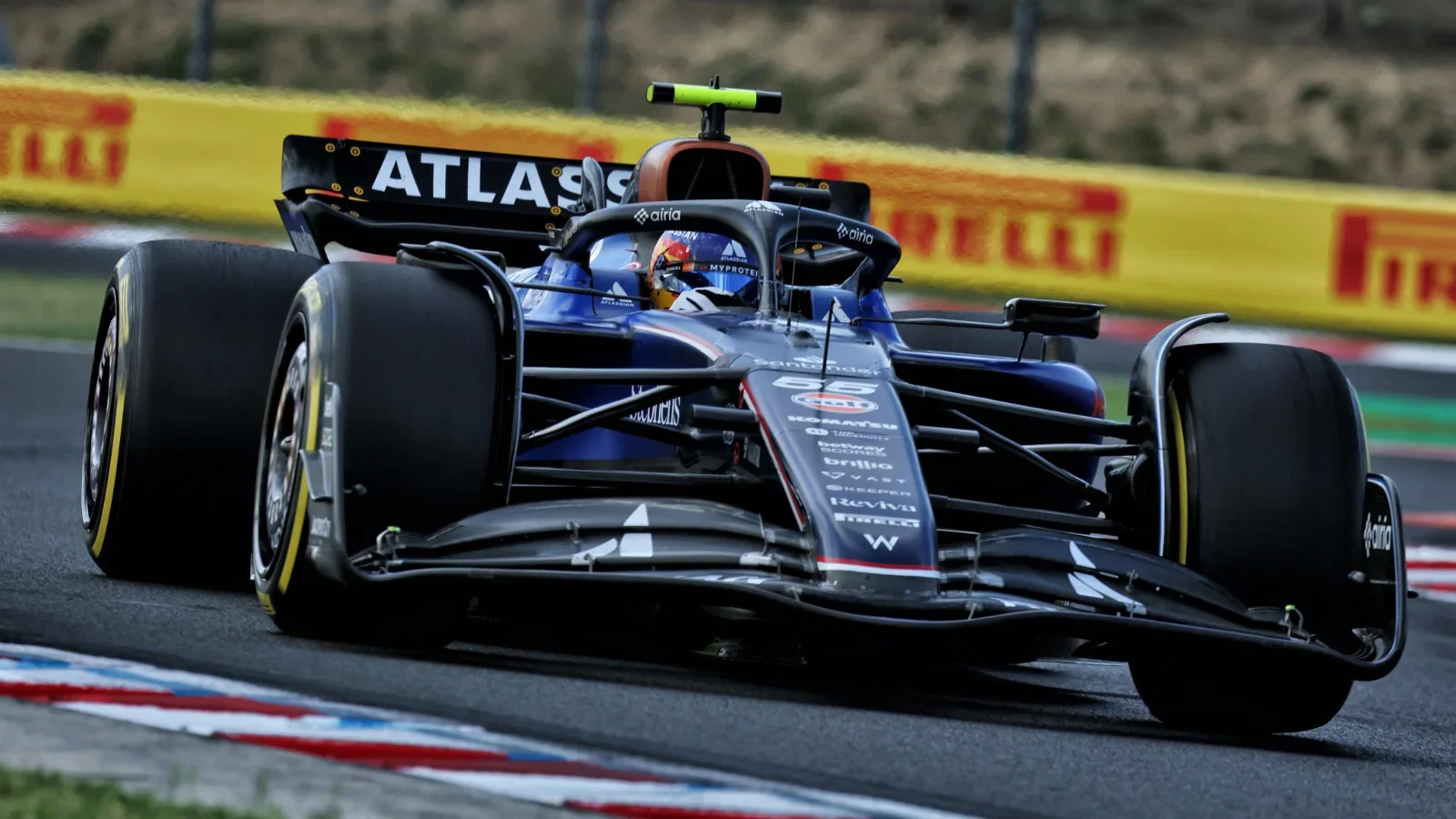
James Vowles explained that a major factor in Williams’ rise was refining the process from initial car concept to track deployment, emphasizing speed and cost efficiency. This approach enabled the team to deliver on schedule, maintain sufficient spare parts inventory, and introduce multiple car upgrades during the 2025 season.
“One of the biggest fixes we’ve been putting in place for the last 24 months is making sure we can deliver from what we call concept or cradle to grave, but from concept to track as quickly as possible at the right cost level. And that’s one of the biggest changes. And you can see that with this year’s car. The car was on time. We had plenty of spares around us. We can develop multiple updates across the year,”
Vowles said.
He added,
“We’ve done multiple front wings, multiple packages. That’s a change if you look back at Williams’ history; that’s been one of the key changes. So on the weight limit, right product at the right time.”
Vowles recently extended his contract with Williams, ensuring that he will continue leading the team, along with drivers Sainz and Albon, into the new era of Formula 1 cars planned for 2026.
Impact of Focusing on the 2026 Regulations and Mid-Season Challenges
Despite the strong start to 2025, Williams has faced challenges linked to their strategic prioritization of the 2026 car. New Formula 1 rules scheduled for 2026 promise a fundamental change to the sport, and Vowles has been clear that Williams intends to use the upcoming regulations as a chance for a larger performance leap.
After a difficult Hungarian Grand Prix, Carlos Sainz admitted that concentrating resources on future car development had caused the team to lag in upgrades for the current season.
“The problem is that I think we’ve fallen a little short on development. So, for the second half of the season, I’m probably just going to look for consistency with the setup, consistency with the car, and just making sure we run clean weekends,”
Sainz said.
That race saw Alex Albon finish 15th, a lap down on the leaders, while Sainz ended just one position ahead in 14th place.
What This Means for Williams’ Future Performance
Williams’ progression through 2023 and into 2025 shows a team rebuilding around a clear vision, led by James Vowles’ experience and Carlos Sainz’s driving talent. Although the current season’s development pause has slowed momentum, the foundation laid by improved engineering processes and strategic focus positions Williams well to capitalize on the rule changes next year.
The team’s ability to deliver multiple upgrades quickly and maintain operational efficiency signals a deeper organizational transformation. Maintaining consistent race finishes for the remainder of 2025 will help maintain their championship position while preparing for the anticipated 2026 surge.