
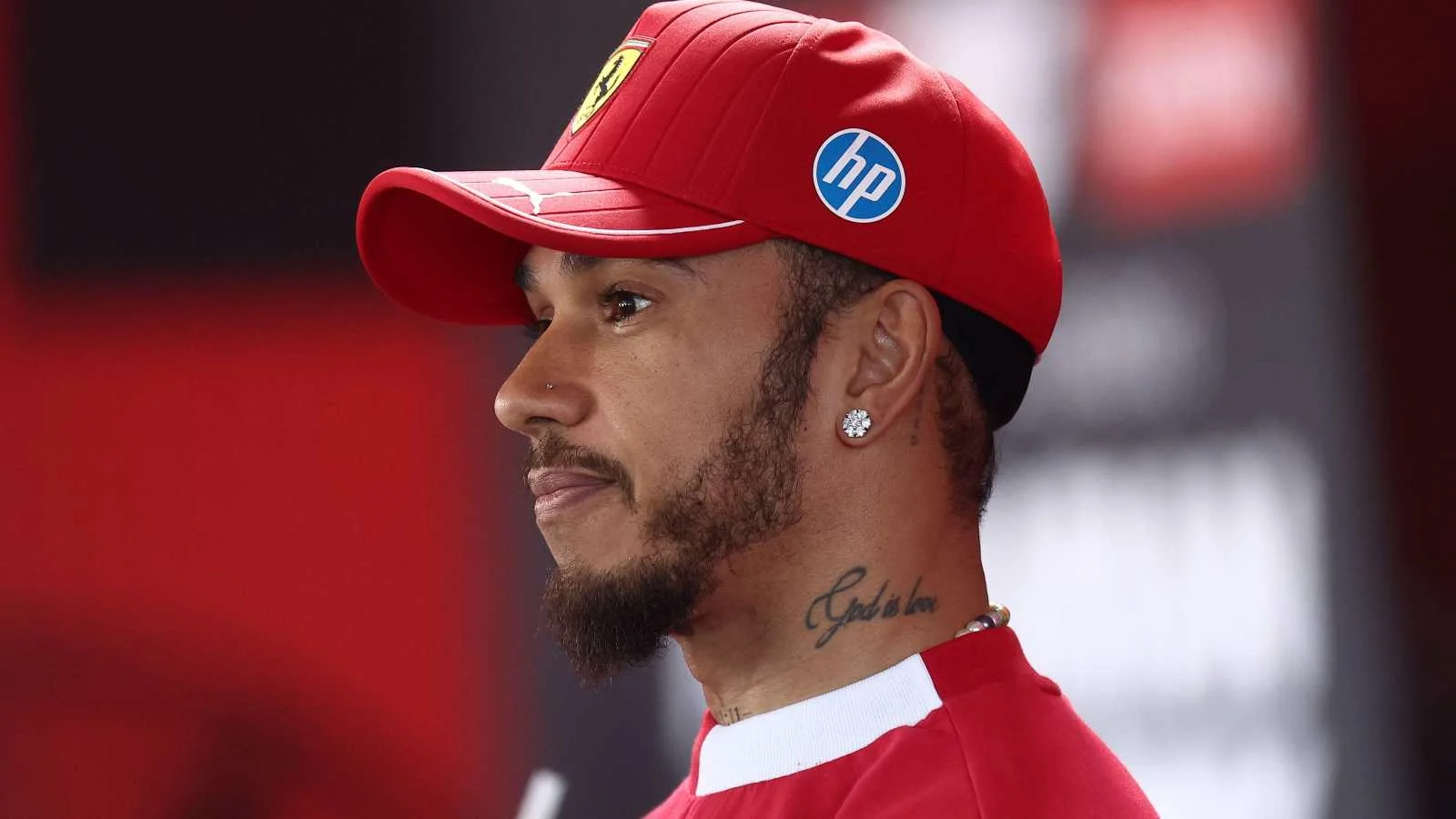

Formula 1, known for its global popularity, has seen a significant increase in its following in the United States, a market where it once took a break. The sport paused its presence in the US before the 2012 season, and during that period, Lewis Hamilton, then racing for McLaren, discussed the sport’s plans to reconnect with American fans. Hamilton emphasized that the key to reigniting enthusiasm for F1 lies in bringing the cars directly to spectators, allowing them to experience the excitement firsthand.
Hamilton shared his observations, saying,
“It’s really a matter of getting the car in front of people. Once you hear it and see it, feel the noise—then maybe they’ll turn out for a race. I don’t quite know how F1 will play in Oklahoma and places like that, but every time I’m in California, I swear more people recognize me—genuine fans.”
—Lewis Hamilton, Driver
Expressing his affection for the country, Hamilton also noted,
“I love it in the States. The roads are big, the food is big. If it was possible to be in L.A. and still live my racing life, I would move now.”
—Lewis Hamilton, Driver
The return of Formula 1 to American soil took place at the Circuit of the Americas (COTA) in Texas, after a long stint at Indianapolis. The Indianapolis Grand Prix will be remembered, especially for the 2005 event where only six cars competed due to tire safety concerns, marking one of the most unusual races in F1 history.
Currently, Formula 1’s expansion in the United States is notable, with three races slated for the 2025 season: the Miami Grand Prix, the Las Vegas Grand Prix, and the United States Grand Prix at COTA. This reflects the sport’s increasing footprint and solidifying fan base across the country.
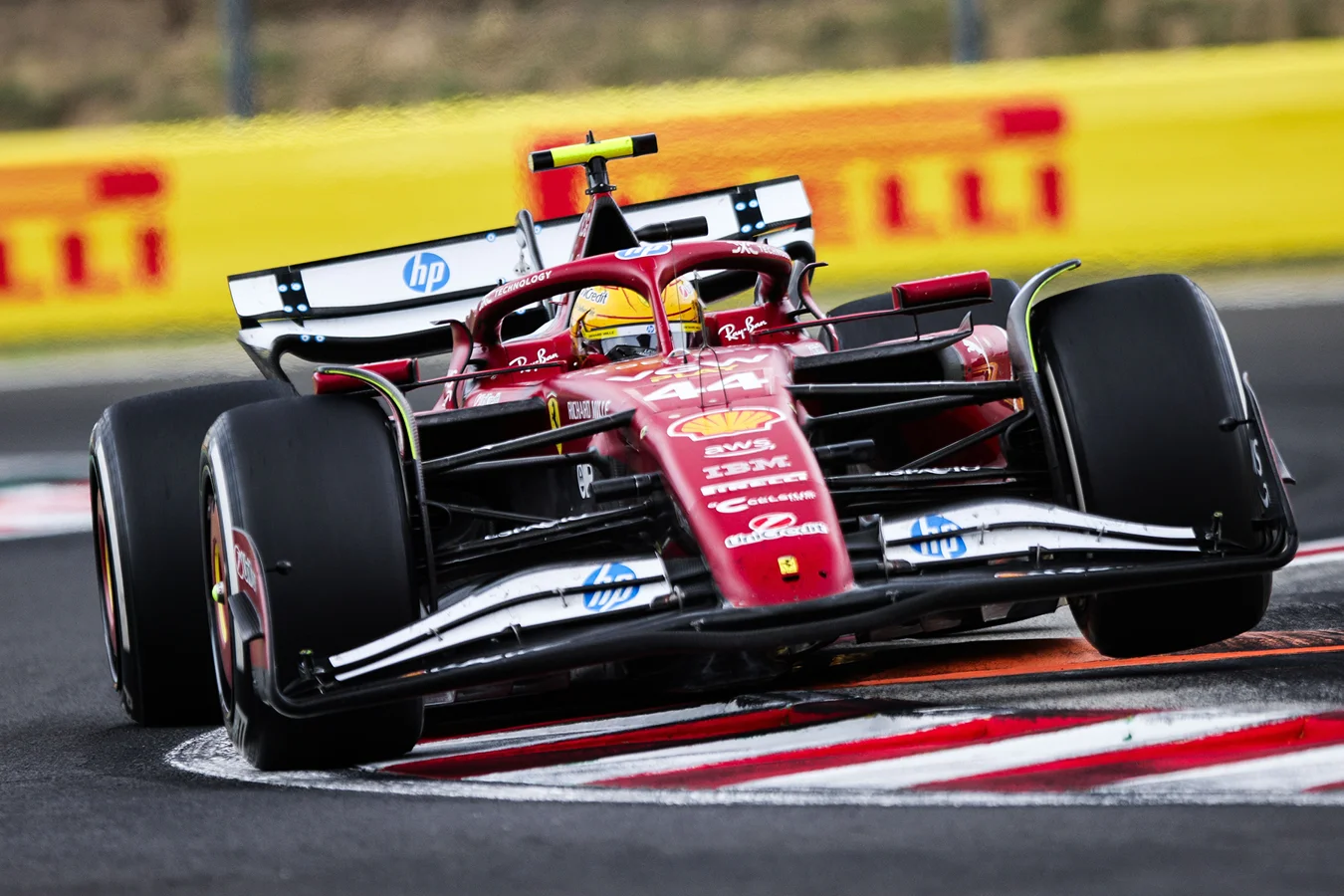
Hamilton’s Perspective on Formula 1’s US Popularity Surge
Lewis Hamilton expressed enthusiasm about Formula 1’s growing acceptance and passion within the United States, particularly around the launch of the Miami Grand Prix in 2022. As one of the most influential drivers in the sport and a seven-time world champion, Hamilton has witnessed firsthand the changes in fan interest in America.
Discussing the impact of introducing a new race on US streets, Hamilton remarked,
“Yes, I mean, growing up knowing how amazing the sport is and seeing that there was still quite a disconnect between the US and the rest of the world in terms of the passion for this sport, it’s really amazing to see that we’ve cracked it and there’s a growing love in the States.”
—Lewis Hamilton, Driver
He further highlighted the excitement generated by Miami’s race, saying,
“There are massive sporting fans out there. And I mean, Miami is going to be an experience for all of us, for the racing community, for those that are the fans out there that are watching, the fans that are going to be flying in that maybe have never been there before. The US has a lot to offer in that space. So, it’s super exciting,”
—Lewis Hamilton, Driver
Despite Hamilton’s optimistic views about the sport’s future in the US, his debut at the Miami Grand Prix did not unfold as he had hoped. He qualified and finished the race in sixth place, unable to make progress through the field despite the high expectations surrounding the event.
The Broader Significance of F1’s Expansion in America
The resurgence and growth of Formula 1 in the United States signify a major shift toward cultivating a new generation of fans who are deeply engaged with the sport. With key races spread across vibrant cities like Miami and Las Vegas, and the well-established Circuit of the Americas, the sport is positioning itself at the heart of American motorsport culture.
Hamilton’s recognition as one of the sport’s leading figures further strengthens this movement, as he serves as a bridge connecting long-time enthusiasts and new fans intrigued by F1’s unique blend of speed, technology, and global competition. The expansion not only enhances the sport’s international appeal but also introduces diverse audiences to the energy and spectacle of Formula 1 racing.
Looking ahead, the continued increase in American Grand Prix events suggests that F1’s momentum in the United States is likely to accelerate, fostering an even broader fanbase and deeper cultural impact on the sport’s future. Lewis Hamilton’s reflections capture the excitement and potential that this growth holds for drivers, teams, and supporters alike.