
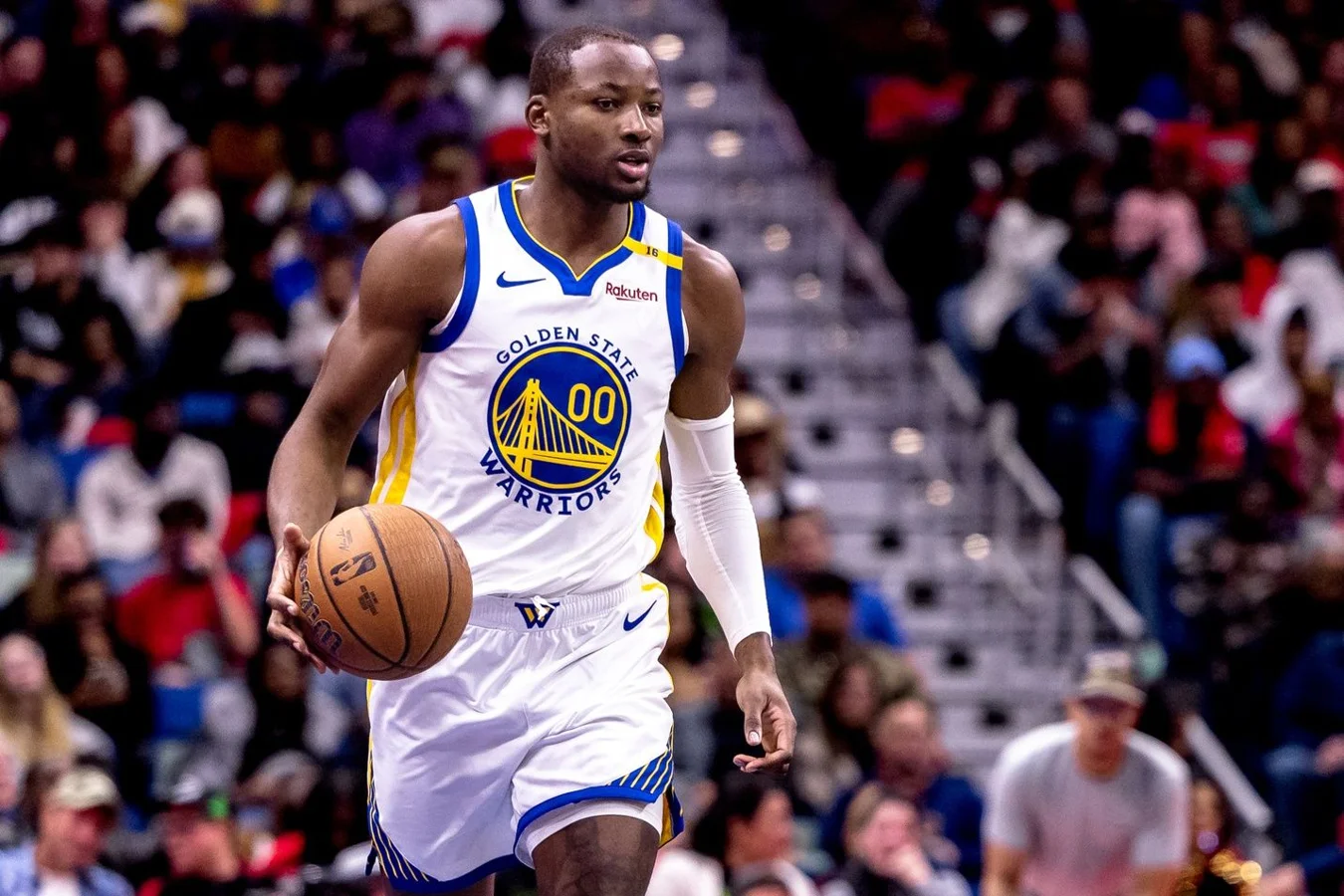

The ongoing Jonathan Kuminga Warriors contract drama has reached mid-August, reflecting the difficulties faced by restricted free agents in the NBA. After the Warriors chose not to trade Kuminga at the February deadline, his contract negotiations entered a complicated phase, as restricted free agents often lack bargaining power and depend heavily on team ownership to receive fair offers.
Kuminga’s value lies somewhere between the $30 million annual salary he reportedly sought and the one-year, $8 million qualifying offer he could accept to reach unrestricted free agency by 2026. At 22 years old, Kuminga showed promise last season, averaging 15.3 points per game on 45.4% shooting despite injuries and adjustments following the midseason trade acquisition of Jimmy Butler. However, his place within the Golden State Warriors remains uncertain.
Owner Joe Lacob’s Role in the Contract Impasse
The Warriors find themselves limited in options as they try to resolve Kuminga’s future. While they do not want to resign him to the qualifying offer, which risks losing him without compensation, their attempts to trade him earlier were reportedly blocked by ownership. The team’s general manager places responsibility squarely on Joe Lacob, the Warriors’ owner, who has shown strong support for Kuminga and vetoed trade proposals.
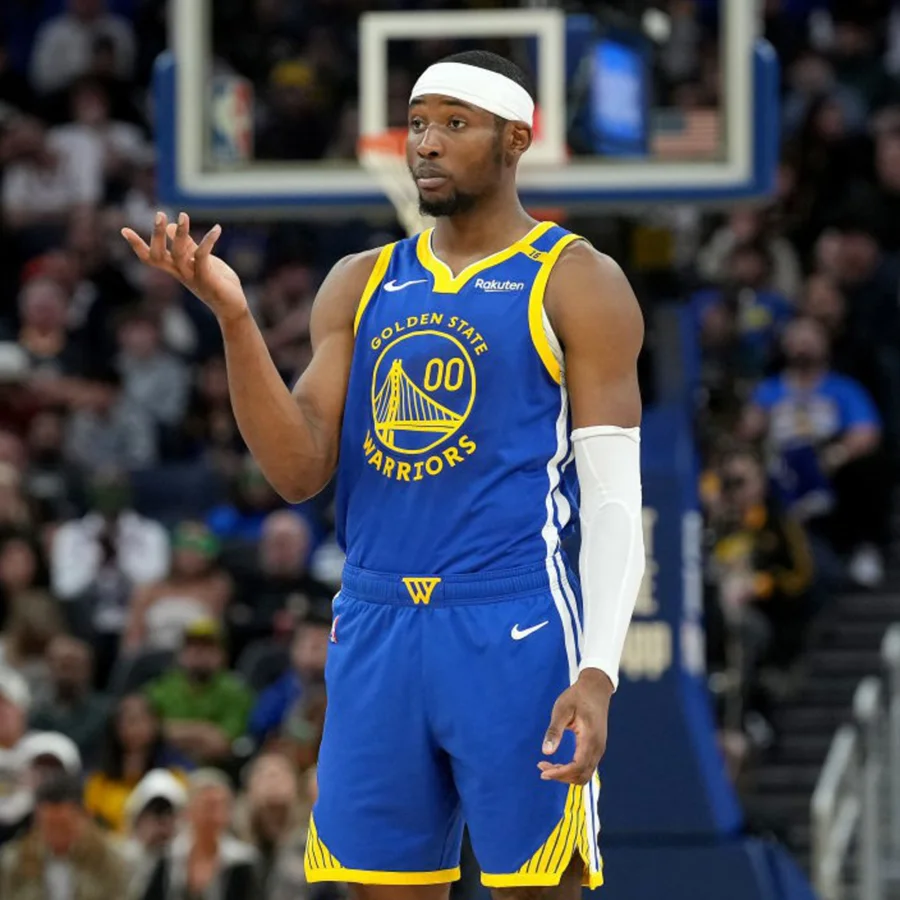
Lacob has been a great owner for them, he got the new building (the Chase Center), he raised that whole franchise, you’ve got to give him that,
the GM remarked.
But it’s dangerous for a front office when the owner falls in love with a player and that’s what happened here. What they’re dealing with now is the fallout of that.
The GM contrasted Lacob’s enthusiasm for Kuminga with his past stance on other players, stating that it works when the owner strongly backs a superstar like Steph Curry but creates problems when that passion extends to role players.
They have had plenty of chances to trade Jonathan Kuminga in the last two or three years, and even longer than that,
the GM said. Although the front office was open to deals that could have yielded useful draft picks and players, Lacob reportedly blocked all such efforts.
We’re past that kind of move now. They’re going to wind up with pennies on the dollar for Kuminga, and that is on the owner.
Implications for the Warriors and Kuminga’s Future
The escalating contract dispute leaves both Kuminga and the Warriors in a difficult position, with the franchise unable to capitalize on his trade value and Kuminga facing uncertainty in his career progression. This stalemate may force the Warriors to reconsider their approach to player management and ownership involvement in personnel decisions.
While Kuminga’s youth and performance suggest upside potential, the current impasse could hinder his development or diminish his trade value further if an agreement is not reached soon. The Warriors’ handling of this situation will likely influence their roster construction and salary cap flexibility in the upcoming seasons, making this a key issue to monitor for fans and analysts alike.