
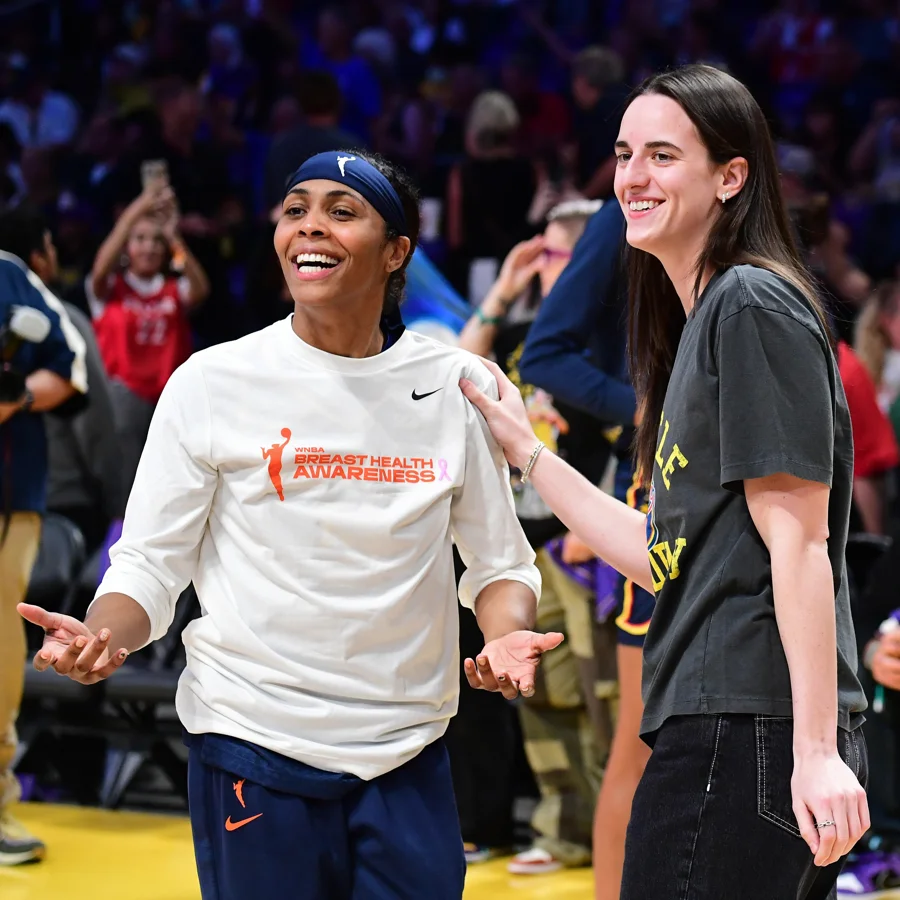

In the competitive world of professional basketball, the mental toll can be immense as every play impacts the outcome. For Caitlin Clark, the Indiana Fever’s rising star, managing expectations has been especially challenging as she embarks on her first WNBA season. Her teammate, Kelsey Mitchell, highlights the importance of humor in coping with these pressures, saying,
“You have to laugh so you don’t cry.”
The transition from college star to WNBA standout
Caitlin Clark’s leap from collegiate success to professional basketball has captured significant attention. Selected first overall by the Indiana Fever in 2024, Clark quickly earned accolades such as WNBA Rookie of the Year and the Associated Press Female Athlete of the Year. Her energetic and fearless playing style has drawn comparisons to some of the league’s best, placing substantial expectations on her shoulders right from the start.
However, with growing fame comes increased scrutiny. Clark faces intense competition from opponents and heightened anticipation from fans and critics alike. Mitchell’s insight reveals the mental resilience required to endure this pressure, emphasizing how laughter and strong team bonds play a critical role in maintaining emotional balance.
Kelsey Mitchell’s role as a supportive teammate
Having been a guard in the league for several years, Kelsey Mitchell understands firsthand the challenges rookies encounter in the WNBA. She has experienced both triumphs and setbacks, giving her a deep appreciation for the support new players need to thrive. Mitchell’s decision to remain with the Fever, continuing alongside Clark, signals her dedication to fostering a positive and encouraging environment for the team’s emerging talents.
Beyond the court, Mitchell acts as a mentor, guiding Clark through the demanding aspects of professional sports, including handling media attention and public expectations. This mentorship is vital to Clark’s development, helping her grow not only as an athlete but also as a person navigating the complex pressures inherent in elite competition.
The importance of mental health awareness in professional sports
Mitchell’s candid reflections underscore the broader issue of mental health in athletics—where emotional and psychological challenges often parallel physical demands. While much focus is placed on physical training, mental well-being is essential for sustained performance. Athletes work under significant stress, and without adequate support systems, the impact can be overwhelming.
Efforts to raise awareness about mental health resources and encourage open conversations within sports communities are crucial. As veteran leaders like Mitchell offer guidance and young stars like Clark bring fresh energy, the Indiana Fever are building a culture that values both athletic achievement and psychological health. This balance is key to the team’s potential for lasting success, enhancing player growth and resilience on and off the court.