
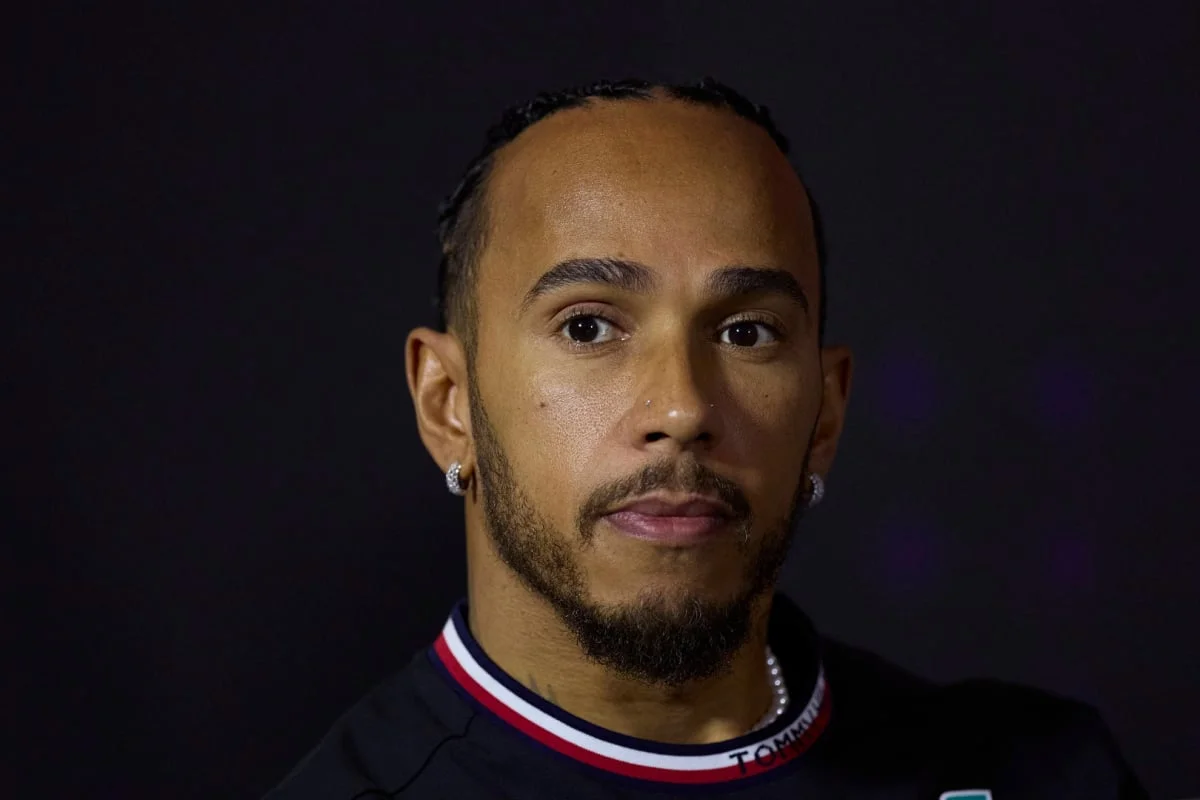

Lewis Hamilton’s name has surfaced amid speculation about a possible return to Mercedes, despite his difficult start with Ferrari this season. The seven-time world champion had ambitions of securing an unprecedented eighth title when he switched to the Scuderia, yet as the mid-season break approaches, he has not managed to reach the podium for his new team. This has sparked discussions about whether a reunion with Mercedes could still be viable. The ongoing uncertainty about Lewis Hamilton Mercedes return doubts largely stems from several practical concerns highlighted by former F1 driver Ralf Schumacher.
According to Schumacher, one key hurdle is Hamilton’s age; at 40, the driver has high expectations for both his performance and financial compensation. While the monetary aspect might not be a major issue—Mercedes reportedly planned a lucrative contract for Hamilton in 2025—the real question remains about how long Hamilton can maintain top-level form and whether he will want to continue competing in the sport. The possibility that his current performance might not match what it once was raises doubts about his ability to reclaim a leading position within the team.
Ralf Schumacher’s Perspective on Why Mercedes Might Hesitate
Ralf Schumacher has expressed clear reservations about Mercedes deciding to bring Hamilton back. He points out that Mercedes already has promising talent coming through the ranks, including George Russell, who recently outperformed Hamilton at the team level. Even Russell’s place in the future lineup is not guaranteed, indicating the depth of competition. Schumacher cites the emergence of several young drivers like Ayumu Iwasa, Hadjar, and Antonelli as additional reasons to prioritize younger talent. He emphasizes the need for a driver who can grow and adapt to the team’s evolving demands over time, rather than one who might be resistant to change.
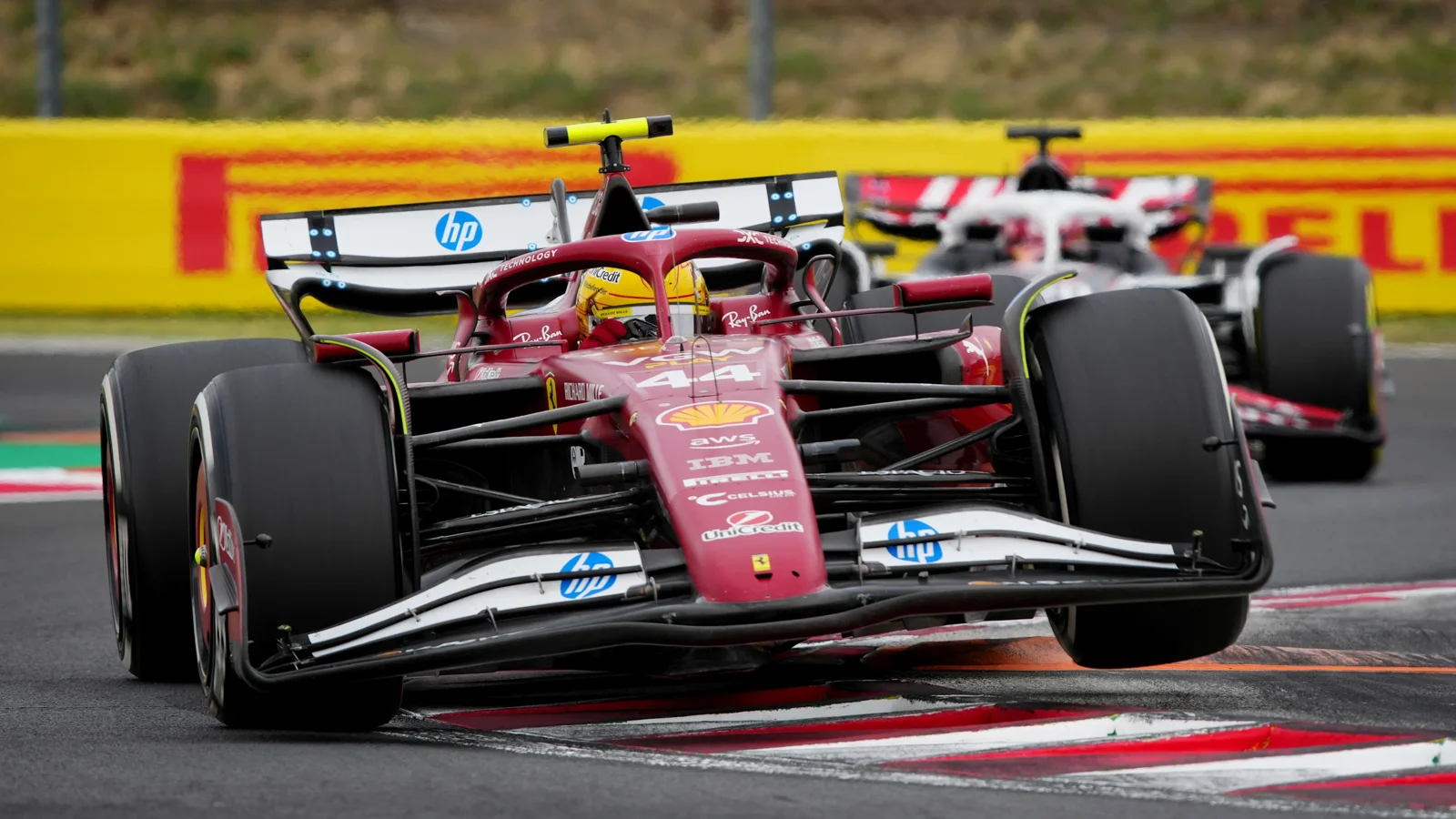
Supporting this view, Schumacher stated,
“I would bet on the future. I’d be hated for this, but if I were a team boss, I’d go for a young driver with potential. Someone you can shape, someone adaptable. Because I know from my own experience, the older you get, the more set in your ways you become.”
—Ralf Schumacher, former F1 driver
This quote underlines the fundamental concern about whether Hamilton, who has recently tried to influence Ferrari’s team setup to fit his style, would be willing or able to adjust back to Mercedes’ environment after so many years and accomplishments. Teams typically prefer drivers who can seamlessly integrate rather than those who dictate terms late in their careers.
Youth and Long-Term Planning in F1 Driver Choices
Beyond Hamilton and Russell, there are multiple young drivers making strong impressions and contending for seats in top teams. Schumacher specifically mentions Bearman, Hadjar, and Antonelli, alongside future prospects like Alex Dunne and Arvid Lindblad within Red Bull’s system. Though Bearman is not technically a rookie, these drivers collectively represent a push by teams to invest in developing talent early, ensuring adaptability and growth over extended periods.
This focus on youth and potential further complicates Hamilton’s prospects. With Mercedes needing to secure sustainable performance and possibly reduce risk, the temptation to promote emerging drivers appears stronger than returning to a veteran who might no longer be at his peak.
Emotional vs. Practical Considerations in Hamilton’s Future
Despite the strong emotional pull for one of the sport’s greatest champions to return to the team where he enjoyed his biggest successes, practical factors weigh heavily against it. Hamilton’s Ferrari debut has not gone as hoped, reigniting fan hopes he might return ‘home’ to Mercedes, but those hopes face the realities of performance, team strategy, and succession planning. Drivers like Toto Wolff, Mercedes’ team principal, have openly acknowledged the rising performance gap between Hamilton and Russell, signaling a shift in team priorities.
The potential impact of a Hamilton return would be significant, energizing fans and bringing experience to the garage, but it could also hinder the advancement of promising younger drivers. This creates a strategic dilemma for Mercedes as the team balances short-term gains against long-term competitiveness.
What’s Next for Hamilton and Mercedes?
Lewis Hamilton’s future in Formula 1 remains uncertain, with the debate over a Mercedes comeback exposing tensions between sentiment and strategy within the sport. The summer break may provide some clarity on how both Hamilton and Mercedes envision their next steps, but for now, the doubts surrounding a reunion persist. While fans and the sport itself continue to watch closely, Mercedes must decide whether to place greater faith in experienced past champions or invest fully in the new generation driving the future of Formula 1.