
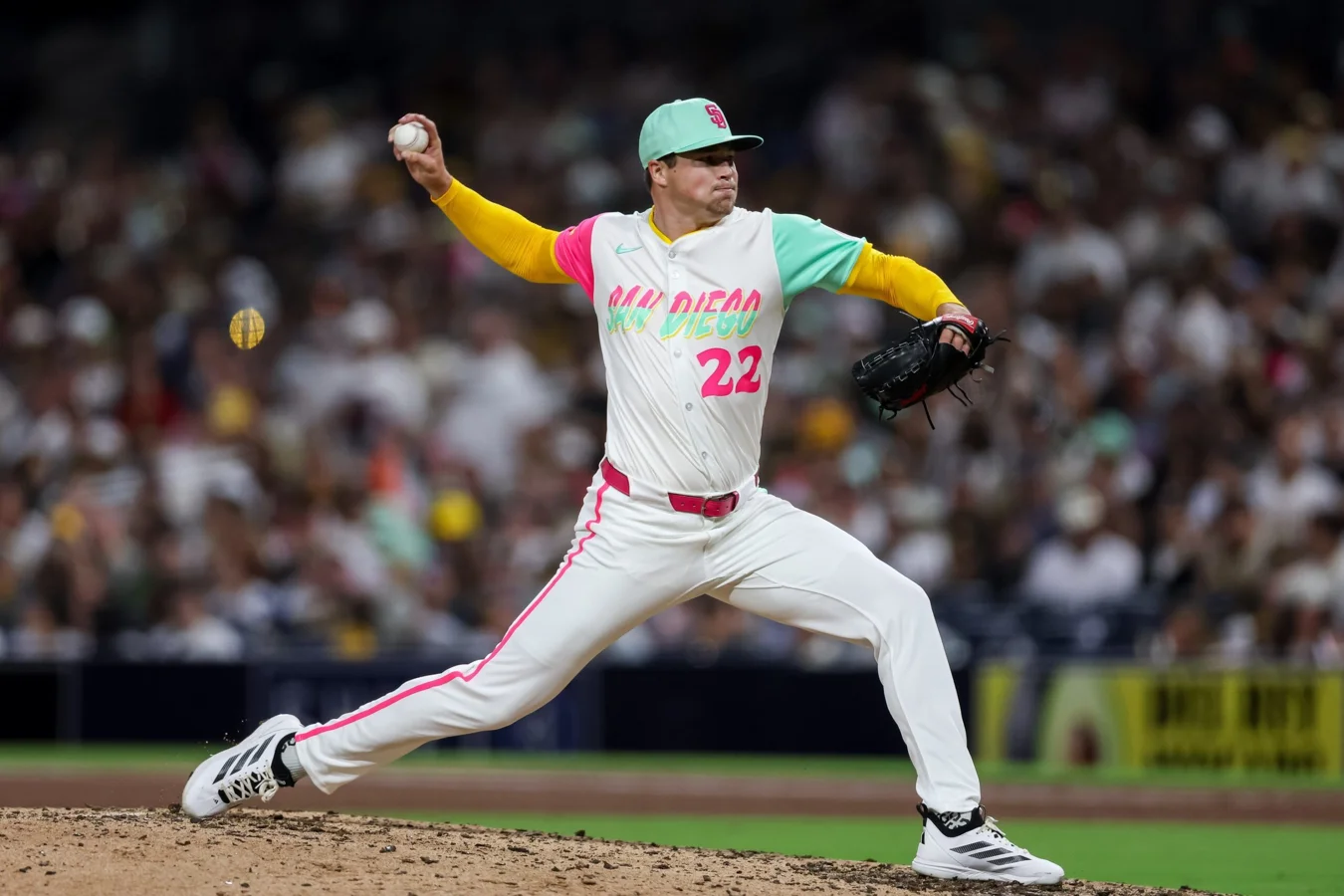

At the 2025 trade deadline, two standout bullpen arms changed teams within a day of each other: the Twins traded reliever Jhoan Duran to the Phillies, while the Athletics sent Mason Miller to the Padres. Both pitchers, known for their overpowering fastballs and ability to dominate hitters, had multiple years of team control remaining. However, the returns for Miller’s trade far outpaced what the Twins received for Duran, prompting analysis of factors like timing and player value in the deals. This article delves into the Mason Miller trade value analysis and explores whether the Twins might have secured a similarly impactful package for Duran.
Details of the Mason Miller Trade and Its High Returns
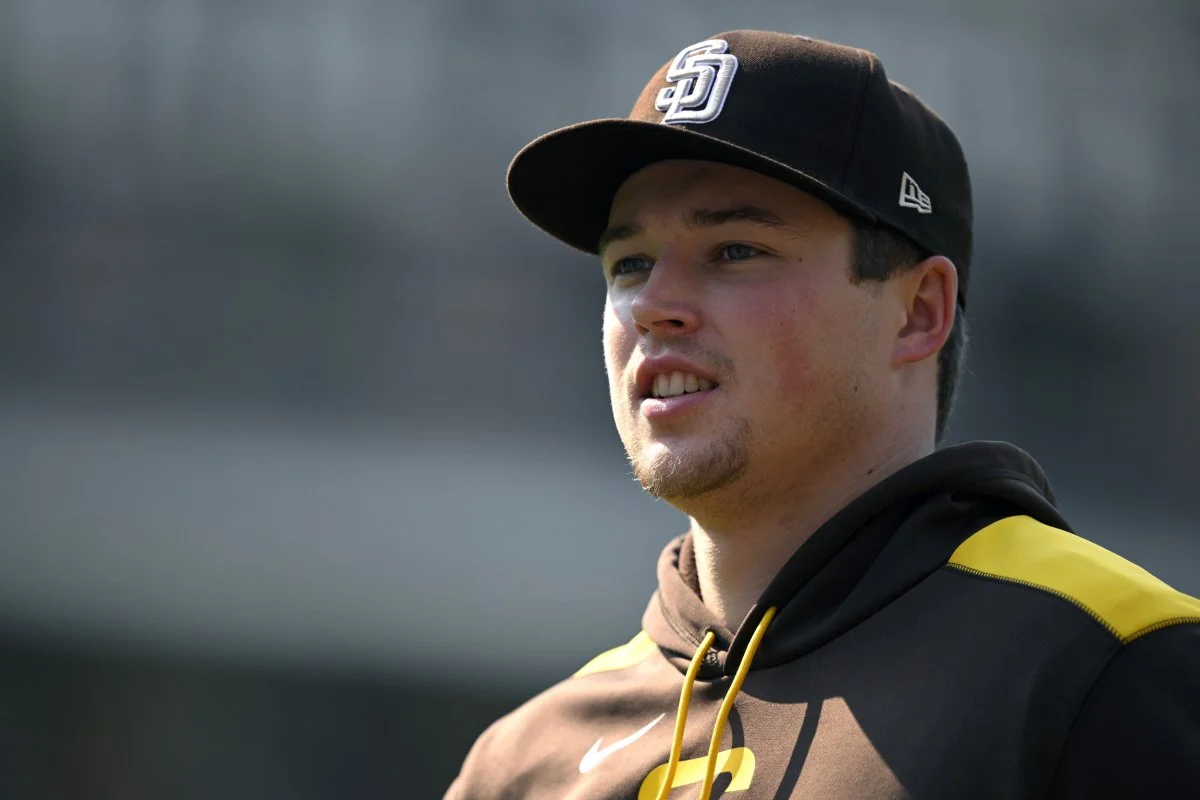
Mason Miller’s trade to the Padres was immediately attention-grabbing due to the quality of players Oakland received in return. The Athletics acquired Leo De Vries, widely regarded as one of the top five prospects in baseball, representing a cornerstone talent with starting-caliber potential. Alongside De Vries, Oakland added major league starter JP Sears, who provides reliable innings in the rotation, as well as Braden Nett, the Padres’ third-ranked prospect. Additionally, the package included prospects Henry Báez and Eduarniel Nuñez, ranked thirteenth and seventeenth respectively in San Diego’s system. This haul reflected Padres General Manager AJ Preller’s willingness to offer a significant price for a player he considers a key bullpen asset moving forward.
Comparing Jhoan Duran’s Trade Return and the Associated Prospects
The Twins’ trade of Jhoan Duran to Philadelphia, executed a day prior to the Miller deal, yielded top-100 prospects Eduardo Tait and Mick Abel, ranked 57th and 92nd overall. Tait is valued for his potential impact at a premium position, while Abel is a big-armed pitcher projected to contribute in a starting role. While this is objectively a strong return, there was speculation that Minnesota was waiting for an exceptional offer before moving Duran. Early discussions reportedly included the Twins requesting Andrew Painter, Philadelphia’s top prospect and one of baseball’s ten best talents, but the Phillies removed Painter from trade consideration. The final package centered on Tait and Abel reflects that pivot in negotiations.
Why Mason Miller Commanded a Larger Package
Several factors contributed to the disparity in returns between the two relievers. Miller’s cost-control advantages stand out: he remains in pre-arbitration, earning the league minimum and offering four more years of control after 2025. Conversely, Duran is in arbitration with a current salary exceeding $4 million and expected significant raises to $7 million and $10 million in subsequent seasons. In terms of performance metrics, Miller outperforms Duran in key areas, boasting a higher strikeout rate per nine innings (13.9 vs. 9.7), throwing harder on average (101.2 mph compared to 100.3 mph), and generating more swings and misses (37.4% against 31.0%). He also maintains a stronger Fielding Independent Pitching (FIP) despite pitching in a hitter-friendly home environment. There is added intrigue around Miller’s potential future role—Padres officials might explore converting him back into a starter, which could further increase his trade value.
The Impact of Trade Timing on Negotiations
Timing is believed to have played a crucial role in the differences between the two trades. Teams selling premium arms with multiple years of control often gain leverage as the deadline approaches, intensifying buyer urgency. The Athletics waited until the final hours of the deadline to move Miller, effectively pushing the Padres to submit their strongest offer. In contrast, the Twins executed the Duran trade a day earlier, prior to the Miller deal becoming public. This sequence raises questions about whether waiting longer could have altered Philadelphia’s stance or enticed additional suitors like San Diego, had they not already acquired Miller. The timing aspect highlights the nuances front offices must navigate in maximizing return on key assets.
Assessing the Trades’ Long-Term Implications for the Twins and Athletics
When considering trade value strictly by current assets received, Mason Miller’s profile justified a superior package, and Oakland successfully capitalized on that advantage. Minnesota’s haul of two top-100 prospects for Duran remains a solid return, and depending on how Eduardo Tait and Mick Abel develop, it could prove to be a savvy transaction. The central question is whether more value was left on the table by acting prematurely. Could the Twins have pushed for a “too good to refuse” offer including Andrew Painter or attracted competing bids by holding firm? Or was the timing and market environment in 2025 simply the right moment to accept Philadelphia’s proposal?
Reflection on Market Dynamics and Future Outlook
The Mason Miller trade will likely be remembered as one of the most impactful bullpen deals in recent years, setting a benchmark for reliever market value. Meanwhile, Jhoan Duran’s trade may quietly grow into one of Minnesota’s wiser moves if their new prospects perform as hoped. The two trades together provide an instructive example of how perceived value, contract status, scouting evaluations, and strategic timing intersect in shaping team-building decisions. These transactions will be analyzed for years as front offices seek to understand optimal approaches to maximizing assets with significant controllability.