
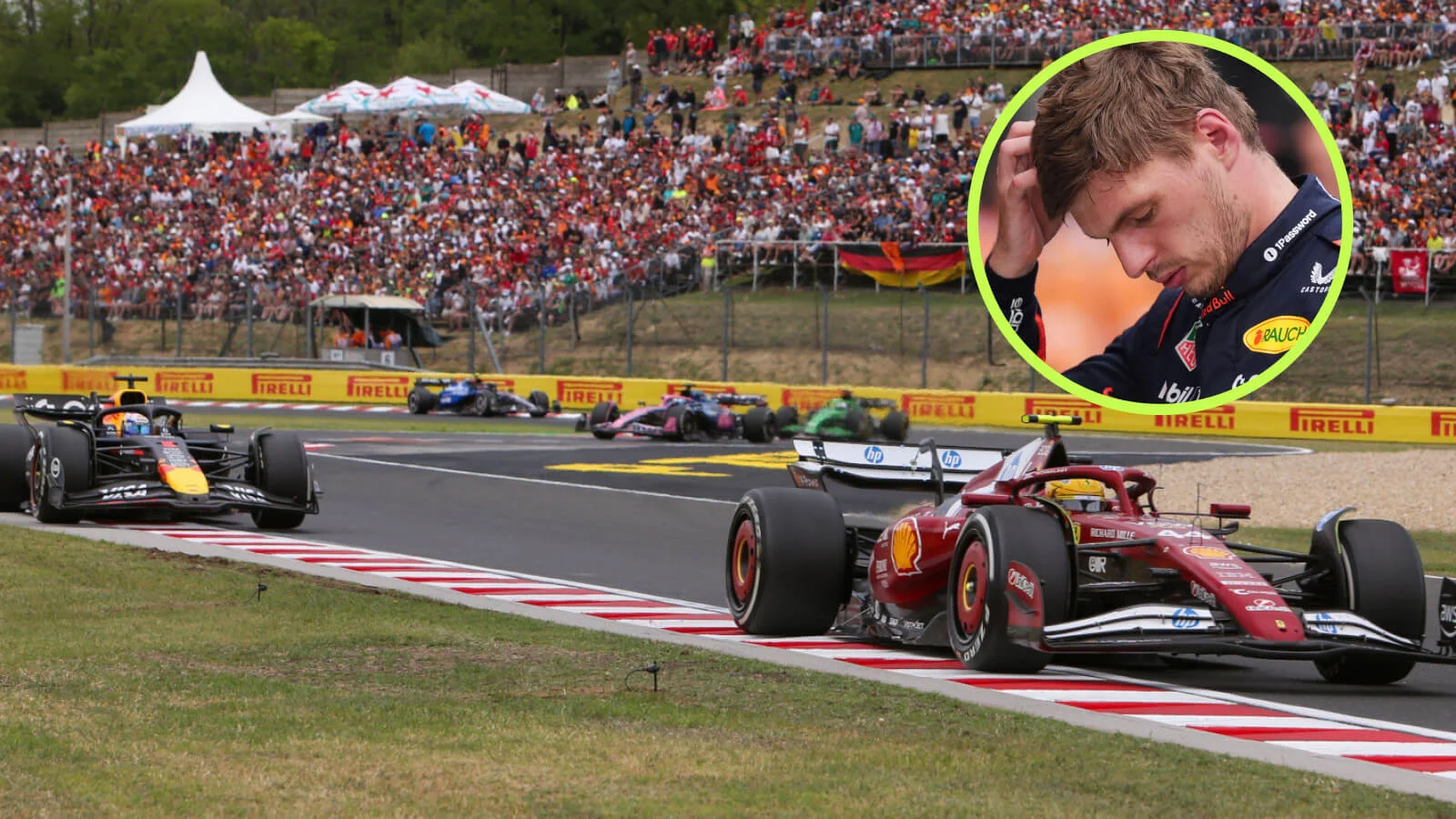

British TV presenter Chris Harris recently shed light on Max Verstappen’s off-track demeanor, challenging the prevailing views held by many British fans. Known primarily for his skill and tenacity on the Formula 1 circuit, Verstappen’s relaxed and straightforward personality outside racing is often misunderstood, especially in the UK.
The Dutch driver, a four-time F1 world champion at age 27, has earned widespread admiration globally for his driving prowess. However, his reputation in the United Kingdom has often been colored by assumptions that confuse his on-track aggression with his personal character away from racing.
Chris Harris Highlights Verstappen’s Genuine and Unpretentious Nature
During a deeply insightful conversation for the Ford collaboration on the “Chris Harris on Cars” podcast, Harris praised Verstappen’s simple and authentic off-track personality. Describing the 27-year-old as an uncomplicated man, Harris revealed how public perceptions in the UK had skewed the understanding of Verstappen’s true character.
“The thing you need to know about Max Verstappen is that most people in the UK have got him wrong. Frankly, he’s one of us. He’s a very, very uncomplicated man who happens to have been born with a set of skills to drive a racing car in a manner that none of us can really understand.”
—Chris Harris, British TV Personality
Harris also expressed surprise and delight at Verstappen’s self-awareness and calm nature during their interaction, emphasizing how refreshing the experience was compared to common media portrayals.
“And even more bizarrely, he’s actually aware of his talent, and he’s able to express what he’s doing. I have to say he was just super relaxed. He was a total joy to work with. He was everything people had told me he would be.” (22:50)
—Chris Harris, British TV Personality
Despite his accomplishments, Verstappen’s blunt media responses sometimes contribute to a harsh public image, which can overshadow his approachable side.
Chris Harris Defends Verstappen Against British Criticism
Expressing empathy for Verstappen’s journey, Harris admitted he would have been protective if Verstappen were his own child, especially considering how young the driver entered Formula 1 with limited experience. Harris pointed out the unfair scrutiny Verstappen faced in the UK compared to his achievements under pressure.
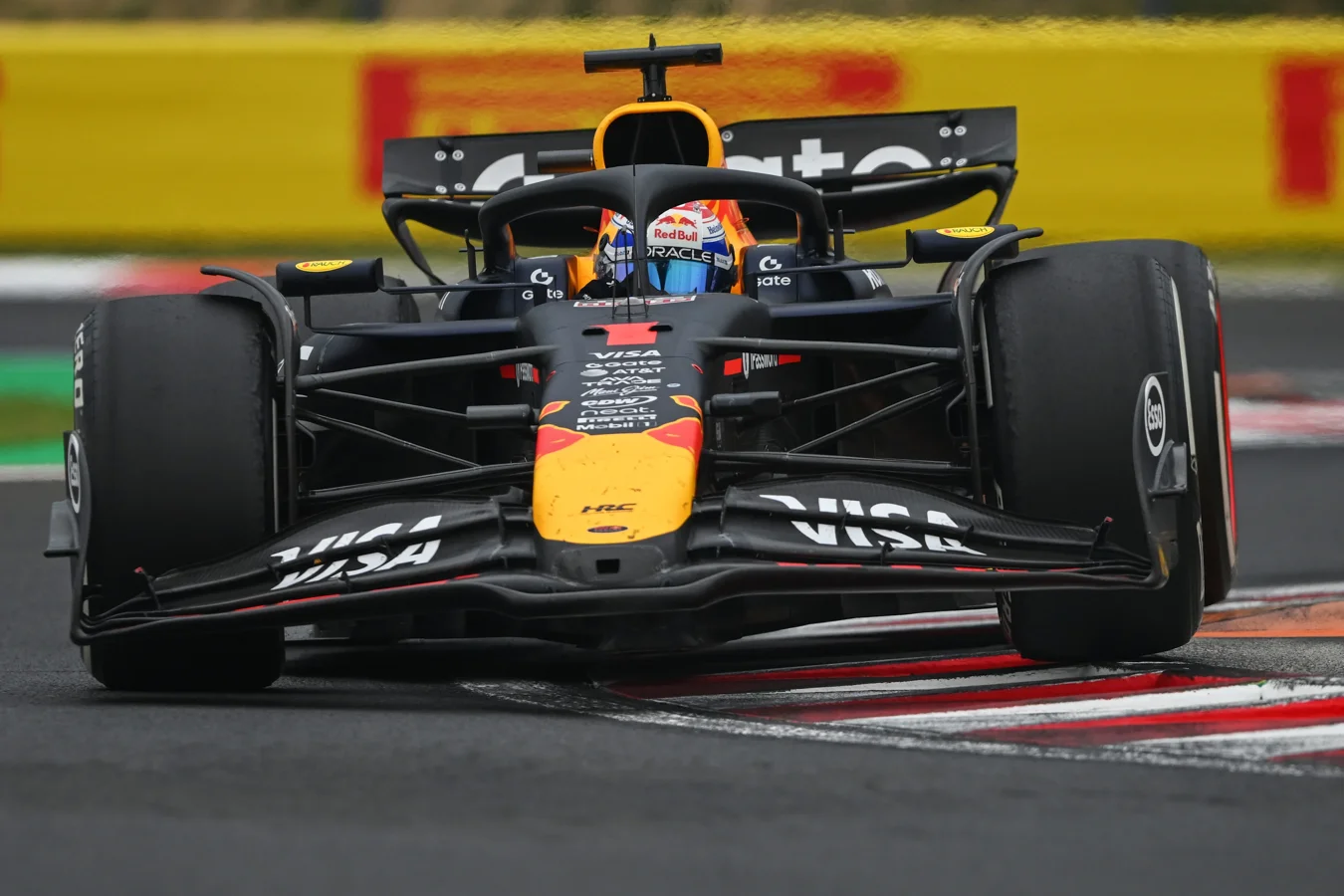
“I just imagined if that was my boy, how protective I would have been towards him. Jos comes in for a lot of s**t, but he basically sent his kid into the viper nest at an age when most of us wouldn’t trust them to go for one night out on the piss in their local town. And look what he’s achieved. I think it’s remarkable.”
—Chris Harris, British TV Personality
Harris also called for a shift in the British public’s attitude, stressing that Verstappen’s ruthless pursuit of victory does not make him a bad person off the track.
“I hope that this disappointing UK view of Max changes a bit because you know what? What he does behind the wheel – he’s a ruthless winner. He’s there to win. But that doesn’t mean he’s a bad human being.” (25:20)
—Chris Harris, British TV Personality
Team members and fellow drivers often commend Verstappen’s willingness to mentor emerging talent, further illustrating his positive demeanor in the Formula 1 community.
Understanding Max Verstappen’s Off-Track Persona and Its Importance
The conversation led by Harris helps to clarify the contrast between Verstappen’s aggressive racing style and his relaxed, down-to-earth personality away from the circuits. Misinterpretations about his character may influence fan opinions, particularly in the UK, where his reputation remains complicated.
By highlighting Verstappen’s humility and focus, Harris hopes to foster a more balanced perspective on the driver’s personal qualities. This understanding could enhance Verstappen’s standing among British audiences and help cultivate a more nuanced appreciation of one of Formula 1’s greatest talents.
As Verstappen’s career progresses, continued openness and collaboration with figures like Chris Harris may contribute to bridging gaps in perception, ultimately allowing fans to see beyond the track and appreciate the man behind the helmet.