
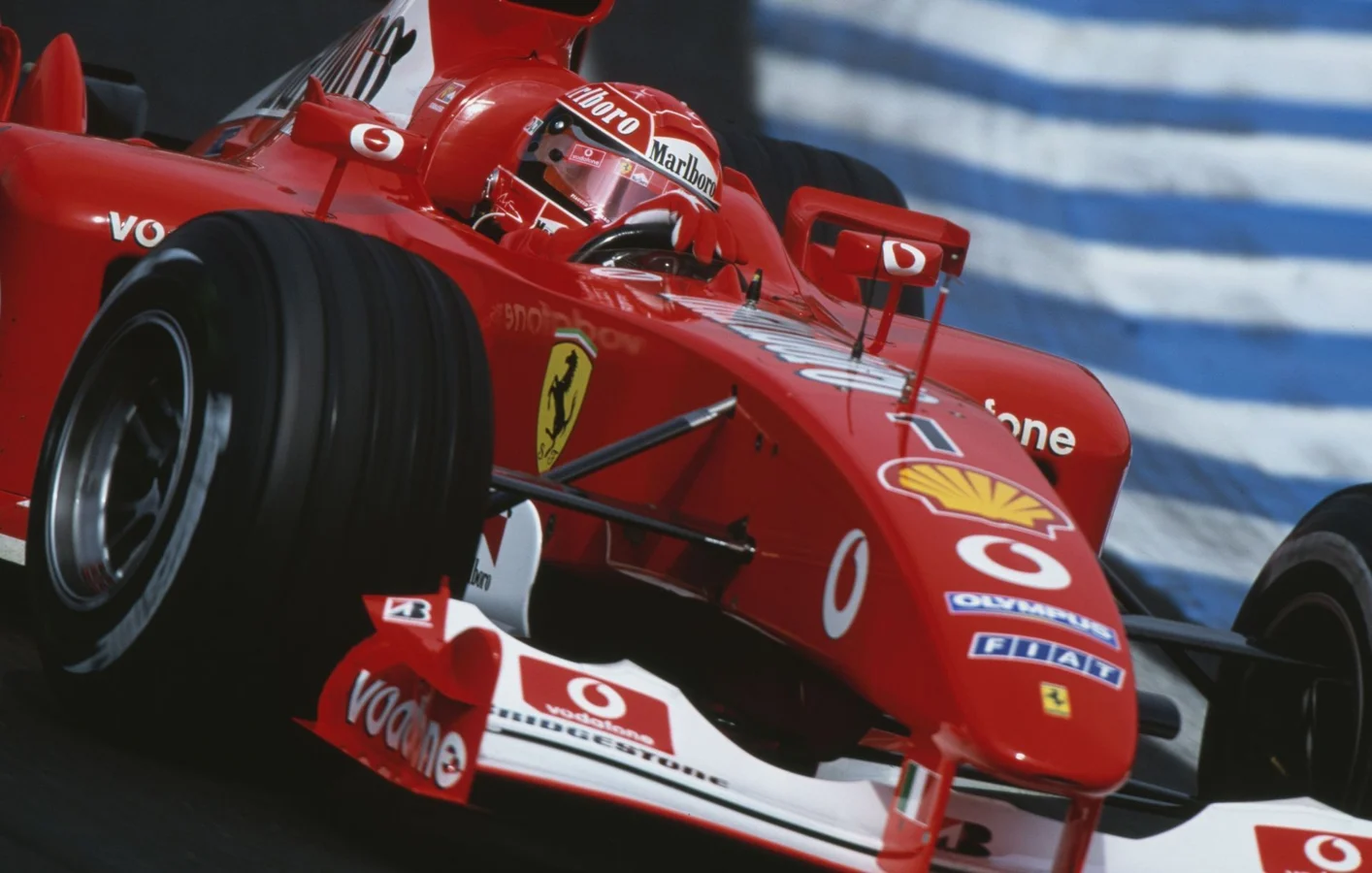

Michael Schumacher’s 2002 F1 dominance remains a landmark in the history of motorsport, marked by controversy, unmatched pressure, and extraordinary skill. Driving for Ferrari, Schumacher delivered performances that not only rewrote Formula One records but also set a benchmark that has yet to be equalled. The German driver entered the season poised to capture his third consecutive drivers’ title and fifth overall, joining only Juan Manuel Fangio in achieving five championships up to that point.
From the outset, Schumacher aimed to build upon his earlier successes, with his 2002 campaign surpassing even his dominant 2000 and 2001 seasons in scale and impact. His incredible statistics from the year stand as a testament to the level of control and excellence he demonstrated throughout the campaign.
The astounding records and statistics of Schumacher’s 2002 season
Throughout the 2002 season, Schumacher shattered several records as he pursued the world championship. Among his most notable accomplishments were multiple pole positions, race wins, and a commanding lead in the drivers’ standings. Despite beginning the year in a Ferrari car still based on a refined spec from his 2001 championship-winning model, he quickly stamped his dominance on the field, laying the foundation for a record-breaking campaign.
How Schumacher’s season unfolded: From early challenges to Ferrari’s upgraded car
Schumacher kicked off the 2002 season with a victory, asserting his presence early. However, the Malaysian Grand Prix in Round 2 introduced unexpected drama when a collision with Juan Pablo Montoya forced him to fight back after an early setback. Ferrari’s Rubens Barrichello initially took the lead in that race, only for Ralf Schumacher to claim victory, marking his sole win of the year while Michael finished third.
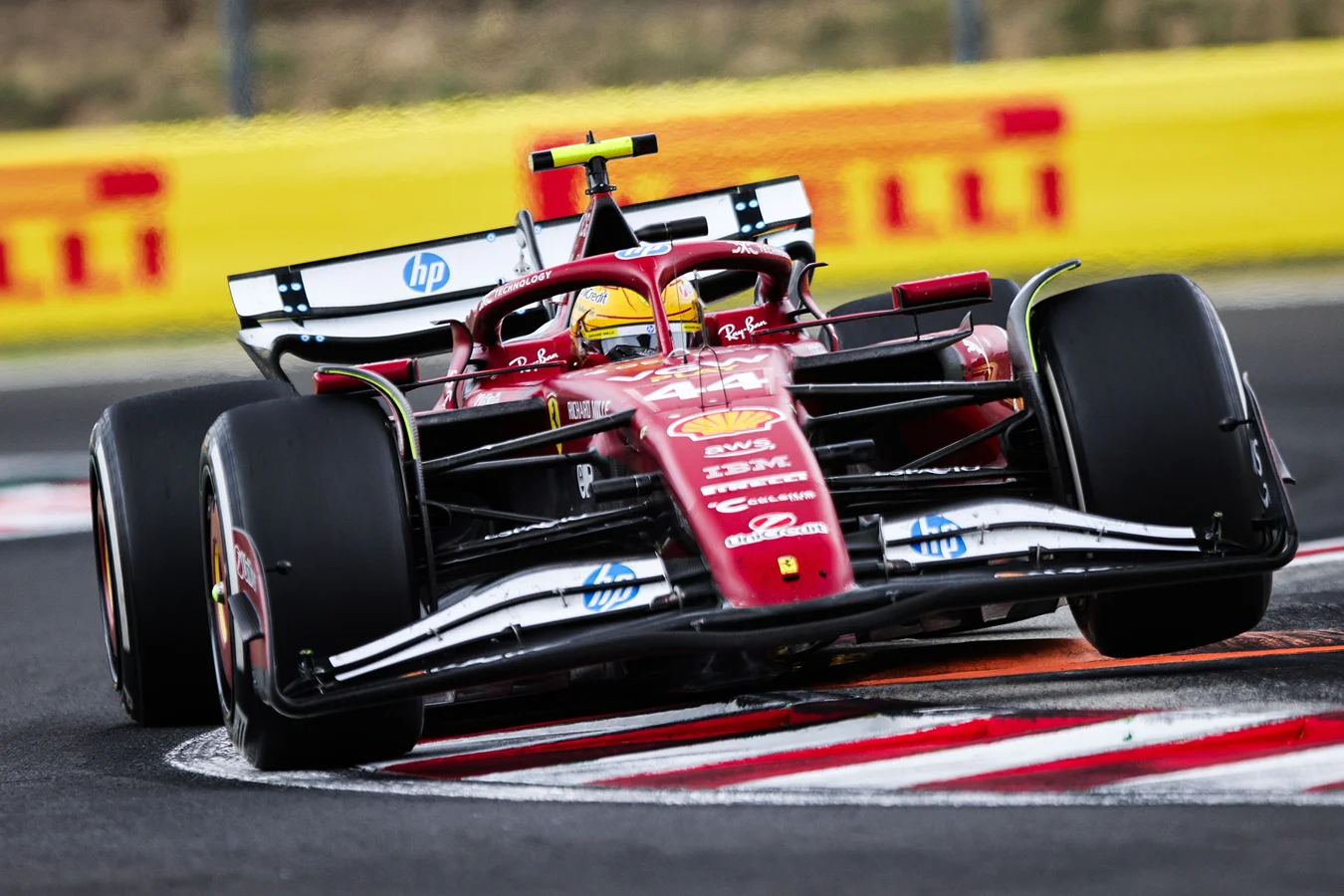
Recognizing the need to increase their competitive edge, Ferrari introduced the new F2002 car starting from Round 3. This upgrade propelled Schumacher to four consecutive wins, though one of these victories became embroiled in controversy later in the year.
The internal Ferrari conflict and Schumacher’s march to his fifth title
Midway through the season, Schumacher’s dominance created tensions within the Ferrari team. After a strong start with wins in Brazil, Imola, and Spain, Schumacher led the championship with 44 points, while teammate Rubens Barrichello managed only six points across the first five events. This disparity sparked a controversial team order during the Austrian Grand Prix in Round 6.
Barrichello, having claimed pole position and performing strongly, appeared set for his first win of the season in Austria. Yet Ferrari chose to reinforce Schumacher’s championship pursuit by instructing Barrichello to yield the lead to his teammate, despite the race being early in the season. Although initially hesitant, Barrichello complied, handing Schumacher his fifth victory of the year amid awkwardness on the podium.
“Too many championships have been lost in the past when teams haven’t given that support to their driver. We don’t operate like that,” Ross Brawn said, justifying his decision (via MotorSport Magazine).
Following this episode, Schumacher showed gratitude toward Barrichello by sharing racing success over the next four rounds in Monaco, Canada, Germany, and Great Britain. By maintaining alternating first and second-place finishes, Schumacher extended his championship lead to 54 points, setting up the French Grand Prix as the potential site where he could secure his fifth world title.
The French Grand Prix at Magny-Cours proved to be Schumacher’s toughest challenge of the year. Starting alongside pole-sitter Montoya, the German initially ceded the lead during the first round of pit stops before committing a rare error by crossing the pit lane exit line. This infraction resulted in a drive-through penalty, dropping him to third behind Kimi Räikkönen and Montoya.
Despite this setback, Schumacher’s relentless drive enabled him to retake the lead as an oil spill from Allan McNish caused Räikkönen to lose control. Ultimately, Schumacher’s victory at the French GP sealed his fifth Formula One world championship, elevating him alongside Fangio as only the second driver to achieve this milestone before later adding two additional titles in 2003 and 2004.
“I’ve never been good at these moments to find appropriate words. It just has overcome me. Suddenly, when I was leading and felt I was going to win the championship, that was the worst five laps I’ve had in my career. The outbreak I had was pretty heavy, and that’s when I realised how much pressure I was under,” Michael Schumacher said.
Schumacher’s gesture of sportsmanship at the United States Grand Prix
After clinching the title in France, Schumacher continued to demonstrate his resolute form. At the German Grand Prix held at the Nürburgring in front of his home crowd, he celebrated with a victory as part of a six-race winning streak. Ferrari’s Rubens Barrichello followed with a win in Hungary, helping to secure Ferrari’s 12th constructors’ championship.
At the penultimate round, the United States Grand Prix at Indianapolis, Schumacher and Barrichello competed both for individual glory and historical recognition. Schumacher started from pole for the sixth time that year and led much of the race. Yet, in an act of repayment for the Austrian Grand Prix incident, Schumacher deliberately eased off on the final straight, allowing Barrichello to cross the finish line ahead by a mere 0.011 seconds—one of the narrowest margins in Formula One history.
Entering the season’s final race in Japan with the championship already won, Schumacher remained determined. At Suzuka, he secured pole position and led the race comfortably except during pit stops. His victory there marked the crowning conclusion to an extraordinary and flawless season for both Schumacher and Ferrari.
While Lewis Hamilton surpassed Schumacher’s total titles by winning seven world championships, and Max Verstappen has showcased dominance in more recent years, neither driver has matched the sheer command displayed by the “Red Baron” during the 2002 campaign.