
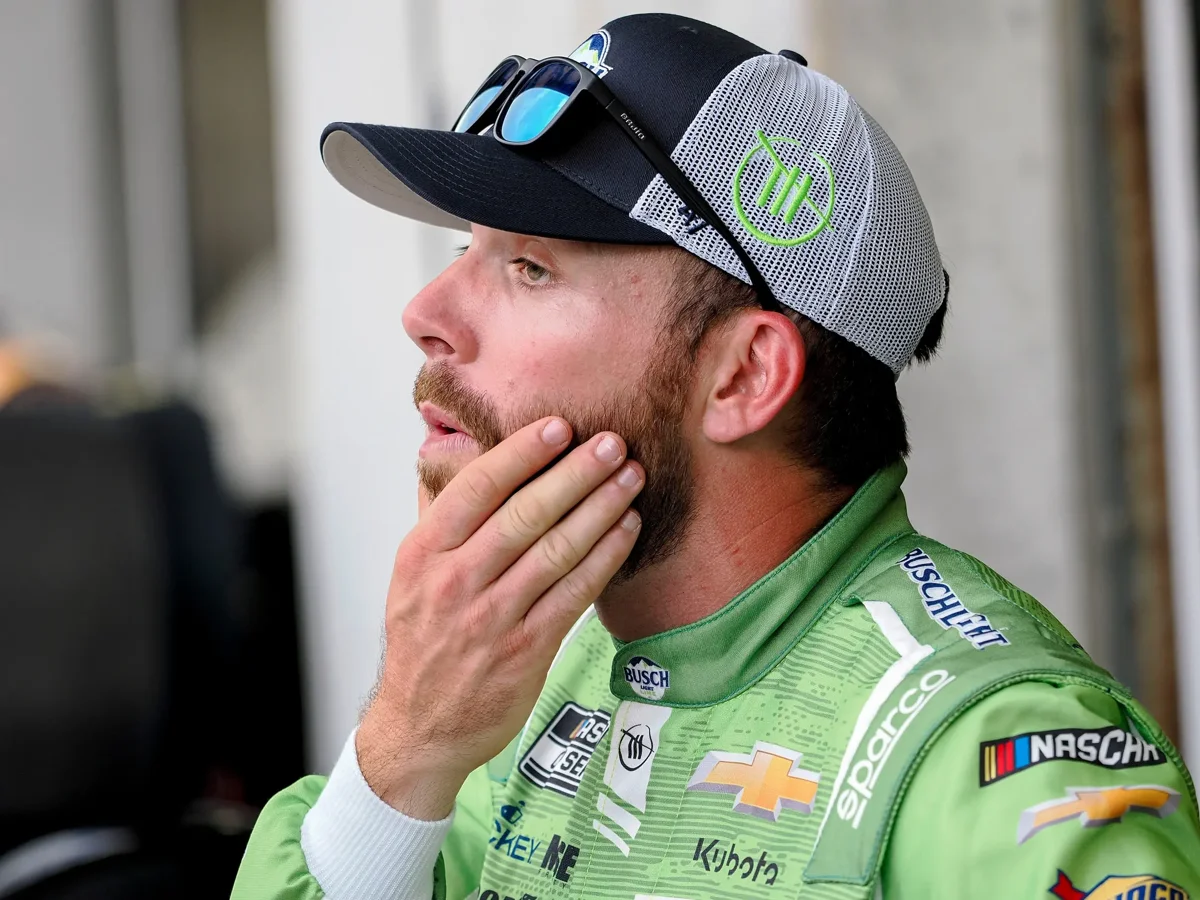

Ross Chastain, known for his determined racing style, quickly rose from smaller outfits to national prominence in NASCAR, especially after joining Trackhouse Racing. His breakthrough came with a dramatic victory at the 2025 Coca-Cola 600, where he surged from the back of the grid in a backup car to overtake William Byron late in the race. However, since that landmark achievement, his performance has declined, with only two top-10 finishes in subsequent events. This downturn in momentum has sparked concerns about his consistency, prompting Trackhouse co-owner Justin Marks to publicly outline a strategy aimed at reversing the slump and restoring Chastain’s competitiveness.
Justin Marks Identifies Qualifying as Key Obstacle Holding Chastain Back
Marks commended the dedication and talent of Chastain’s pit crew, describing them as
“a very, very talented group of people; very motivated… and working very hard.”
Despite this, he pinpointed a critical weakness that has hampered Chastain’s race weekends: qualifying results.
“We do have to get better on Saturdays,”
Marks emphasized, explaining that starting races deep in the field, often 20th place or worse, makes it exceedingly difficult to climb into contention.
“If we qualify 28th, it’s just so hard to pull yourself out of that.”
Although the team’s race pace generally remains competitive, the disadvantage from poor qualifying has limited opportunities to control the action from the front. Marks affirmed the team’s resilience, saying,
“we’re able to make lemonade out of lemons a lot more often than not,”
but stressed that achieving better starting spots is essential for sustained success.

To combat this issue, Marks detailed a focused plan involving faster preparation on race weekends, improved qualifying setups, and better pit-stall selections, all geared towards placing Chastain nearer to the lead. Such improvements would enable the driver to dictate race pace more effectively and deploy aggressive strategies with greater freedom. Statistically, Chastain’s capability remains evident, with one win, nine top-10 finishes, an average finish position of 16.4, but an average start languishing at 21.6 holding him back. The stakes are especially high as playoff qualification demands steady results, not just occasional late-race heroics. Enhancing qualifying performance could transform Chastain from a traffic navigator into a formidable championship contender.
Strategic Focus Shifts Amid Expansion and Project 91’s Status
Alongside addressing Chastain’s struggles, Marks also discussed Trackhouse Racing’s broader organizational priorities, particularly concerning Project 91. Launched in 2022, Project 91 has showcased international talent in the Cup Series, highlighted by Kimi Raikkonen‘s entry at Watkins Glen and Shane van Gisbergen’s surprising win at Chicago in 2023. While this initiative brought fresh attention and sponsorship, it has slowed this season as Trackhouse expanded to three full-time Cup teams.
Marks described Project 91 as
“near and dear to my heart,”
underscoring its value for brand visibility and attracting partners. Yet, he candidly acknowledged that the program currently ranks as “number 85 on the list” due to resource constraints, as the team prioritizes improving performance for its main entries. Discussing the challenges of competing with additional cars, he reflected,
“Daytona was really, really tough this year to take four cars there,”
highlighting the logistical and financial strains of maintaining Project 91 alongside full-time efforts.
Despite the program’s temporary downscaling, Marks affirmed its continued importance:
“I love Project 91… I think it’s important for the sport… We’ve been able to do big sponsorship deals… great talent,”
he said, leaving open the possibility of future revival when circumstances permit. Currently suspended but not abandoned, Project 91 remains an asset Trackhouse can leverage once focus on the core Cup roster stabilizes, supporting a sustained competitive push.
Implications for Ross Chastain’s Title Contention Prospects
The coming weeks are pivotal for Ross Chastain and Trackhouse Racing as they seek to break free from recent struggles. Improving qualifying performance is the cornerstone of their strategy to convert Chastain’s evident speed into consistent results. Starting closer to the front will afford him greater control over races, reducing the reliance on bold last-minute maneuvers that have characterized some of his best moments. With the postseason fast approaching, the team’s ability to execute this roadmap will determine if Chastain emerges as a dark horse contender or remains limited to sporadic highlights.
Justin Marks’s transparent acknowledgment of challenges and the clear action plan reflect a team unwilling to settle for anything less than championship-level success. As Trackhouse concentrates its resources on maximizing the performance of its three full-time Cup cars, Chastain’s resurgence could not only elevate his status but also strengthen the organization’s position in an increasingly competitive field. Meanwhile, the continued stewardship of Project 91 ensures that the team maintains innovative pathways and fan engagement beyond immediate racing goals.