
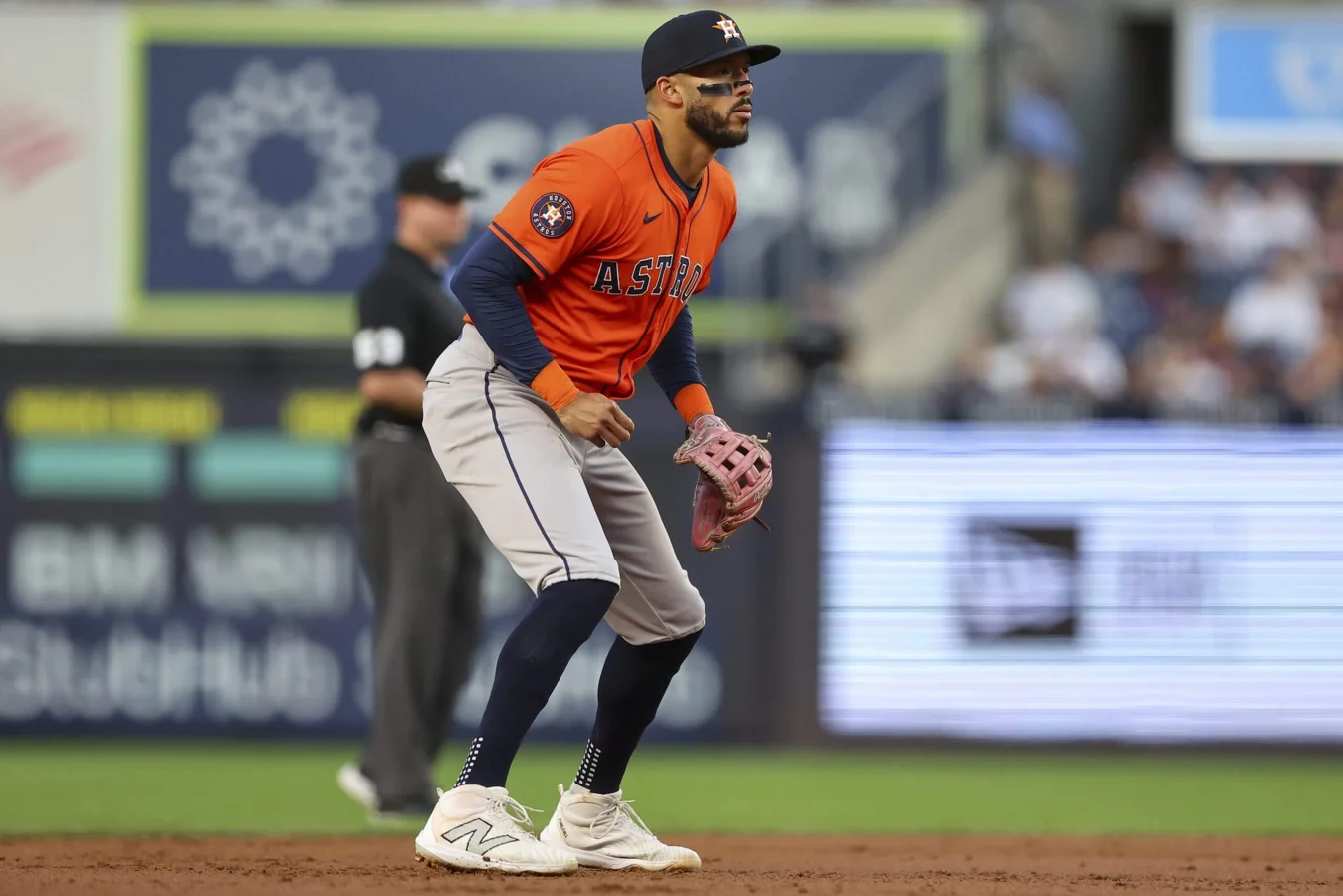

Carlos Correa, recently traded back to the Houston Astros by the Minnesota Twins, is undertaking a significant challenge as he transitions to playing third base for the first time in his Major League Baseball career. This move comes in response to an injury to Astros’ infielder Isaac Paredes. Correa’s third base transition is receiving particular attention as he adapts to a position with which he is unfamiliar, and he is focused on improving through extensive study and practice.
The shift to third base has prompted Correa to dedicate considerable time to analyzing how elite defenders handle the position, using film study as a key tool to master the defensive nuances required. Rather than rushing the adjustment, Correa is intent on learning from some of the best in the league to make his move as smooth as possible.
Learning from Top Defenders: Chapman, Arenado, and Machado
Correa has zeroed in on three premier third basemen to guide his development via video analysis: Matt Chapman of the San Francisco Giants, Nolan Arenado of the St. Louis Cardinals, and Manny Machado of the San Diego Padres. Each of these players has earned multiple Gold Gloves, symbolizing their superior defensive skills. Correa chose them for their abilities to expertly field ground balls and for the different arm angles they use to complete one of the toughest throws in baseball—from third base to first.
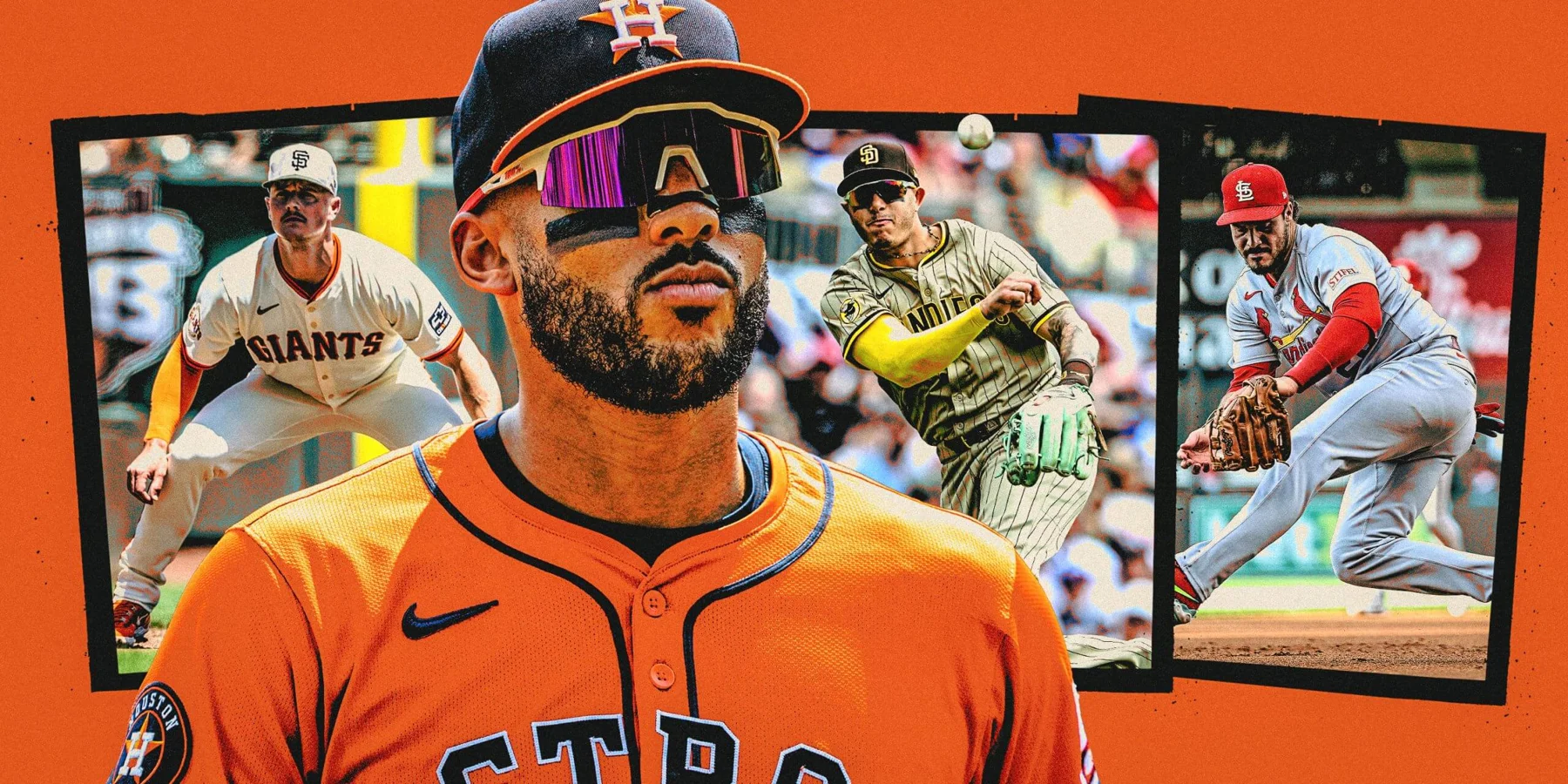
While rejoining the Astros during a demanding three-city road trip, Correa used the available downtime during flights and hotel stays to meticulously study these players’ techniques, positioning, and footwork. His goal is to absorb as many details as possible, including how they position themselves against different types of hitters and base runners.
Correa’s Focus on Chapman’s Defensive Approach
Among the three, Correa found Matt Chapman’s approach particularly insightful due to their history of playing against each other when Correa was with the Astros and Chapman was with the Oakland Athletics. Correa appreciates Chapman’s defensive instincts and pays close attention to the depth Chapman plays at and the nuanced pre-pitch movements he employs.
He explained his study process:
“For me, it’s about seeing how deep they play with slow runners, fast runners, double plays, infield in, guys that bunt, all that,”
Correa said.
“Just analyzing all the little details so I can get more comfortable at the position.”
He further described his focus, stating,
“I watch his film and I analyze the depth that he plays at, I analyze pre-pitch movement, the different slots that he uses depending on where the ball is hit.”
This deliberate film study is intended to build Correa’s confidence and field awareness for third base.
Chapman’s Perspective on Correa’s Position Shift
Matt Chapman, who signed a long-term contract with the San Francisco Giants last offseason, firmly established himself as the team’s third baseman. Reflecting on the Giants’ decision not to sign Correa due to concerns over his medical evaluations, Chapman noted that if Correa had been considering a move to third base sooner, the Giants might have approached their roster priorities differently.
With five American League Gold Gloves, two Platinum Gloves, and a Wilson overall defensive award, Chapman is widely regarded as one of the best defenders at third base. When he learned that Correa was studying his film to smooth the transition, he was honored but also confident in Correa’s abilities.
Chapman shared his thoughts on Correa’s adjustment:
“For him, I don’t really have any advice,”
Chapman said.
“He’s such a good baseball player. Just trust his instincts. He has great instincts. I imagine it’s going to be a pretty quick transition, easy transition for him.”
Significance of Correa’s Transition for the Astros and MLB
Carlos Correa’s successful adaptation to third base would not only provide the Houston Astros with much-needed infield stability but also showcase his versatility as an elite player. His willingness to study deeply and prepare thoroughly signals a determination to maintain a high defensive standard despite changing roles. Correa’s commitment to mastering third base through watching top defenders like Matt Chapman, Nolan Arenado, and Manny Machado exemplifies how top athletes evolve to meet team needs.
Moving forward, observers will be keen to see how quickly Correa’s third base transition translates into consistent game performance, strengthening the Astros’ infield defense. His process offers a glimpse into how modern players utilize both physical skill and strategic film study to adjust at the highest level of baseball.