
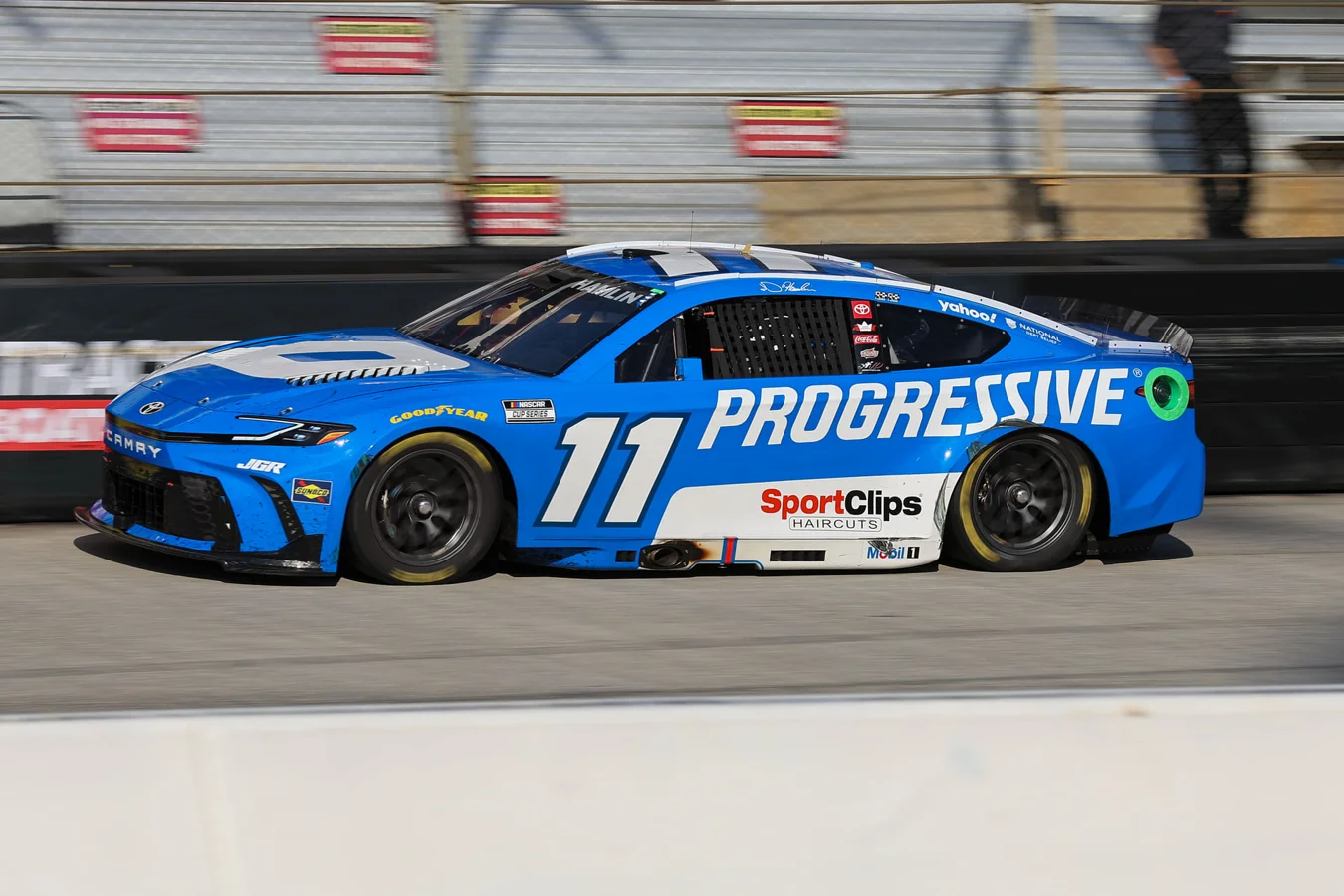

Following the NASCAR Cup Series race at Watkins Glen International this past Sunday, Denny Hamlin expressed grave concerns about the escalating negativity surrounding the Next Gen car among fans and drivers. He warned that the level of rejection is reaching what he described as “hate levels,” a sentiment not seen in nearly twenty years within NASCAR. Hamlin specifically compared the backlash against the current Next Gen car to the widespread dislike experienced with the original Car of Tomorrow (COT) that featured the controversial wing design.
Hamlin stated on the Monday episode of the Actions Detrimental podcast,
“I think that we have a fundamental car problem. It is no doubt a problem. Everyone that has ever driven it has said it’s a problem,”
and,
“I believe that the Next Gen car is reaching hate levels of the COT (Car of Tomorrow) with the wing. From fans — I think they’re starting to dislike this car as much as the drivers that have to drive it.”
Background on NASCAR’s Generation Cars and Fan Reactions
The Car of Tomorrow was introduced following the popular Generation 4 cars, and it was used in the Cup Series from 2007 through 2012. This car received substantial criticism from both fans and drivers due to performance and design issues, especially the wing, which was eventually removed. NASCAR responded by unveiling the Generation 6 cars in 2013, which aimed to address many of these concerns. In 2022, the Next Gen car, marking the seventh generation of NASCAR Cup cars, was introduced with hopes of modernizing the sport and improving competition.
Now in its fourth year, the Next Gen car has struggled to gain widespread approval, especially on short tracks and road courses where its performance has been heavily scrutinized. While the car tends to produce more exciting racing on intermediate tracks, dissatisfaction remains high among key stakeholders within the sport.
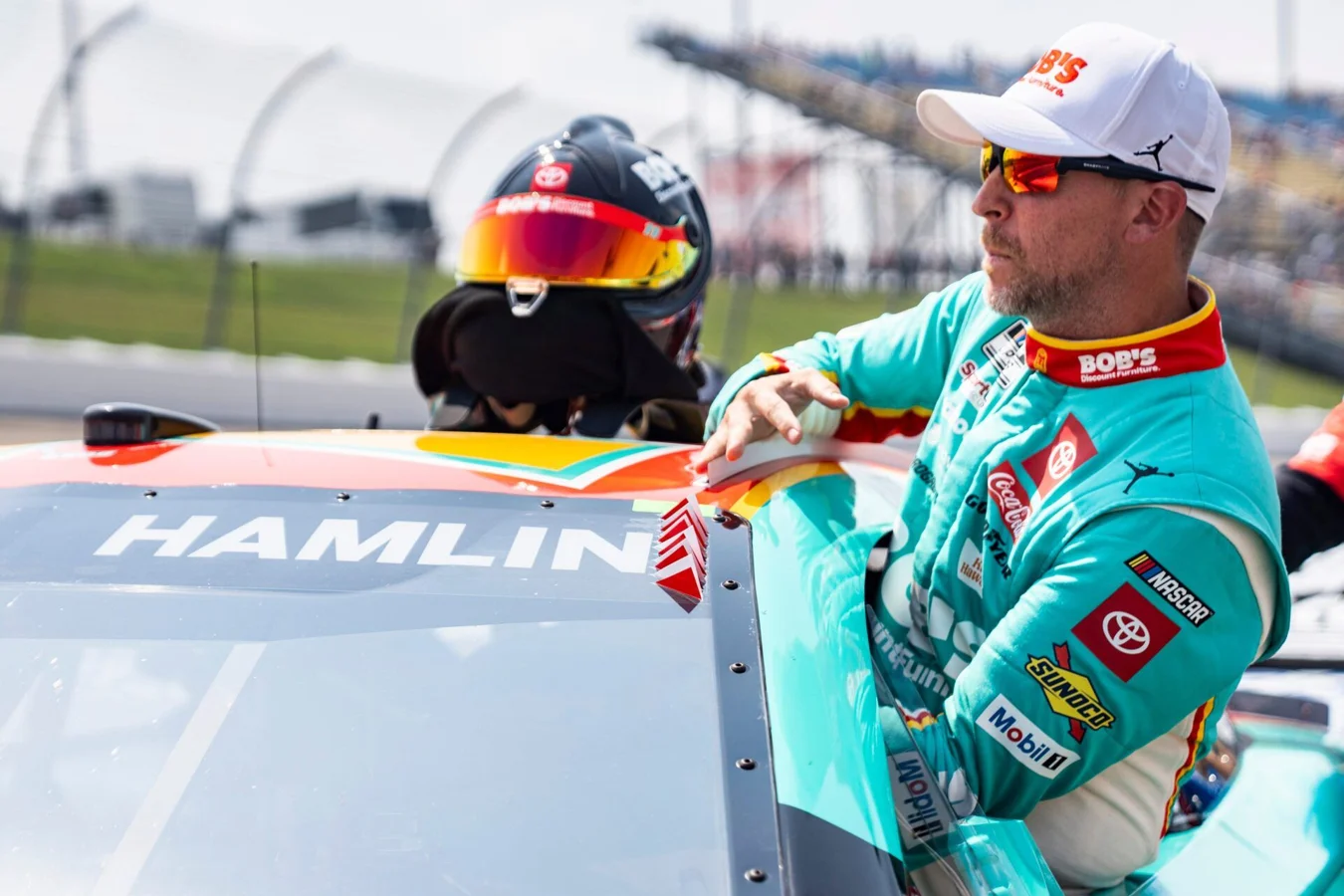
Hamlin Critiques NASCAR’s Leadership and Decision-Making
Hamlin also voiced frustration toward NASCAR’s leadership choices over the years, suggesting that a series of misguided decisions may be contributing to the current dissatisfaction with the Next Gen car. He remarked that these choices, often made far removed from the driver’s perspective, have negatively impacted the sport.
“We’ve just steadily progressed our way back and back and back and back and taken horsepower away more and more and more,”
Hamlin said, highlighting a disconnect between the decision-makers and the drivers themselves. He added,
“These are 10th floor decisions and let’s just say us drivers are on the third floor. No business is immune to bad decisions. I think that the NASCAR business has made some horrible decisions over the last given amount of time and eventually, it catches up.”
Continuing, Hamlin warned about the consequences of unchecked authority, stating,
“You can’t just say, ‘This is the direction I wanna go.’ ‘Well, why?’ ‘Well, this is the direction I wanna go,’ and not eventually have to pay for that. You’re going to have to pay for your bad decisions at some point. And this could be said for lots of things that have happened in those offices. We’ll just see how it goes.”
Potential Implications for NASCAR’s Future
Hamlin’s candid remarks underscore the tension currently gripping NASCAR as it continues to navigate fan and driver dissatisfaction with the Next Gen car. The mounting feedback — described in terms rarely used for the sport — signals a critical moment for NASCAR’s leadership to reassess the direction of the car’s development and broader strategic choices.
With the Next Gen car now four seasons into its tenure and with no clear resolution in sight, NASCAR faces pressure to address these concerns if it wants to maintain both driver enthusiasm and fan engagement moving forward. How the organization responds could significantly influence the sport’s competitive environment and public perception in the years ahead.