
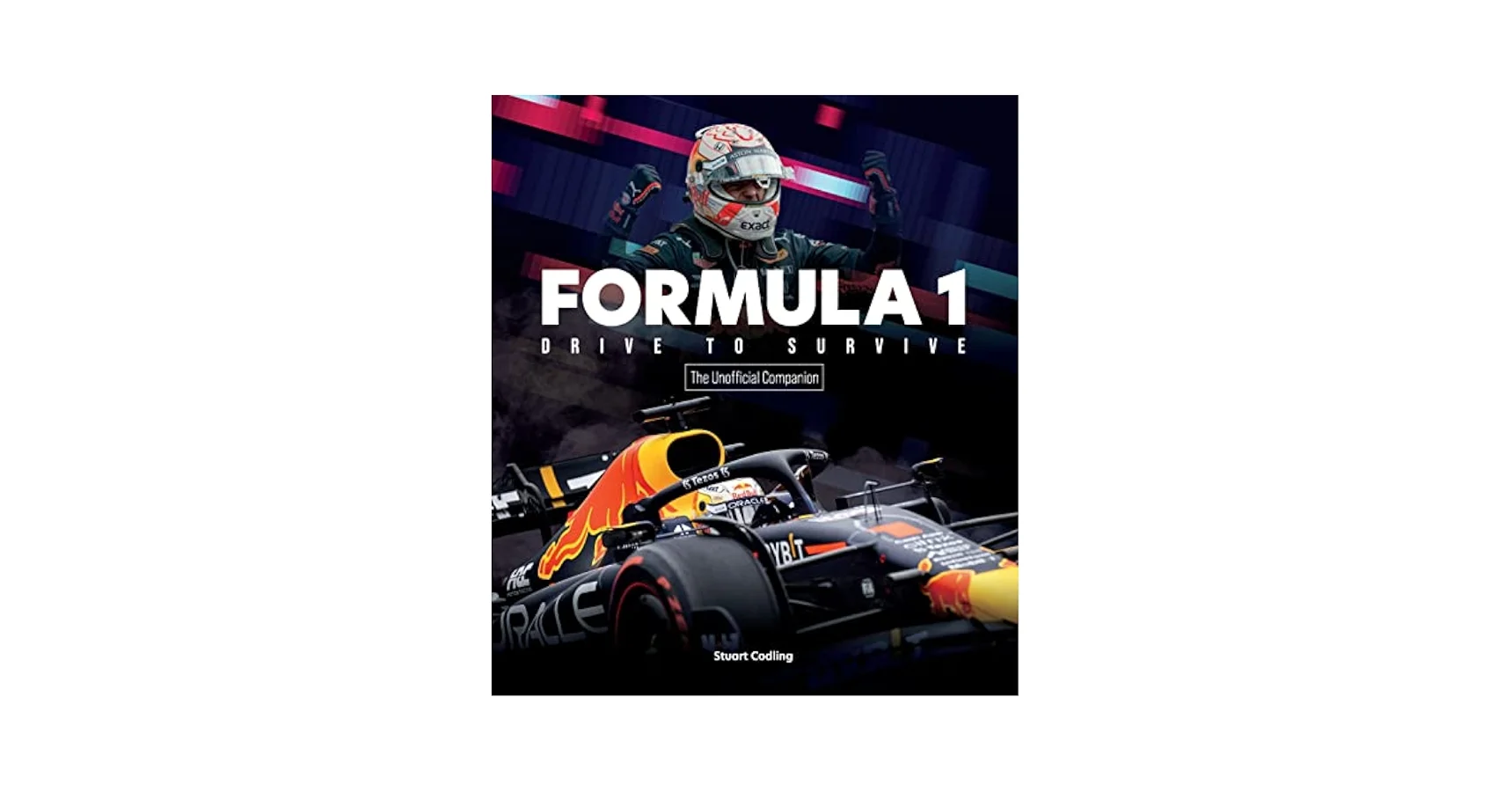

Zak Brown, CEO of McLaren Racing, has urged for Formula 1 broadcasts and Netflix’s Drive to Survive series to evolve by revealing the complex technological and strategic elements behind the sport. Brown believes that by offering fans closer access to data and insights from the pit wall, they can gain a more comprehensive understanding of how F1 really operates beyond the usual on- and off-track drama.
Growing F1’s Fan Base Through Technology and Strategy Insights
Drive to Survive has successfully attracted new audiences to the championship, introducing many to Formula 1’s excitement. Brown now wants to deepen that connection by exposing viewers to the technological sophistication and strategic planning that characterize the sport. He explained that F1’s technology and race strategies are unlike anything seen in other sports, involving vast amounts of data and complexity.
“It’s something that I’ve been a bit vocal with on Netflix and the broadcast,”
Brown said during an interview on the podcast How Leaders Lead with David Novak. He highlighted that the sport features different levels of technology interest among fans, so presenting the information suitably for varying levels is important.
Brown emphasized the challenge of conveying just how fast and advanced F1 race cars truly are, noting that the technical data involved is immense.
“The amount of technology, we’re talking terabytes, and I remember the first time I was like, I know what a terabyte is, but actually I didn’t at the time. So I was like, ‘Kind of give me terabytes for dummies,’ and it was, ‘Zak, that’s like 10 million documents.’ That’s how much data we pull off of a race car or race weekend.”
He believes that once fans understand these technical insights, offered at an appropriate level, their fascination with the sport would deepen.
“So I think if we can, now that we’ve got the fans interested, they love the drama, the on-track, the 20 drivers, the teams, show them really how our sport operates, but pitch it at the right level of interest, I think people would be fascinated if they knew what I was looking at during a race on pitwall.”
—Zak Brown, McLaren
Impact of Drive to Survive on F1’s Audience Demographic and Growth
Brown also reflected on how the Drive to Survive series has transformed the audience composition of Formula 1, especially under Liberty Media’s ownership, which helped elevate the sport’s presence in North America. He credited the show for revitalizing interest among key demographics such as youth and women, groups that had previously been underrepresented in F1’s fan base.
“It’s been a game-changer for the sport,”
Brown stated.
“Of course, there’s a lot of contributors to it, but if I had a dollar for every time someone said, ‘Netflix got me into Formula 1,’ it would be amazing.”
He noted that before Liberty Media’s acquisition, the sport struggled particularly to connect with women, young viewers, and fans in North America—the areas where Netflix has since been most influential. Brown described hearing frequently from new female fans at airports who said,
“I never watched Formula 1 before and I love it.”
He explained that the diversity and youthfulness of the current F1 audience strengthen the sport’s appeal and commercial potential worldwide.
“And so, that’s what surprised me, it grabbed those audiences and geographies, but how big it made it. It’s like we’re not just on the map in North America now, we’re big in North America, and it’s super cool.”
—Zak Brown, McLaren
The Future of F1: Combining Drama with Deeper Technical Engagement
Zak Brown’s vision highlights a future where Formula 1 broadcasts and Drive to Survive evolve to include more detailed technological storytelling alongside the intense race drama. By unlocking the secrets of race data and strategic decision-making for viewers, F1 could appeal to those fascinated by the precision and innovation behind the sport.
This approach may foster greater fan engagement by providing an educational element that matches the excitement on-screen, further diversifying the audience. As McLaren and the broader F1 community continue to innovate, fans may soon experience a more immersive viewing experience that reveals why Formula 1 remains one of the most technologically advanced and thrilling sports globally.