
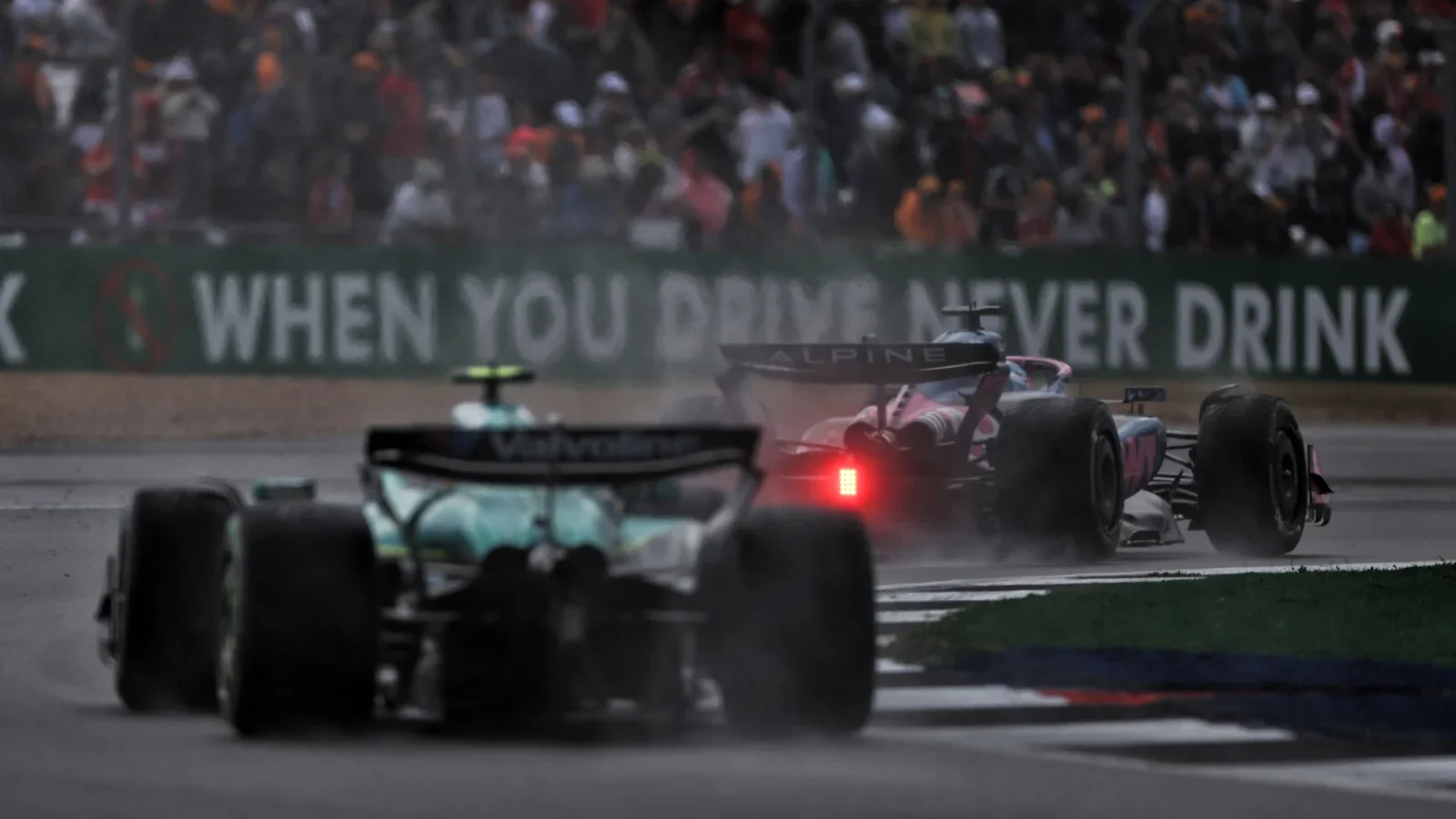

Formula 1 drivers are increasingly concerned about a worsening safety hazard linked to poor visibility during wet-weather races, a problem that recently disrupted the Belgian Grand Prix at Spa-Francorchamps. Torrential rain forced race control to delay the event for over an hour, highlighting the dangerous conditions caused by the intense spray generated by the cars, raising urgent questions about how F1 can continue to safely race in such weather.
This visibility crisis has been intensifying, reaching a critical point at Spa, resulting in heated debates among drivers and teams. Lewis Hamilton criticized the lengthy race delay as an overreaction influenced by recent unpredictable weather at the British Grand Prix, frustrating drivers who found their well-planned race strategies rendered useless by the heavy rain.
Balancing Safety with Racing Integrity Amid Visibility Challenges
Andrea Stella, McLaren‘s team principal, provided a balanced perspective, emphasizing the need to prioritize driver safety despite the competitive frustrations. Yet, the fundamental challenge remains unresolved: how to maintain race integrity without compromising safety when visibility is severely reduced.
The problem has worsened with this season’s introduction of ground effect cars, which feature larger diffusers and lower ride heights to improve downforce but unintentionally create a dense mist of spray that greatly hinders drivers’ vision, especially on fast, iconic circuits like Spa.
Technical Factors Behind the Visibility Problem and Future Outlook
Ground effect vehicle designs and bigger tires are key contributors, producing significantly more spray in wet conditions than previous car generations. Drivers face blurred vision while navigating high-speed sections such as Eau Rouge, creating a perilous environment when traveling at speeds surpassing 300 kilometers per hour.
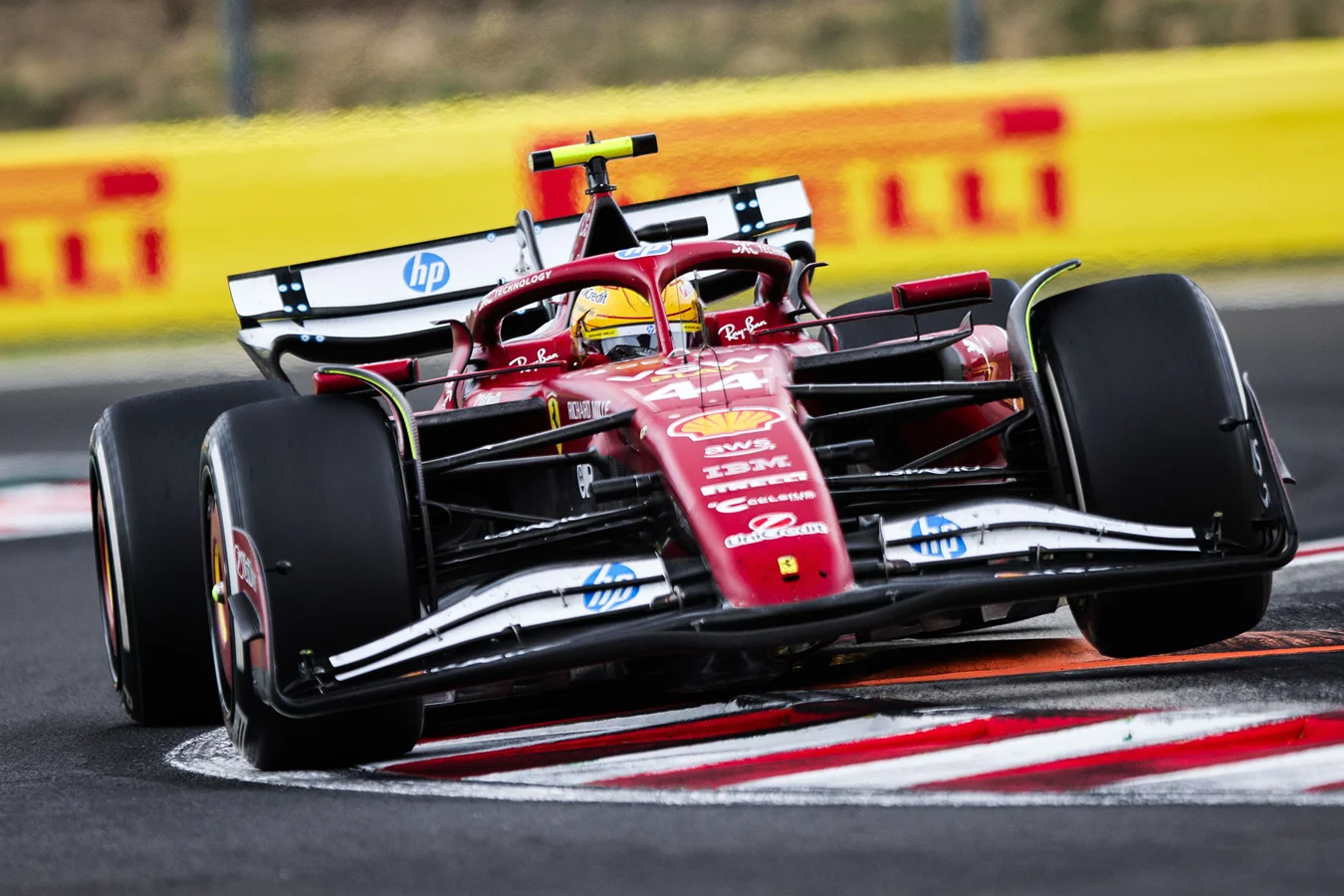
Looking towards 2026, redesigned regulations promise cars with flatter bottoms and narrower tires, which theoretically should help reduce spray and improve visibility in wet weather. However, the urgency of addressing the current dangers remains pressing as teams and governing bodies continue their discussions on immediate solutions.
Drivers’ Calls for Immediate Action and Technical Innovations
Pierre Gasly has been outspoken about the necessity for prompt assessment and action. He highlighted that while innovations such as closed-wheel designs and extensive testing are potential avenues to reduce spray, the current wet tire compounds become less effective when visibility improves, creating a problematic cycle.
“We know the spray is definitely not great with these cars,”
Gasly said, before adding,
“At the moment, when the visibility is fine, there’s no need for the wet tire. It’s a bit of a chicken-and-egg kind of thing and they need to work on that.”
Lance Stroll shared Gasly’s views on the escalating problem. He pointed out that the increased size of modern F1 cars and their tires has directly contributed to worsening spray, presenting the greatest challenge for driver visibility today.
“I think the cars have gotten big, the tires have gotten bigger, the spray has gotten worse over the years. Visibility is the biggest issue now,”
Stroll explained, emphasizing the intense difficulty drivers face racing through thick spray at critical corners with limited sightlines.
The Critical Need for Solutions to Protect Drivers and Preserve Wet-Weather Racing
With the racing community closely monitoring the situation, calls for decisive action are growing louder. The safety of drivers and the future of wet-weather competition in Formula 1 depend on finding effective solutions to this visibility crisis. As discussions continue and new car designs are planned for coming seasons, the sport faces a pivotal moment in ensuring that wet-weather racing remains both thrilling and safe. The urgency is clear: driver safety cannot be compromised, and swift innovations are essential to resolve this escalating problem.