
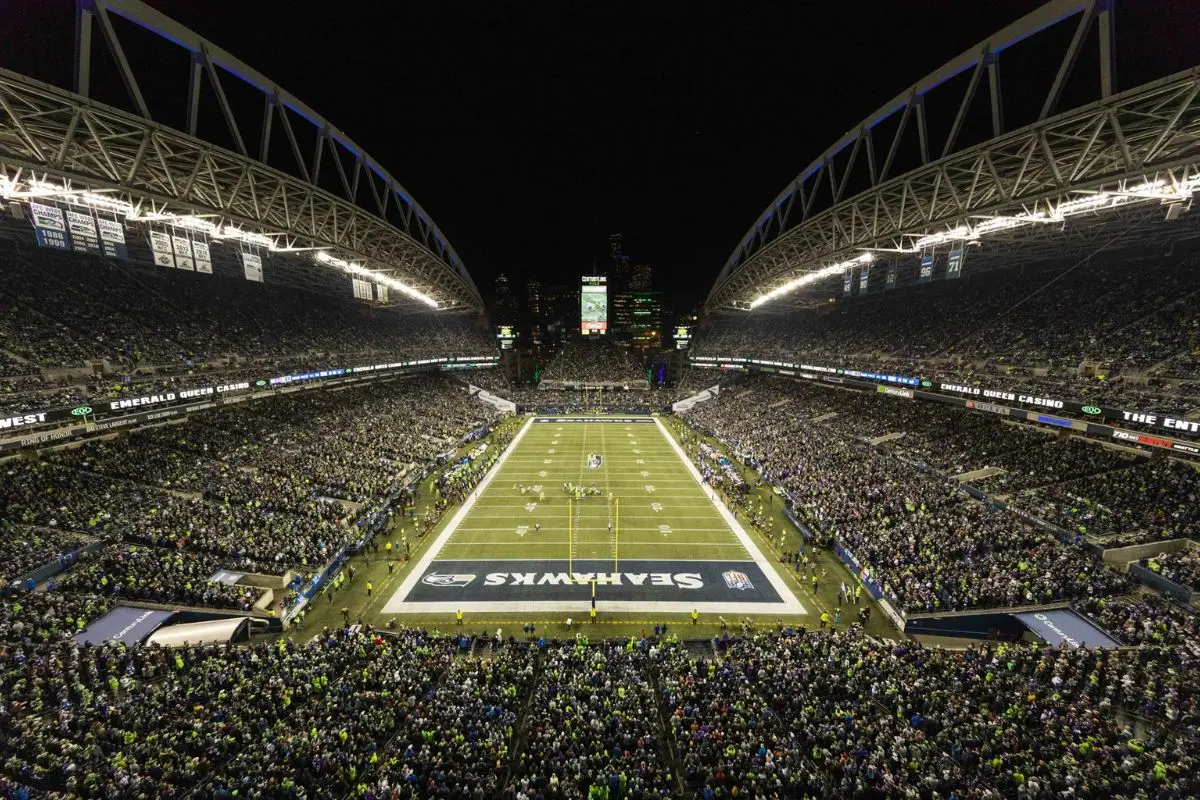

The National Football Conference (NFC) is home to some of the most legendary stadiums in professional football. These venues are more than just places where games happen; they represent history, passion, and fan culture that define the NFL experience. Among these stadiums, Lambeau Field and AT&T Stadium stand out for their unique identities, each offering a distinct atmosphere that enhances the spectacle of NFC football. Their stories are key to understanding the connection between teams and their fans.
Key Highlights
- Lambeau Field is the oldest NFL stadium and known as the “Frozen Tundra” for its historic cold-weather games.
- AT&T Stadium features the largest retractable roof and one of the world’s biggest high-definition video boards.
- Soldier Field, Lincoln Financial Field, Lumen Field, and MetLife Stadium each add unique traditions and fan cultures.
- NFC stadiums greatly influence game-day energy through fan participation, tailgating, and atmosphere.
- These venues serve as cultural landmarks that inspire local pride and contribute to the league’s identity.
Lambeau Field: The Frozen Tundra of Green Bay
Opened in 1957, Lambeau Field is a pillar of NFL tradition. Home to the Green Bay Packers, it carries the nickname “Frozen Tundra,” which stems from the brutal cold games played there, most famously the 1967 Ice Bowl. This stadium is not only the oldest in the NFL but also a symbol of resilience and historic football moments. The fan experience at Lambeau Field is unlike any other, fueled by some of the most devoted fans in sports.
Tailgating here is legendary, often happening in freezing temperatures but never losing its energy or camaraderie. Inside, the stadium blends old-school charm with modern updates, including a Hall of Fame and team museum that attract visitors year-round. On game days, chants of “Go Pack Go” echo through the stands, making it a must-visit for football lovers.
AT&T Stadium: The Modern Marvel of Dallas
In contrast, AT&T Stadium in Arlington, Texas, opened in 2009, is a showcase of cutting-edge technology and scale. Nicknamed “Jerry World” after owner Jerry Jones, it boasts the largest retractable roof in the NFL and a massive high-definition video board that spans from one 20-yard line to the other, delivering unmatched visuals.
The venue offers luxury suites, club seats, and wide concourses to comfortably host over 80,000 fans, with additional standing-room capacity. Its design allows for both indoor comfort and open-air enjoyment when the roof is retracted, perfect for Texas weather. Beyond football, AT&T Stadium is a major entertainment hub, hosting concerts and college football classics, reflecting the Cowboys’ national brand image of grandeur and ambition.
Other Iconic NFC Stadiums and Their Contributions
Lambeau and AT&T represent two ends of the stadium spectrum, but other NFC venues are equally important to the league’s culture. Soldier Field in Chicago, the NFL’s oldest stadium originally opened in 1924, features Roman Colosseum-inspired architecture and a loyal fanbase despite a long Super Bowl drought.
Lincoln Financial Field in Philadelphia, known as “The Linc,” is famed for its passionate “Eagles Nation,” whose relentless chants and tailgates create one of the NFL’s most intense atmospheres. Lumen Field in Seattle is renowned for its deafening crowd noise amplified by its architecture, earning the nickname “The 12th Man” and providing a formidable home advantage.
MetLife Stadium in New Jersey, shared by the Giants and Jets, is a state-of-the-art venue in one of the country’s largest media markets. It stands as a symbol of scale and modern comfort, playing a key role in the NFC landscape.
Impact on Game-Day Culture
These stadiums are more than just football venues; they shape the very culture of NFC game days. Lambeau’s frozen conditions tell stories of toughness, while AT&T’s grandeur symbolizes spectacle. The energy generated by Eagles fans or Seattle’s crowd noise can sway momentum and intimidate opponents.
Tailgating traditions vary widely—from braving harsh cold in Green Bay, to Texas-style barbecues at AT&T Stadium, to spirited chants in Philadelphia—each venue fosters a unique community spirit that enriches the fan experience beyond the gridiron.
These stadiums also boost local economies and serve as cultural institutions, connecting fans through a shared love of football and pride in their teams. They help define the NFL as America’s premier sport and keep fans engaged season after season.
News in Brief: Iconic NFC Stadiums
The NFC features some of the NFL’s most iconic stadiums, each adding unique atmosphere and tradition to game days. Lambeau Field, known as the “Frozen Tundra,” is the oldest stadium and a symbol of football history. AT&T Stadium offers cutting-edge technology and grandeur, reflecting the Dallas Cowboys’ brand. Other key venues like Soldier Field, Lincoln Financial Field, Lumen Field, and MetLife Stadium contribute distinct fan cultures. These stadiums shape the NFC’s identity and create unforgettable experiences.
ALSO READ: How Jared Verse and Other Transfers Are Changing College Football’s Future Forever