
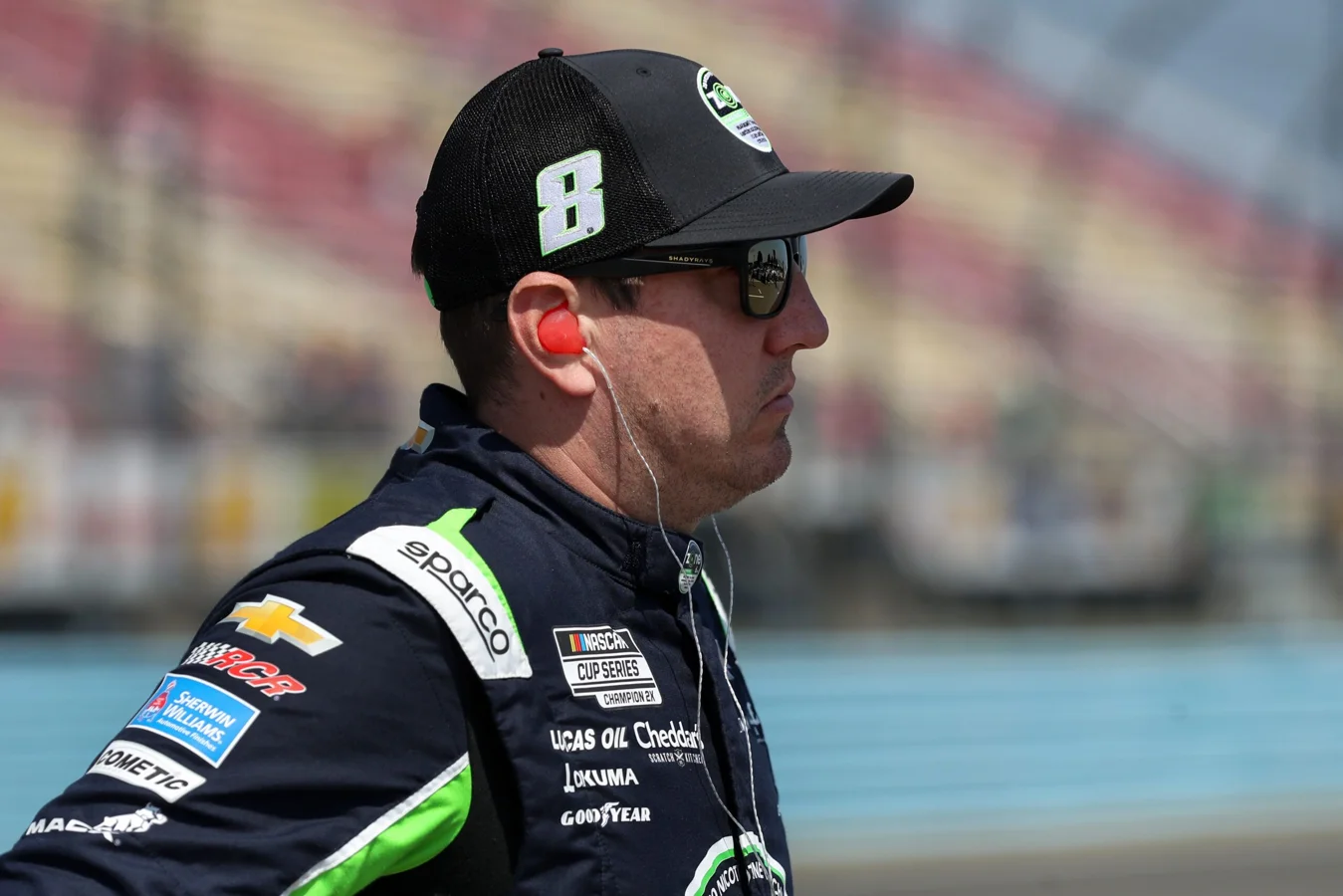

Kyle Busch, a two-time NASCAR Cup Series champion, has openly criticized the sport for losing its appeal, attributing the steep drop in viewership to NASCAR becoming too safe and experiencing a cultural shift. Busch believes the sport’s dangerous and unpredictable nature, which once attracted fans, has been diluted, contributing to a significant decline in interest.
The Decline of NASCAR’s Thrilling Danger According to Kyle Busch
Busch expressed frustration about how NASCAR has changed, insisting that safety regulations, while necessary, have removed the excitement associated with real risk. He told Jeff Gluck in an interview with The Athletic’s 12 Questions,
“Now it seems like everything is neutered.”
Busch pointed out that following his own serious injuries in a 2015 crash, where he suffered a compound leg fracture and broken foot, the sport has seen fewer visible dangers.
“I got hurt in 2015, so I can talk, but nobody really gets hurt. The safety aspect isn’t there. So there’s not this Evel Knievel type thing happening anymore. It’s just going to watch a race on Sunday, and people feel like that’s boring,”
Busch said.
Previously, fans tuned in not only for the competition but also because of the unpredictable thrills and real dangers drivers faced. Busch noted,
“A little bit of it, too, was back in that day, guys were getting hurt, the speeds were getting faster, cars were getting a little bit safer, obviously we lost Dale, but there was this sense of ‘What are these guys going to do next? What’s this next crash going to look like? Are they going to come out of it OK?’”
This shift is reflected in declining ratings for the Cup Series, which averaged around 2.71 million viewers in 2025, down from 3.07 million in 2024. Despite NASCAR’s efforts to expand its digital presence and maintain media deals, television viewership continues to shrink by roughly 11 to 14 percent.
Kyle Busch Attributes Fan Loss to Broader Cultural Changes
Beyond safety improvements, Busch points to a more profound cultural problem affecting NASCAR’s popularity. He believes the sport is struggling to stay relevant as the demographics and interests of potential fans evolve.
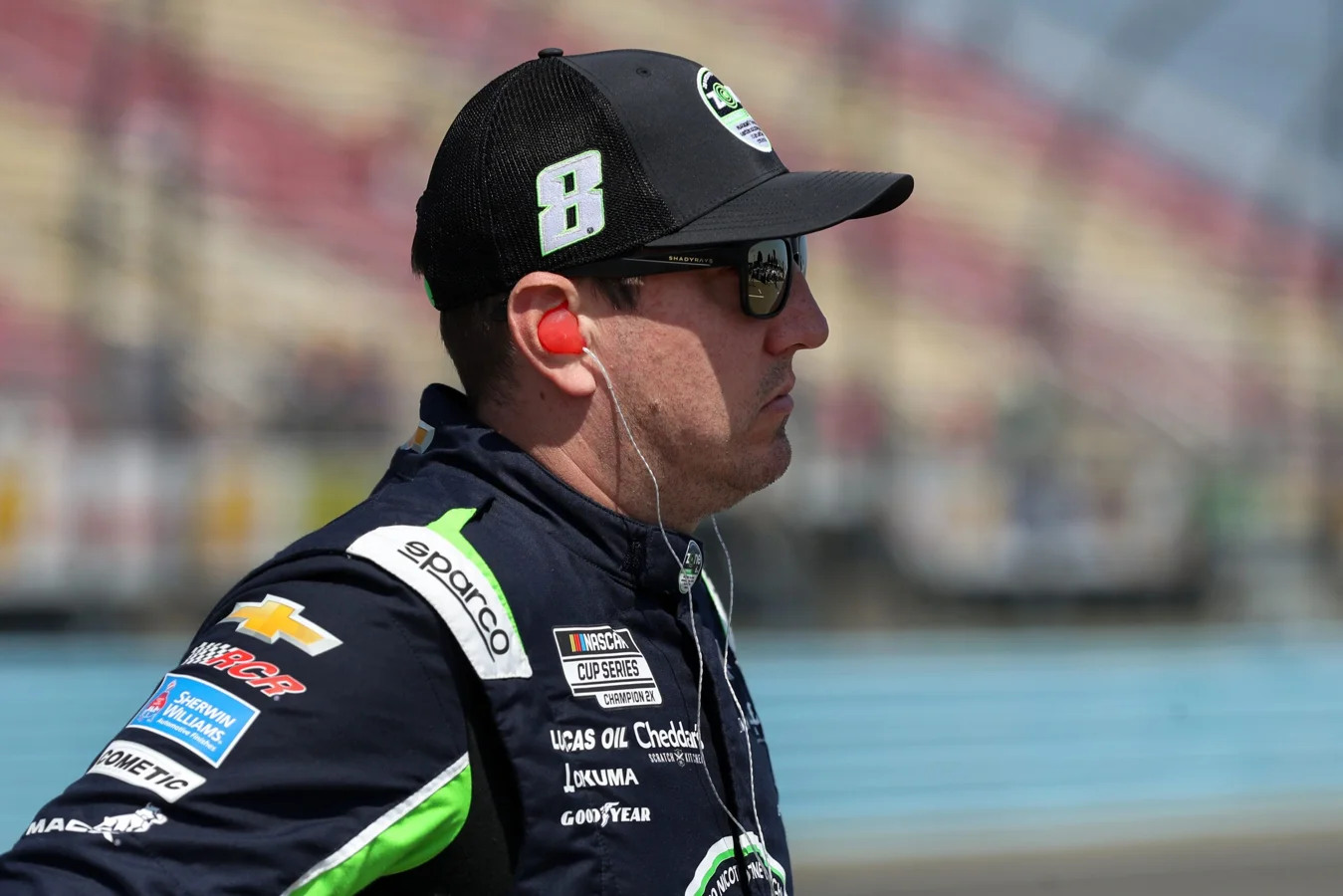
“I think it’s a culture problem, and I say that in regard to the world culture,”
Busch explained.
“In the ’80s and ’90s, you had a bunch of Hot Rod guys who were cool with souping up their 1970s, 1980s street rods. A lot of those guys are aged out.”
The community of enthusiasts who once formed NASCAR’s core audience, often gearheads passionate about car mechanics and speed, is diminishing. NASCAR once dominated Sunday afternoons, captivating families and devoted fans, but now faces competition from countless entertainment alternatives unavailable during its heyday.
Busch also highlighted how these changes impact family engagement with the sport.
“I just think the problem we’re running into is there’s not a lot of race fans anymore,”
he said.
“People would always bring their kids to the track, but now there are just so many other things people can do otherwise. Going to the lake, taking your kids to a bounce house.”
This generational shift means younger audiences tend to prefer instant entertainment and interactive digital media rather than spending hours watching traditional races. NASCAR’s transformation from a high-risk spectacle to a more sanitized sport may have unintentionally distanced longtime fans while failing to attract newer ones.
The Future Challenges for NASCAR’s Fan Base
Kyle Busch’s candid remarks expose a critical crossroads for NASCAR as it tries to balance enhanced safety with the engaging unpredictability that historically defined the sport. The cultural changes he identifies intensify the challenge of appealing to a broader, younger audience in an age of abundant distractions.
With declining television ratings and shifting fan demographics, NASCAR must consider whether new strategies can restore some of the excitement and edge that once made it America’s premier motorsport, or if the sport’s identity is irrevocably changing. How NASCAR adapts to these pressures will likely determine its ability to regain lost fans and ensure long-term relevance.