
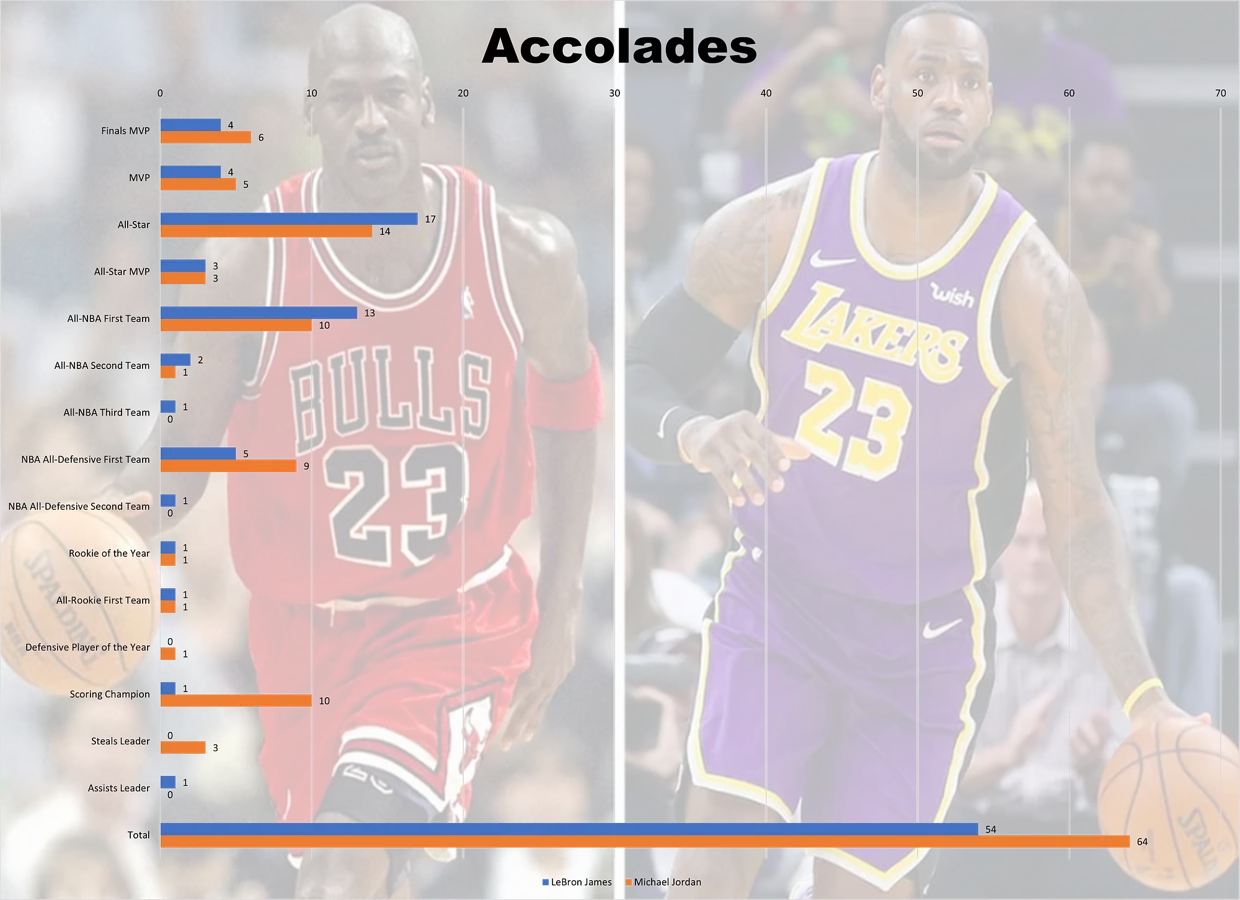

Stacey King, a three-time NBA champion with the Chicago Bulls, has voiced strong criticism of LeBron James and Kevin Durant amid the ongoing LeBron James legacy controversy debate. King accused both superstars of undermining legends like Michael Jordan by aggressively promoting their own greatness, which he views as disrespectful and unnecessary.
King’s remarks came after Durant’s recent appearance on Mind the Game, a podcast hosted by LeBron James and JJ Redick. The conversation focused on what defines greatness in the NBA, including topics such as legacy and longevity, but also included subtle critiques of Jordan’s era and accomplishments that King found objectionable.
King Responds to the Debate on Legacy and Longevity in the NBA
During his appearance on the Gimme the Hot Sauce podcast, King challenged the narrative set by Durant and James, accusing them of attempting to elevate themselves by diminishing past legends. According to King, truly great players allow fans and analysts to determine their legacy without self-promotion.
Great players don’t have to tell people they’re great, you let the fans do that, you let talk radio and podcasts debate it,
King said.
Everybody already knows. When you have to go around trumpeting your greatness and trying to separate yourself from others by tearing them down, that’s a problem.
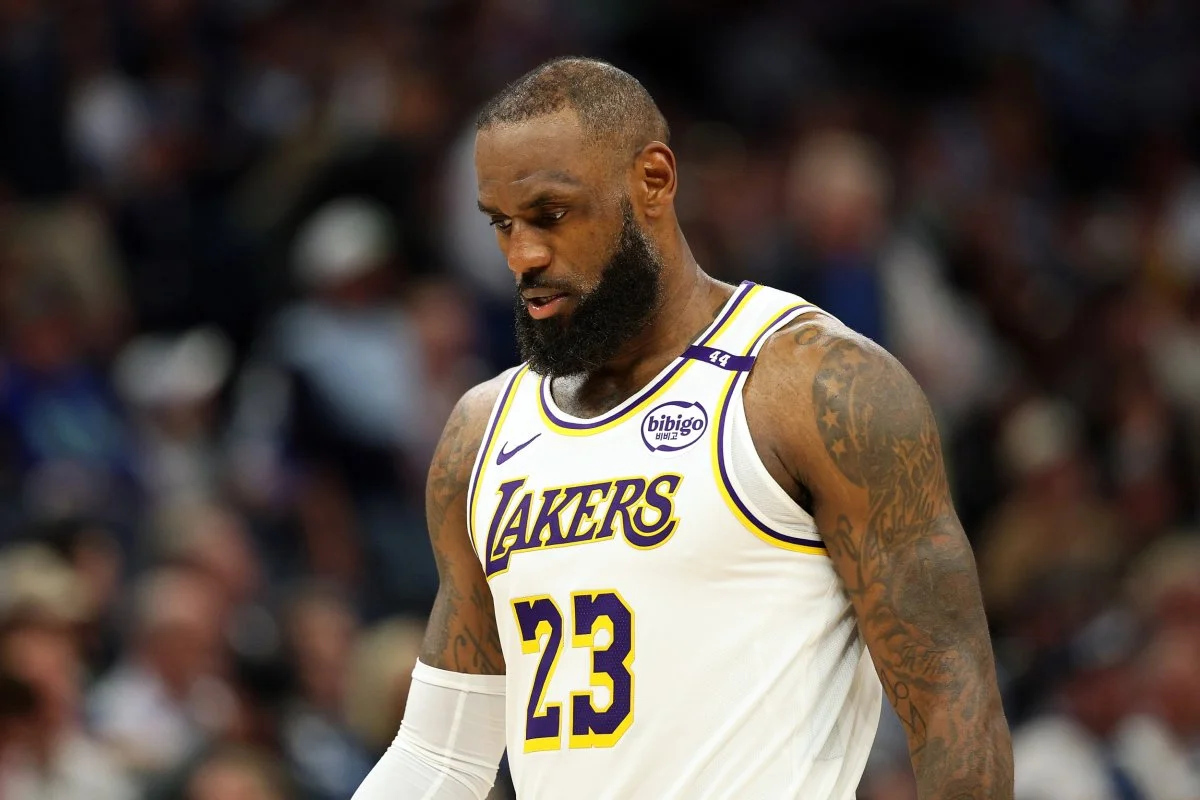
King also questioned Durant’s assertion that longevity matters more than championships, highlighting what he described as selective storytelling that ignores factors like load management.
Sure, being in the league 20 plus years takes dedication and hard work,
King acknowledged.
But he left out the part about load management. LeBron’s only played a full 82-game season once in his career. Michael Jordan did it nine times, and with playoffs and championships, that’s over 115 games in a year. That’s a different grind.
Stacey King Addresses Kevin Durant’s Championship Legacy and Role in Golden State
King further criticized Durant for downplaying the contributions of past greats while overlooking the advantages Durant has had, particularly during his time with the Golden State Warriors. According to King, Durant’s championship successes are closely tied to Stephen Curry’s presence on the team.
He don’t win any championships if it wasn’t with Steph Curry,
King asserted.
Golden State won before he arrived, and they won after he left. Steph even sacrificed his own game to let KD shine, because all he cared about was winning. But KD’s ego couldn’t handle people saying he had to join the Warriors to win.
King drew a contrast between Durant and James, noting that James won an NBA title with the Cleveland Cavaliers largely as a standalone star, while Durant’s stints with other teams like the Brooklyn Nets and Phoenix Suns have not yielded similar successes.
King Challenges LeBron James’ Comments on Championship Rings and Historical Context
Stacey King also reacted strongly to LeBron James’ controversial statement suggesting that “rings don’t matter.” King emphasized the importance of championships in measuring greatness and defended legendary players such as Bill Russell and Michael Jordan against recent narratives.
You can’t discredit Bill Russell or anyone with multiple championships,
King said.
You also can’t twist history about Michael Jordan leaving to play baseball. If you knew your history, you’d know he did it because it was his father’s dream, right after his father’s tragic death.
King highlighted that Jordan left the NBA at his peak to pursue minor league baseball as a tribute to his late father, and upon his return, remained the league’s best player. King added that Jordan could have surpassed Kareem Abdul-Jabbar’s all-time scoring record had he played a comparable number of seasons without interruption.
Implications of King’s Comments on the Ongoing Legacy Debate
Stacey King’s outspoken remarks underscore the tension surrounding the LeBron James legacy controversy debate, reflecting a wider disagreement over how greatness should be measured in the NBA. By defending Michael Jordan’s era and accomplishments, King challenges current stars to reconsider the way they engage with history and legacy.
This dispute highlights the evolving standards and criteria fans and analysts use to evaluate players across generations, involving debates on championships, longevity, individual achievements, and the impact of modern strategies like load management. How James, Durant, and others respond to such criticism may shape future discussions on NBA legacies.