
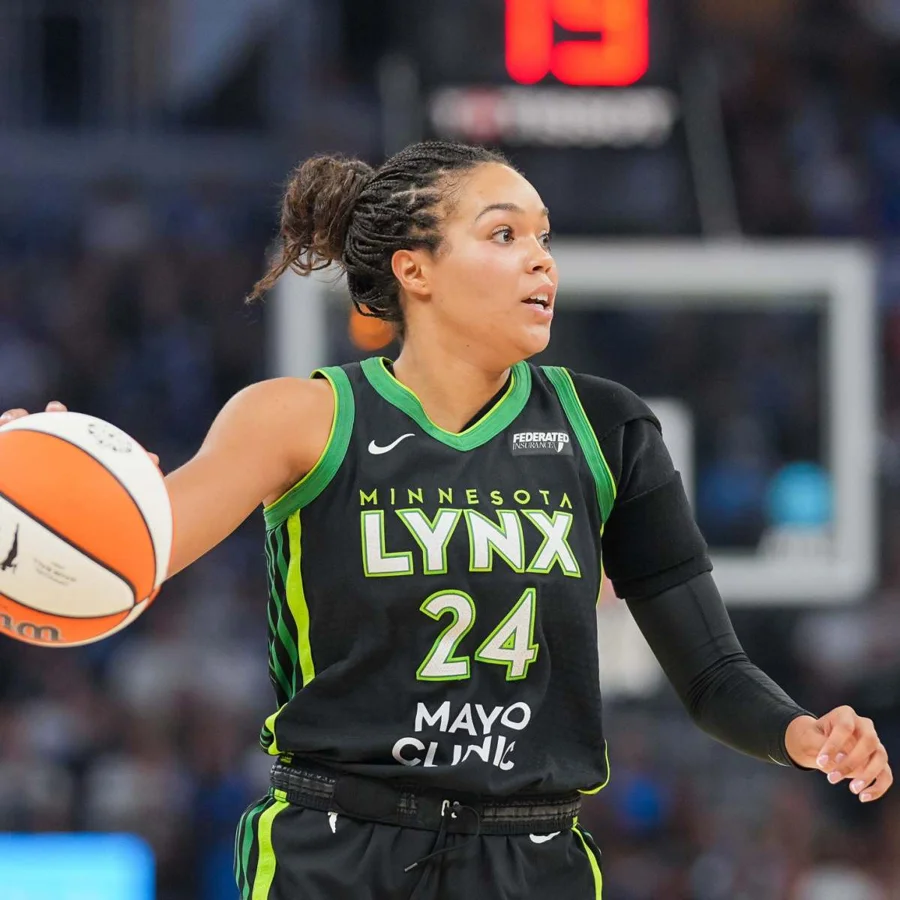

The WNBA’s MVP race this season features Napheesa Collier, Alyssa Thomas, and A’ja Wilson, rather than Caitlin Clark, who many had expected to contend for her first MVP award. This shift highlights the evolving dynamics within the league as its popularity continues to rise. Napheesa Collier’s presence in the WNBA MVP race is particularly notable, with her increasing influence drawing attention to the league’s expanding fan base.
Indiana Fever guard Caitlin Clark attracts millions of new viewers to the WNBA, but when she was sidelined due to injury, ratings plummeted by half. While this decline signals dependency on certain stars, the league aims to foster sustained growth by amplifying competition among multiple top players, including Wilson, Collier, and Thomas.
A’ja Wilson’s Role in Defining Excellence in Women’s Basketball
Las Vegas Aces star A’ja Wilson continues to solidify her standing as the best player in the world through exceptional performance. After leading Team USA to a gold medal and breaking records en route to her third MVP title, Wilson faced criticism from some of Caitlin Clark’s supporters, who blamed her dominant play for the Aces’ playoff loss against the New York Liberty. Critics argued that her individual focus overshadowed team success.
Despite initial doubts about her place in this season’s MVP conversation, Wilson prioritized team chemistry before fully resuming her dominant role on the court. Her current winning streak with the Aces reflects both her skill and leadership. Fans who primarily follow Clark may find value in observing Wilson’s daily excellence, enhancing appreciation for her impact on the sport.
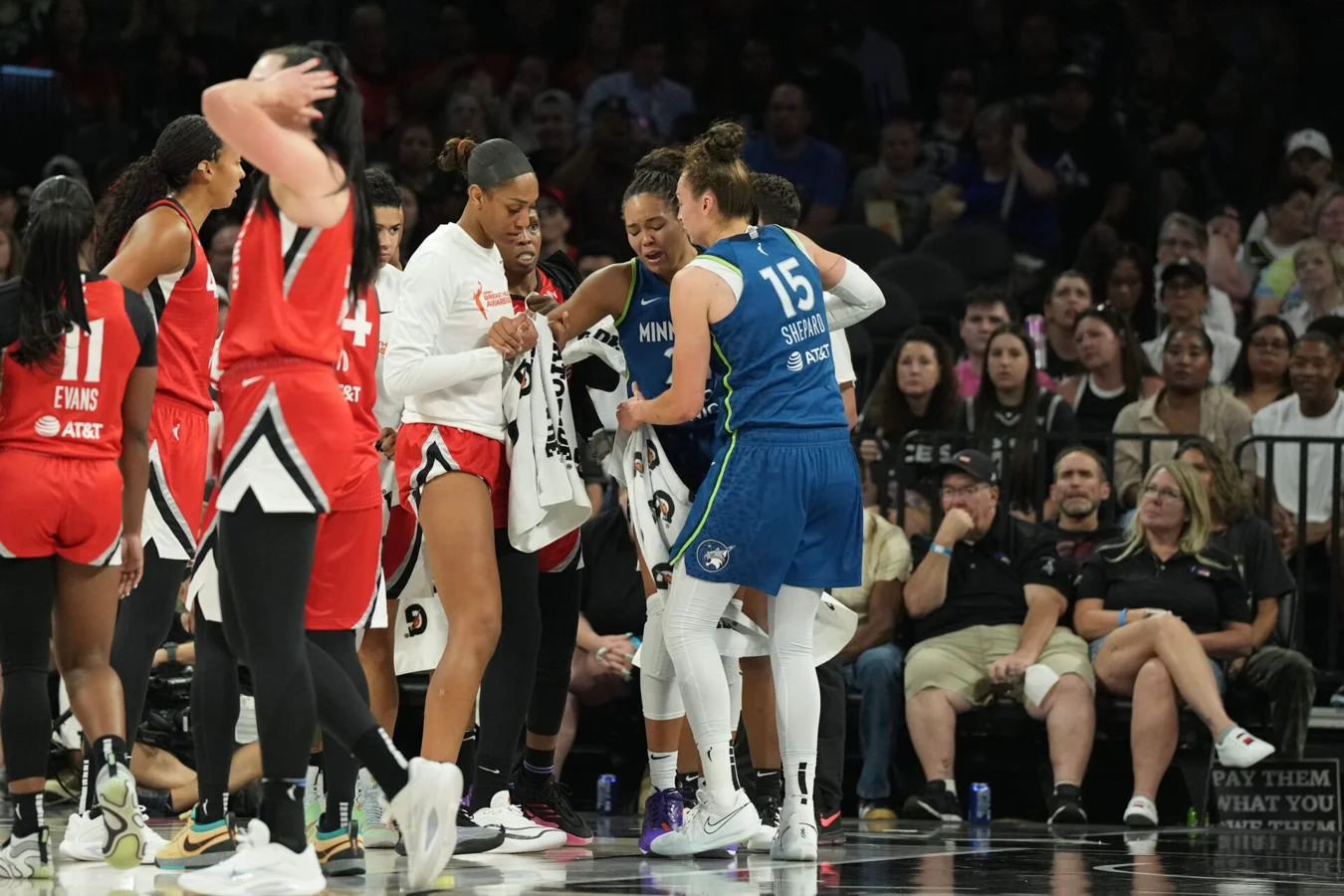
The Growing Influence of Napheesa Collier in the MVP Contest
Napheesa Collier’s rising popularity has become an asset to the WNBA’s broader appeal. The camaraderie between Collier and Caitlin Clark, evident during All-Star weekend, has helped bridge previous divides between their fan bases. Collier’s strong connection with Clark and other players translated into over a million fan votes for the All-Star game this season.
Before an injury briefly benching her, Collier proved she was playing at an elite level. As she returns, expectations build that she will continue her pursuit of the league’s MVP honor, especially if the Minnesota Lynx make a push for the WNBA Finals. Sustained viewership tied to her performance could help offset last season’s drop in ratings when Clark was unavailable.
Alyssa Thomas’s Emergence Adds Depth and Balance to the League
Alyssa Thomas is establishing herself as a prominent force in the WNBA, despite scrutiny from some Caitlin Clark fan groups after a recent on-court incident involving her fiancé and former Fever player DeWanna Bonner. Critics accuse Thomas of boosting her statistics unfairly, especially in recording multiple triple-doubles. Nevertheless, her consistent excellence in scoring, rebounding, and playmaking—alongside other All-Stars on her team—demonstrates her true value.
Should Thomas win MVP, she may continue to face detractors, but her rise is critical for the league’s growth. Expanding the roster of elite superstars beyond a handful is essential for attracting diverse fan interest. Historically, leagues with multiple standout players, like the <a href=”https://www.buzzineintl.com/category/basketball/nba/”>NBA, enjoy greater popularity and commercial success.
In recent years, the WNBA spotlight has centered on stars such as A’ja Wilson and Breanna Stewart. While Caitlin Clark’s emergence has added to that mix, the addition of Napheesa Collier and Alyssa Thomas as legitimate MVP contenders signals a more competitive and engaging league—with stronger rivalries that can captivate fan attention.
Impact and Future of the WNBA’s Evolving MVP Race
The current three-way contest between A’ja Wilson, Napheesa Collier, and Alyssa Thomas is not only reshaping individual achievements but also driving league-wide momentum. This robust rivalry encourages a basketball-focused viewership rather than dependence on one player alone, contributing to more balanced fan engagement.
With the WNBA continuing its growth trajectory, the presence of multiple stars competing for the MVP award could strengthen the league’s financial stability and viewership numbers. Fans may witness increased intensity on the court, compelling narratives, and elevated levels of competition that make the sport more thrilling to watch.
As these players battle for distinction, the league’s reputation as a highly competitive professional environment will solidify, helping to attract sponsors, media attention, and new supporters. Napheesa Collier’s role in this vibrant MVP race highlights how critical diverse superstar talent is to the WNBA’s ongoing success.