
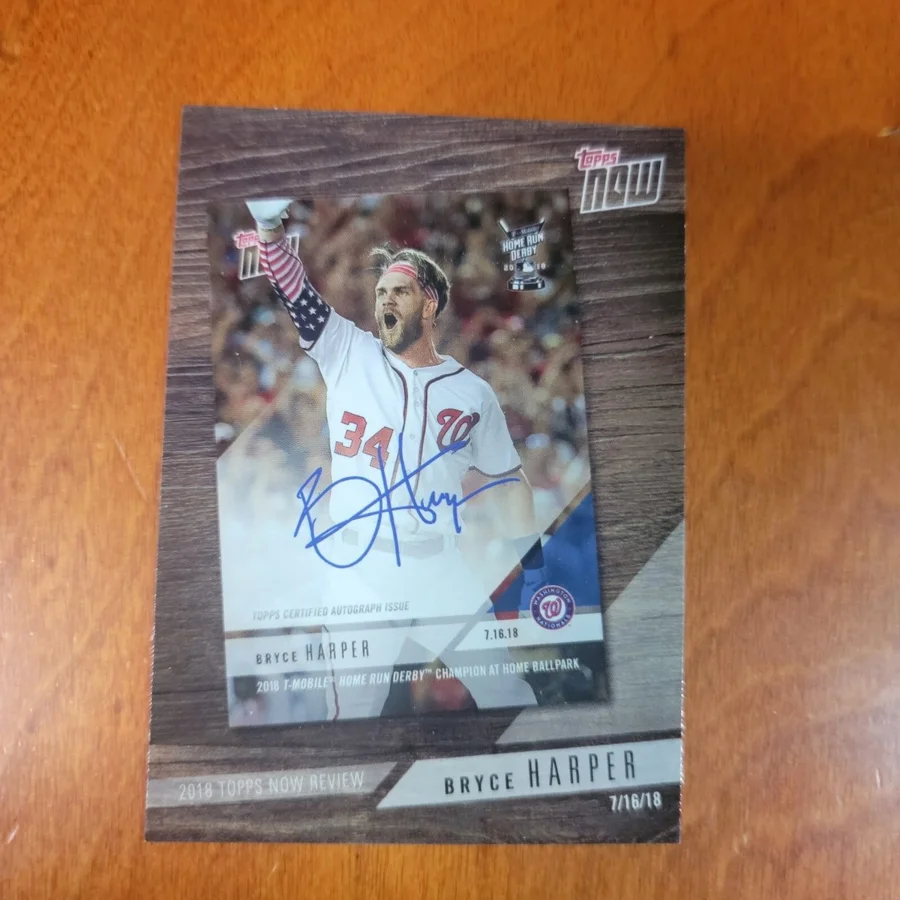

Philadelphia Phillies star first baseman Bryce Harper has recently developed an interest in baseball card collecting, surprising fans and teammates alike. This change comes as Harper, a two-time National League Most Valuable Player, embraces the hobby during the 2025 season, encouraged by a knowledgeable teammate within the Phillies organization.
Harper’s teammate, pitcher Matt Strahm, an enthusiastic collector of baseball cards and sports memorabilia, has taken on the role of mentor to Harper in this new venture. Strahm, known for sharing his collecting experiences on his YouTube channel, has been instrumental in introducing Harper to the baseball card community and offering guidance on building a collection.
Matt Strahm Supports Harper’s Newfound Passion for Collecting
Strahm actively engaged the baseball card community on social media, reaching out to collectors who might be interested in trading rare Bryce Harper cards for his game-used items. On the platform X, formerly known as Twitter, Strahm wrote:
Anyone with low pop/rare Harper cards that is interested in trading him game used memorabilia (batting gloves, bats, cleat) for them comment the card below. Going to help get his collections started. @Topps @TheCardLifeTV
—Matt Strahm, Phillies pitcher
His initiative was aimed at helping Harper quickly amass a meaningful selection of keepsakes as he steps into this unfamiliar but growing hobby.
Harper Reflects on His Changing Views Toward Collecting and Keepsakes
Despite his late start, Harper acknowledges that his interest in collecting stems in part from regret over discarding memorable items earlier in his career. Since entering Major League Baseball at 19, Harper rarely paid attention to preserving mementos, but now, with over a decade of professional experience, he sees value in holding onto such treasures.
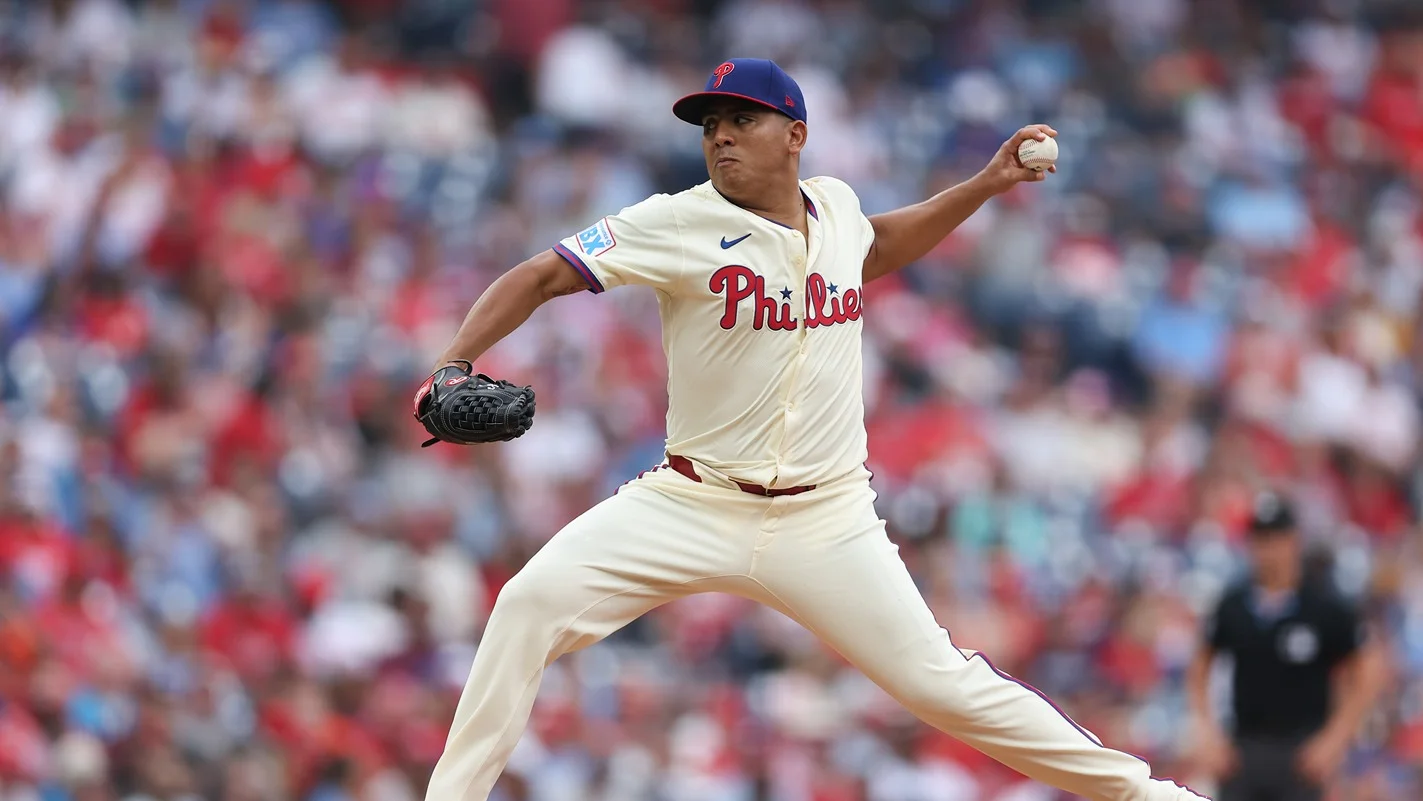
Harper revealed,
I never collected cards growing up or anything like that,
and added,
My dad definitely had baseball cards and stuff, but I never really collected them.
He further explained his general disinterest in autographs and signed memorabilia, stating:
I’m not super into getting stuff signed — I’ve just never really been into that,
and,
Like I don’t ask guys for bats or cleats or gloves or jerseys or stuff like that. I’ve thought about certain things that I’d maybe want, but I don’t keep a lot of my stuff.
Harper’s preference is to collect unautographed items, focusing on genuine and personal memorabilia rather than signed collectibles.
A Veteran Player’s Perspective on Legacy and Memorabilia
The shift in Harper’s collecting habits may reflect a broader awareness of his career’s trajectory as a veteran in professional baseball. At 32 years old, having played in the Majors for more than a decade, Harper is beginning to consider the significance of preserving his career milestones for the future.
Many MLB veterans experience similar transitions, developing collections of keepsakes they intend to pass down to their children or grandchildren. Harper’s wife has encouraged him to keep more of his memorabilia, highlighting the sentimental value it may hold for their family. Harper shared:
Honestly, I wish I would have more when I first got to the big leagues. I threw away so much stuff. You know, just like tossed it in the trash and didn’t even think about it. My wife always talks to me about it, she’s like, ‘What are you doing? Keep this stuff, it’s really cool to have and [our kids] might want it.’
Looking Ahead: Harper’s Growing Collection and Its Future Impact
As the Phillies continue their push for another National League East Division title, Harper’s newfound enthusiasm for collecting will allow him to preserve moments from his career in tangible form. While he may not have embraced baseball card collecting or memorabilia in his early years, his current focus indicates a desire to build a personal archive of keepsakes that capture his legacy.
With Matt Strahm’s ongoing support and connections within the hobby, Harper’s collection is likely to grow, generating excitement amongst fans who follow his career both on the field and through these personal mementos. This transition underscores how professional athletes can develop new interests over time that reflect both their career stages and personal growth.