
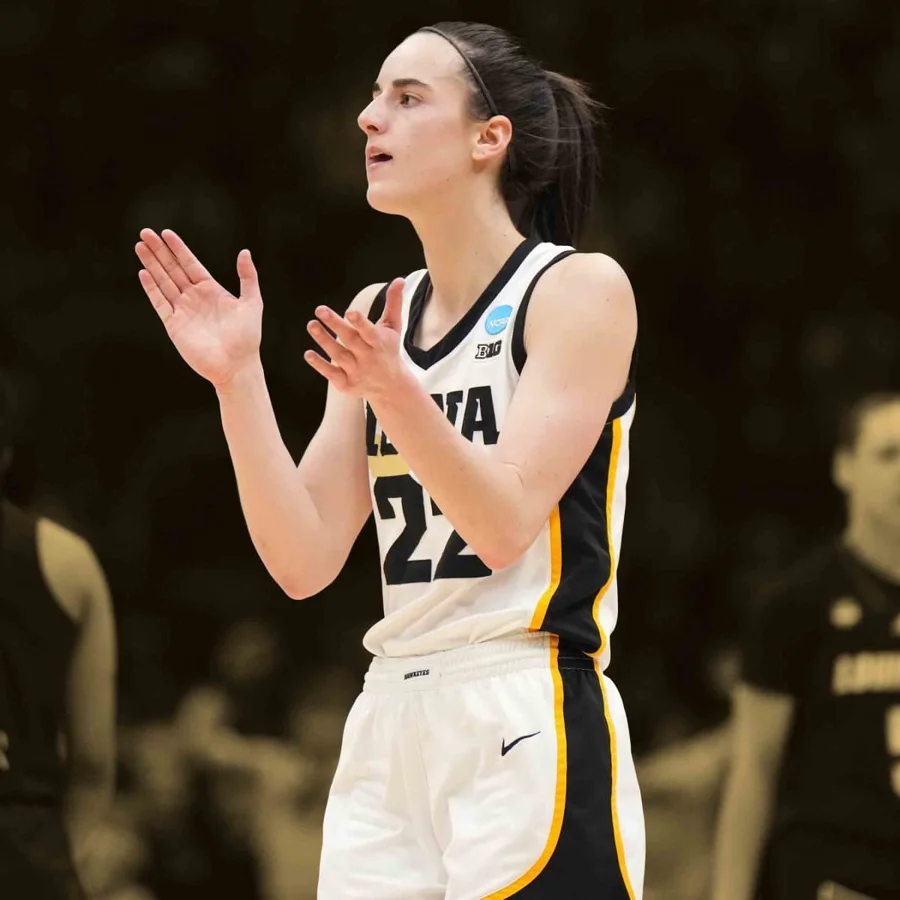

The WNBA‘s attempt to capitalize on the growing Caitlin Clark WNBA rivalry impact by staging a high-profile ‘Rivals Week’ in August has struggled to gain traction, as injuries and artificial matchups have undermined the league’s efforts. Key games, including a much-anticipated showdown between the Chicago Sky and Indiana Fever on August 9, lacked the expected intensity and star power after Clark and rival Angel Reese both missed the contest due to injuries.
The Struggles of WNBA’s ‘Rivals Week’ Initiative
Cathy Engelbert, the WNBA commissioner, had envisioned ‘Rivals Week’ as a strong marketing push to highlight the league’s most intense matchups, reviving historic team rivalries and showcasing marquee players like Caitlin Clark and Angel Reese. The Chicago Sky vs. Indiana Fever game was intended to be the centerpiece, banking on the compelling narrative between Clark and Reese, who represent the league’s brightest young stars. Additional games included renewed contests between the Atlanta Dream and Phoenix Mercury, as well as a repeat of last season’s finals match-up between the New York Liberty and Minnesota Lynx.
However, the week began with a disappointing turnout in terms of excitement and fan engagement. With Clark and Reese sidelined, the Fever’s dominant win over Chicago lacked the star-driven rivalry that was supposed to captivate audiences. The Chicago Sky continued to struggle offensively, especially from beyond the three-point line, while the Fever maintained their usual high-tempo play style. The clash failed to deliver on the excitement promised by the league’s promotional efforts.
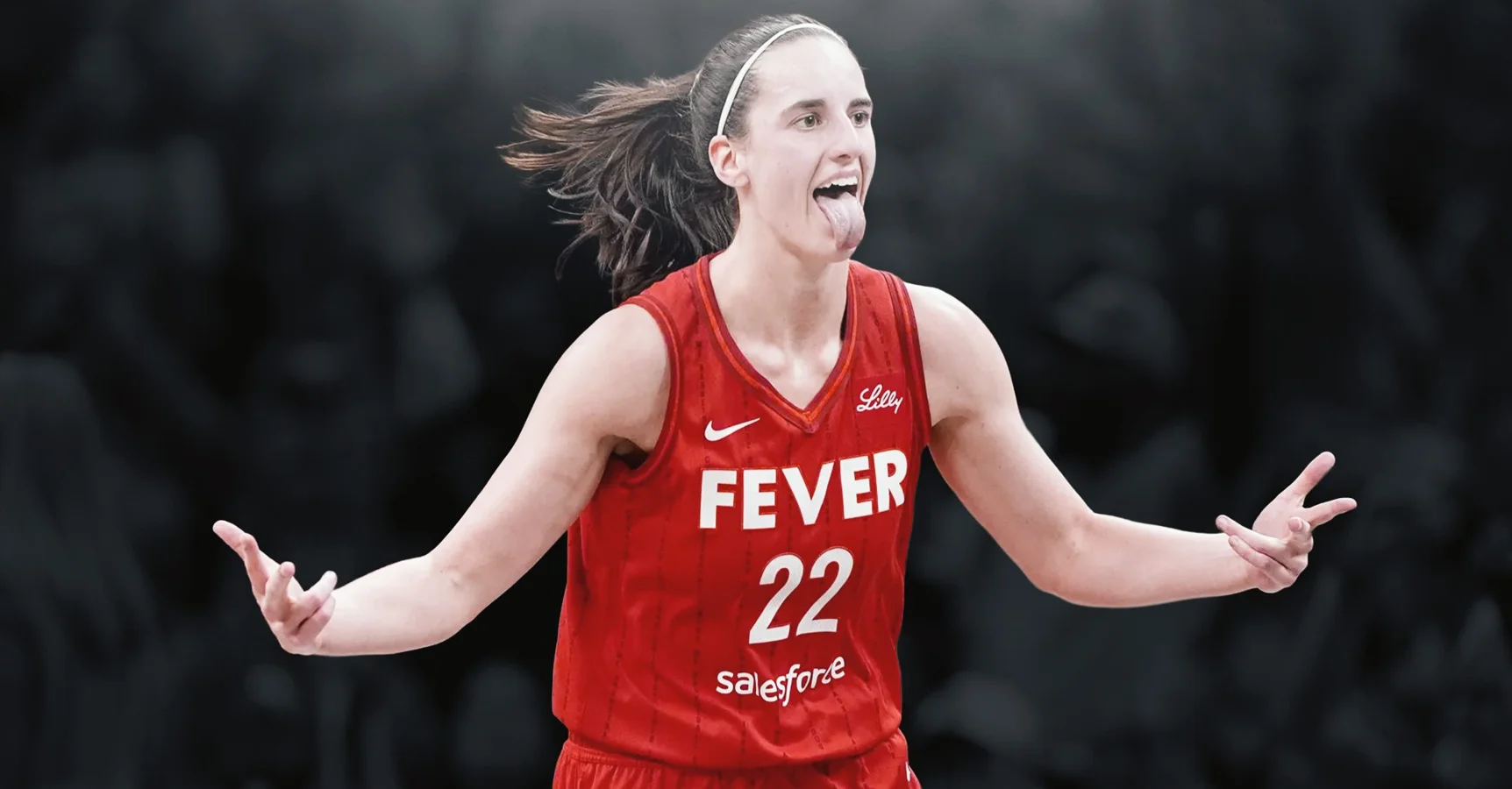
On “The Women’s Hoops Show,” co-hosts Jordan Robinson and Autumn Johnson expressed skepticism over the week’s premise. Robinson questioned,
“The league announced this rivalry week at the beginning of the season and everyone was like, okay, is this just a way to put in the Fever and the Chicago Sky game not being by itself? So you just made up other rivalries to get in there?”
Autumn Johnson added,
“And then the Fever Chicago Sky happened, Caitlin’s not playing, Angel’s not playing, so it didn’t make any headlines. Were these rivalries, Autumn? I don’t know.”
These comments highlight a critical challenge for the WNBA: establishing authentic rivalries in an environment where rosters frequently shift due to trades, waivers, and signings. Unlike leagues with longer-tenured player rivalries, the WNBA struggles to anchor narrative-driven games around consistent player and team matchups.
Player Turnover Undermines Rivalry Continuity
The dynamic nature of WNBA rosters makes maintaining ongoing team rivalries difficult. Players such as those on the New York Liberty and Minnesota Lynx have seen substantial offseason changes, altering the landscape and weakening any continuity from previous seasons. Natasha Cloud, a player for the Liberty, has remarked on the differences between last season’s teams and the current squads. Robinson and Johnson agreed with her observation during their discussion, noting,
“But I like how Natasha [Cloud] brought it like this is these are completely different squads when you look at the Lynx and Liberty and who they’ve um acquired during the off-season and how they’re playing now.”
They added,
“What we saw last year is completely different from what we’re seeing in this current moment.”
This fluidity among rosters means that rivalries, especially those framed around teams rather than individual stars, often fail to develop organically or maintain momentum. As a result, manufactured rivalry weeks, while well-intentioned, risk appearing forced and unconvincing to both fans and players.
Injuries Expose Weakness in the WNBA’s Rivalry Strategy
Injuries to Caitlin Clark and Angel Reese have compounded the difficulty of presenting compelling matchups. Clark, in particular, has been central to the WNBA’s recent surge in popularity, with her performances attracting widespread attention and respect beyond women’s basketball circles. The absence of such pivotal figures during key games undercuts the excitement the league attempts to generate around these rivalries.
Engelbert’s effort to promote the league through rivalry narratives has therefore fallen short. Fans often resist attempts to manufacture storylines that do not feel authentic or engraved in real team competition history. With Clark sidelined, the Fever’s star-driven narrative lost much of its momentum, making it increasingly challenging for the league to sustain fan interest through such promotional themes.
Boston Celtics Legend Bob Cousy Praises Caitlin Clark’s Influence
Despite these setbacks, Caitlin Clark’s individual impact remains undeniably powerful, capturing attention within and beyond the basketball community. Her performances have earned her recognition as a top MVP candidate during her rookie season, a rare achievement. Moreover, Clark’s influence extends off the court, through high-profile endorsements, philanthropic work, and a growing fanbase.
A notable recent commendation came from NBA and Celtics legend Bob Cousy, who spoke highly of Clark in an interview with the Boston Globe. At 97 years old, Cousy shared,
“It’s a saleable product and [Caitlin] Clark’s done a really good job selling it. It’s enjoyable. My son-in-law is from Indiana and he’s a Clark fan. She’s exceptional,”
before adding,
“She’s had a tremendous impact on that league and their earning potential. They should be kissing the ground she walks on, not trying to foul her and get her out of the game.”
Cousy’s praise aligns with the views of other basketball legends who recognize Clark’s influence on the WNBA’s growth and visibility. The Fever guard’s presence has become a focal point for the league’s ongoing popularity boom, making her absence from critical games all the more noticeable.
The Challenge of Sustaining Genuine Rivalries in Women’s Basketball
While the WNBA continues to explore ways to enhance fan engagement, the issues faced during ‘Rivals Week’ underline the challenge of building and maintaining authentic rivalries in a relatively young and fluid professional league. The frequent player movement, combined with uncertainty caused by injuries, limits the ability to replicate rivalry models seen in other sports with more stable team compositions.
Caitlin Clark’s WNBA rivalry impact remains significant, but this summer’s injuries and the league’s attempts to create rivalries through artificial scheduling serve as important lessons. For genuine enthusiasm to flourish, the WNBA may need to rely more on natural player and team narratives that develop over time rather than short-term marketing schemes.
Looking ahead, fans and analysts will be watching closely to see how the league responds to these challenges. The timing and health of star players like Clark will likely play a central role in restoring excitement around marquee games and constructing lasting storylines that resonate with audiences nationwide. Until then, the WNBA’s rivalry ambitions face an uphill battle amid a changing roster landscape and unpredictable player availability.