F1 considers reverse grid for sprint races, promising unpredictability and excitement, but concerns over merit remain significant.
Formula 1 is on the brink of a significant transformation as CEO Stefano Domenicali pushes for a bold redesign of the sprint race format. The proposed F1 sprint race reverse grid concept could bring a new level of unpredictability to racing, aiming to boost excitement and fan engagement across circuits worldwide.
Since its introduction in 2021, the sprint race has evolved rapidly, debuting at circuits like Silverstone, Monza, and Interlagos. Initially, sprint race grids were decided by Friday qualifying sessions, awarding points only to the top three finishers. However, changes in 2023 increased the stakes by awarding eight points to the sprint winner and introducing a dedicated sprint qualifying session, while the main qualifying determined the Sunday race grid.
Expanding Sprint Races and Introducing Reverse Grid Format
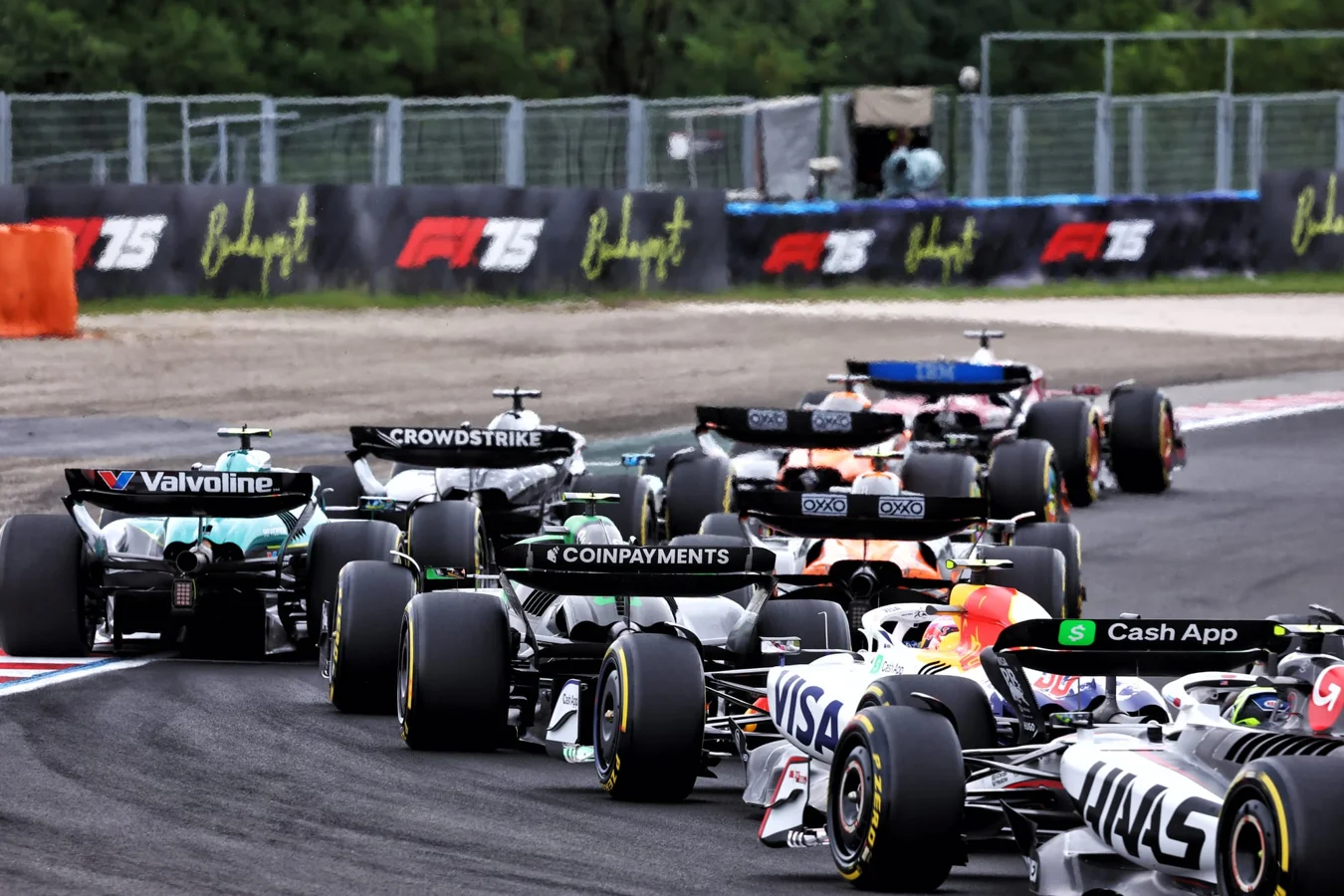
With six sprint races now featured on the F1 calendar, Domenicali has hinted that this number may increase due to strong interest from racepromoters eager to capitalize on the sprint race’s popularity. Furthermore, he is considering adopting reverse grid sprints, a format where starting positions are flipped—meaning the fastest qualifier could start 10th, while a lower qualifier could begin at the front.
This idea draws inspiration from feeder series like Formula 2 and Formula 3, injecting new challenges and excitement into the action. Domenicali explained,
Image of: F1
“I think today in terms of the evolution of the session is right,”
during an appearance on The Race podcast. He added,
“We need to discuss further with drivers, teams, and the FIA. Can we apply this with more races? Is reverse grid the right formula?”
Potential Challenges and Reactions from Drivers and Teams
The prospect of reverse grid sprint races is both thrilling and contentious. While fans may welcome the added unpredictability, manydrivers are uneasy about how such a format could affect championship fairness. Since sprint races award crucial points, some fear starting at the back purely due to qualifying performance might unfairly influence the standings. This tension highlights the delicate balance between entertainment and sporting integrity in F1’s evolving race formats.
Domenicali’s Vision for Innovation and Growth in Formula 1
The F1 chief remains open to innovation and eager to explore these changes. He emphasized the growing momentum for progress, stating,
“The vibes to progress in this direction are definitely growing,”
and revealed that promoters are interested in maintaining the classic Saturday and Sunday schedule while redesigning Friday sessions. He further remarked,
“We are prepared to present not just more sprint races, but also innovative ideas that can elevate the sport. Promoters want to keep the traditional Saturday and Sunday structure while reimagining Fridays, which is a key point of interest.”
Domenicali’s willingness to take risks was clear when he noted,
“We aren’t afraid to make mistakes,”
adding,
“Those who are too cautious never innovate.”
Looking Ahead: The Future of Sprint Races in Formula 1
The debate over the F1 sprint race reverse grid format underscores the sport’s ongoing evolution as it seeks to captivate modern audiences. Whether this approach will become a defining feature or a controversial experiment remains to be seen. What is certain is that Formula 1 is leaning into a future of greater unpredictability, innovation, and fan engagement, making every race weekend more dynamic than ever before.