
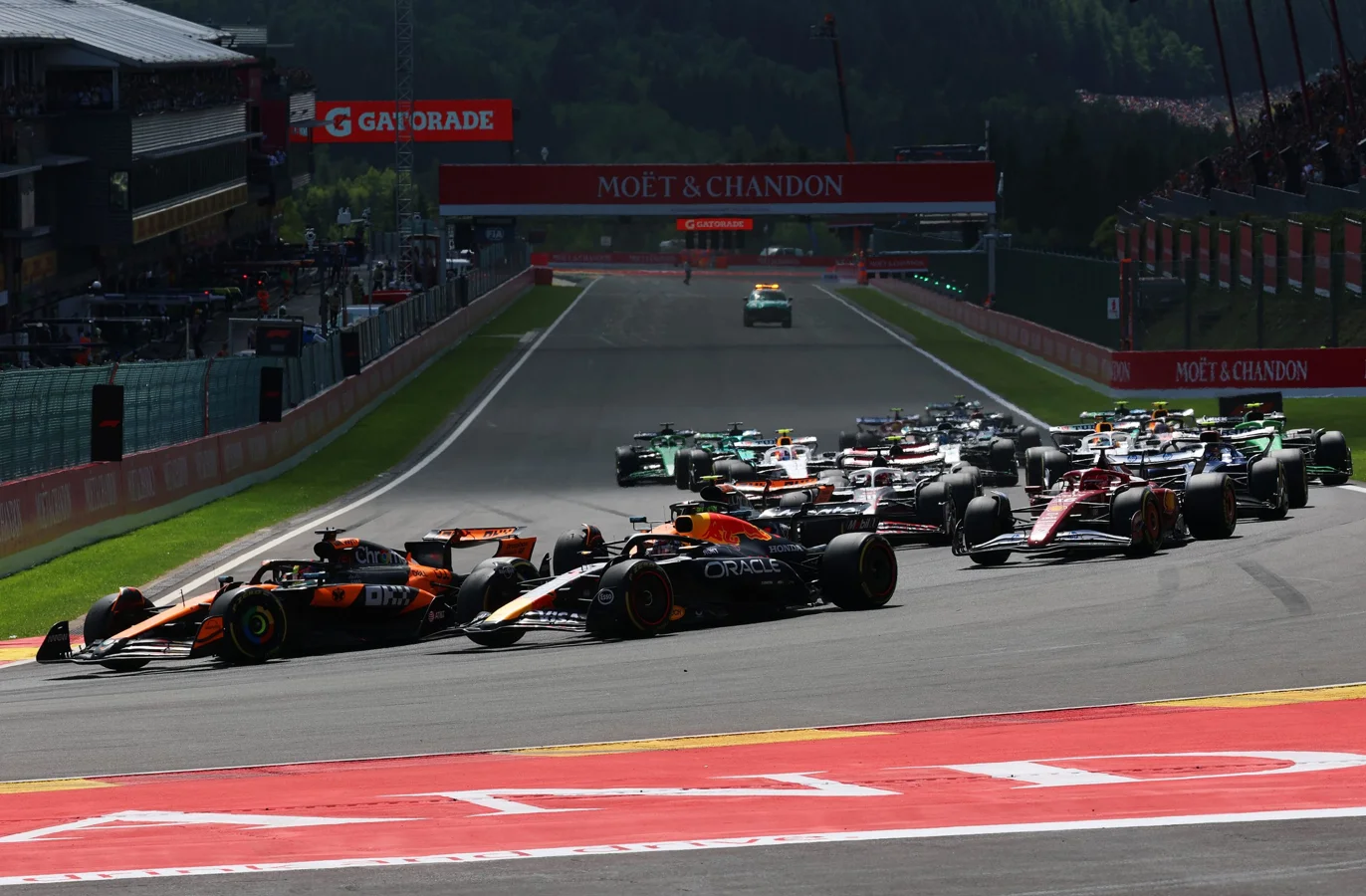

Formula 1 is exploring the possibility of increasing the number of sprint races in its calendar and experimenting with reverse-grid sprint formats, according to F1 CEO Stefano Domenicali. The move aims to enhance fan engagement by adding more competitive action during race weekends.
Since its introduction in 2021, the 100-kilometre sprint has evolved from simply setting the grid for the grand prix to becoming a standalone race at six events each season. The current format features sprint qualifying on Friday evenings followed by a sprint race on Saturday mornings, leading into the main grand prix on Sunday.
Growing Acceptance and Popularity of Sprint Races Among Fans and Stakeholders
Initially met with some skepticism, sprint races have gradually gained acceptance among fans, broadcasters, and race promoters, who value the replacement of traditional practice sessions with competitive racing. Domenicali noted in a recent interview with The Race F1 Podcast that the time seems right to expand the sprint format.
He stated,
“I think there’s the possibility to extend two things, which we need to discuss both with the drivers and the teams and of course with the FIA,”
—Stefano Domenicali, F1 CEO. Domenicali mentioned the sport is considering not only increasing the number of sprint races but also introducing reverse grid sprints similar to those used in Formula 2 and Formula 3.
He added,
“We are open to that because I think that’s the right thing — to listen to our fans, to try to create something and not be worried to make mistakes, because the one who believes in making no mistakes doesn’t do anything new.”
—Stefano Domenicali, F1 CEO
Fan Demographic Changes Drive Demand for More Competitive Weekend Formats
Under Domenicali’s leadership since 2021, Formula 1 has seen significant growth in its fan base, with a notable shift toward younger and more female audiences. These new fans show a preference for formats that offer engaging and meaningful competition rather than traditional practice sessions.
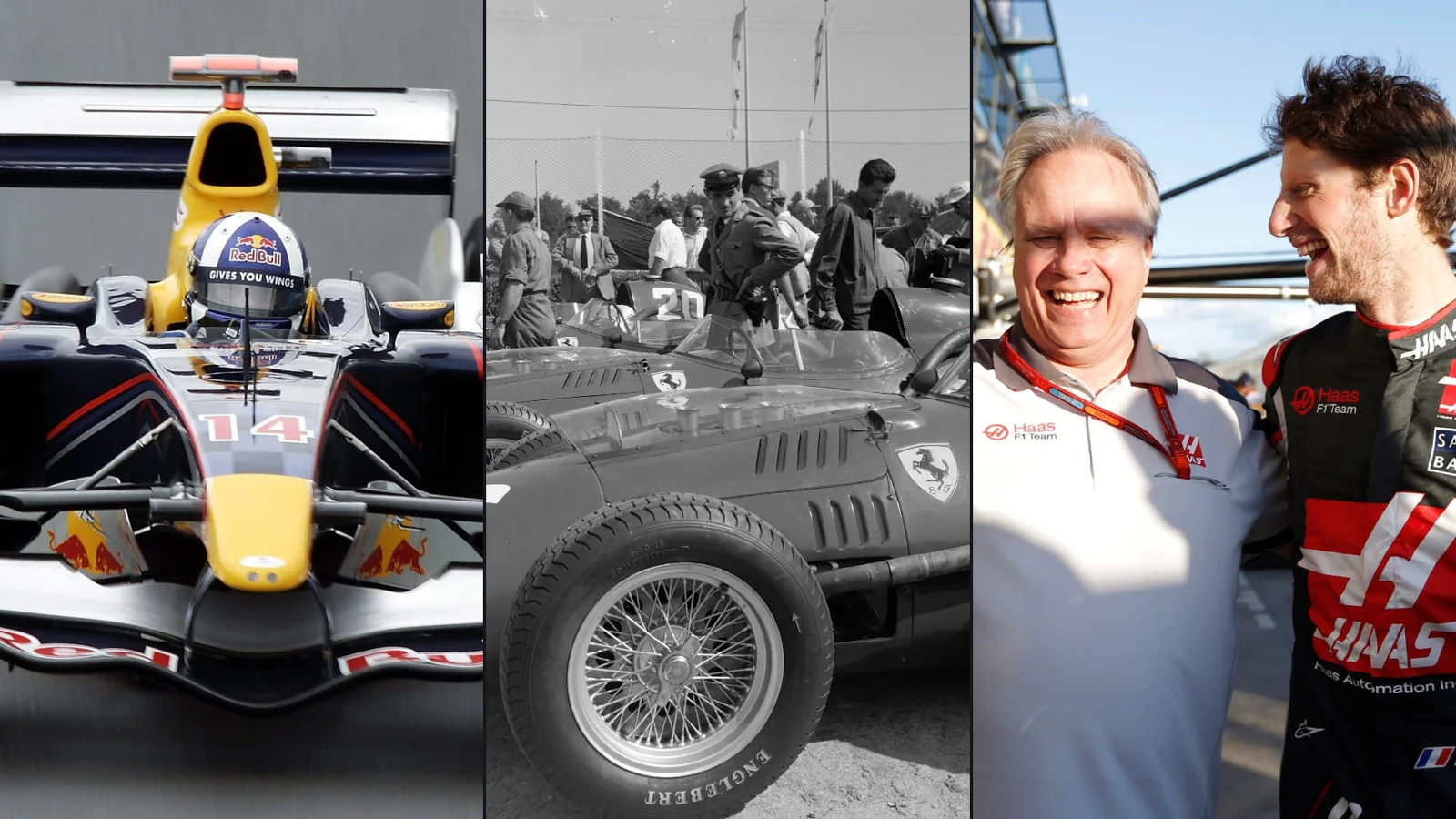
On the appeal of sprint races, Domenicali remarked,
“[The principle is] to have something to fight for on the track that could be seen as relevant for the interest of people … [not] to do some [practice] laps around where people that are new and attracted by something that they think is incredible do not understand what is happening,”
—Stefano Domenicali, F1 CEO.
He further noted,
“We saw in our data that it [sentiment] is shifting even more towards getting all the sprints if you go with the new fans, the people that are new to our sport, because they want to see some action. For sure we are ready to think what is the best way to evolve.”
—Stefano Domenicali, F1 CEO
Uncertain Number of Future Sprint Races Amid Fixed Grand Prix Count
Although sprint races are set to be a key feature of Formula 1 moving forward, Domenicali is cautious about committing to how many more will be added. He indicated that the sport could expand sprint events between the current six and as many as 24 per season.
He explained,
“I think that the sprint, whatever will be the right format, will represent the future,”
and
“I think that between six and 24 [sprints], we have to make steps into the middle.”
—Stefano Domenicali, F1 CEO.
On the other hand, the number of grand prix races remains fixed at 24 events per season in 2025, a record-equalling total stretched over 38 weeks. Domenicali has consistently maintained that 24 races is the optimal number for balancing sporting integrity and commercial interests.
Balancing Commercial Success and Sporting Quality with a Fixed Race Schedule
Domenicali emphasized that the 24-race calendar meets commercial goals effectively, given full and sold-out events worldwide. He highlighted the increasing value brought by partners and teams, reflecting the sport’s strong market position.
He stated,
“People want to come, otherwise it wouldn’t be full and sold out at all the races,”
and
“That is the right number that is sustainable from the commercial but also from the sporting perspective.”
—Stefano Domenicali, F1 CEO.
Race hosting fees form roughly one-third of F1’s revenues, supplemented by broadcast rights and marketing income, underscoring the importance of maintaining a sustainable and attractive schedule.
Content Generation Challenges in a Competitive Entertainment Landscape
Domenicali highlighted the challenges Formula 1 faces in creating content that remains relevant amid fierce competition from other sports and entertainment sectors. With only 24 races per year, the sport must maximize the appeal of each event to sustain and grow its audience.
He explained,
“Don’t forget one thing which is relevant: we are in a world where content is very important to be attractive or relevant,”
and
“The competition we have today is not only with sport; it’s competition with the entertainment world. It’s not only about money.”
—Stefano Domenicali, F1 CEO.
Future Engine Regulations and Sustainable Technology Developments
In addition to race formats, Formula 1 is preparing to implement new engine rules in 2026 that will double the electric power component to around 50 percent, paired with turbocharged V6 internal combustion engines. These changes follow a broader shift towards sustainability, with all cars running on synthetic fuels starting next season.
While there was interest in returning to larger naturally aspirated engines such as V10s, that initiative was shelved earlier in the year. However, growing momentum supports introducing a simpler engine formula by the 2032 rule cycle, likely centered on sustainable fuel V8s combined with hybrid technology.
Domenicali expressed optimism about these engine developments, stating,
“Sustainable fuel V8 I think is great, and hybridisation is, I do believe, the next step of the future, I think that’s the future.”
—Stefano Domenicali, F1 CEO.
Maintaining Manufacturer Engagement and Stability in Power Unit Supply
Formula 1’s partnership with engine manufacturers has historically been complex, with fluctuating levels of cooperation. Domenicali acknowledged this, noting efforts to create a stable framework for power unit supply that could include white-label engines available to teams if manufacturer support falters.
He explained,
“The partnership between manufacturers and Formula 1 has been always of love and less love,”
and
“I think all of what is thought on strategic terms is to try and think and cover all the possible scenarios.”
—Stefano Domenicali, F1 CEO.
These strategies aim to safeguard the sport’s technical future while keeping manufacturers engaged in an era of evolving automotive regulation and sustainability demands.