
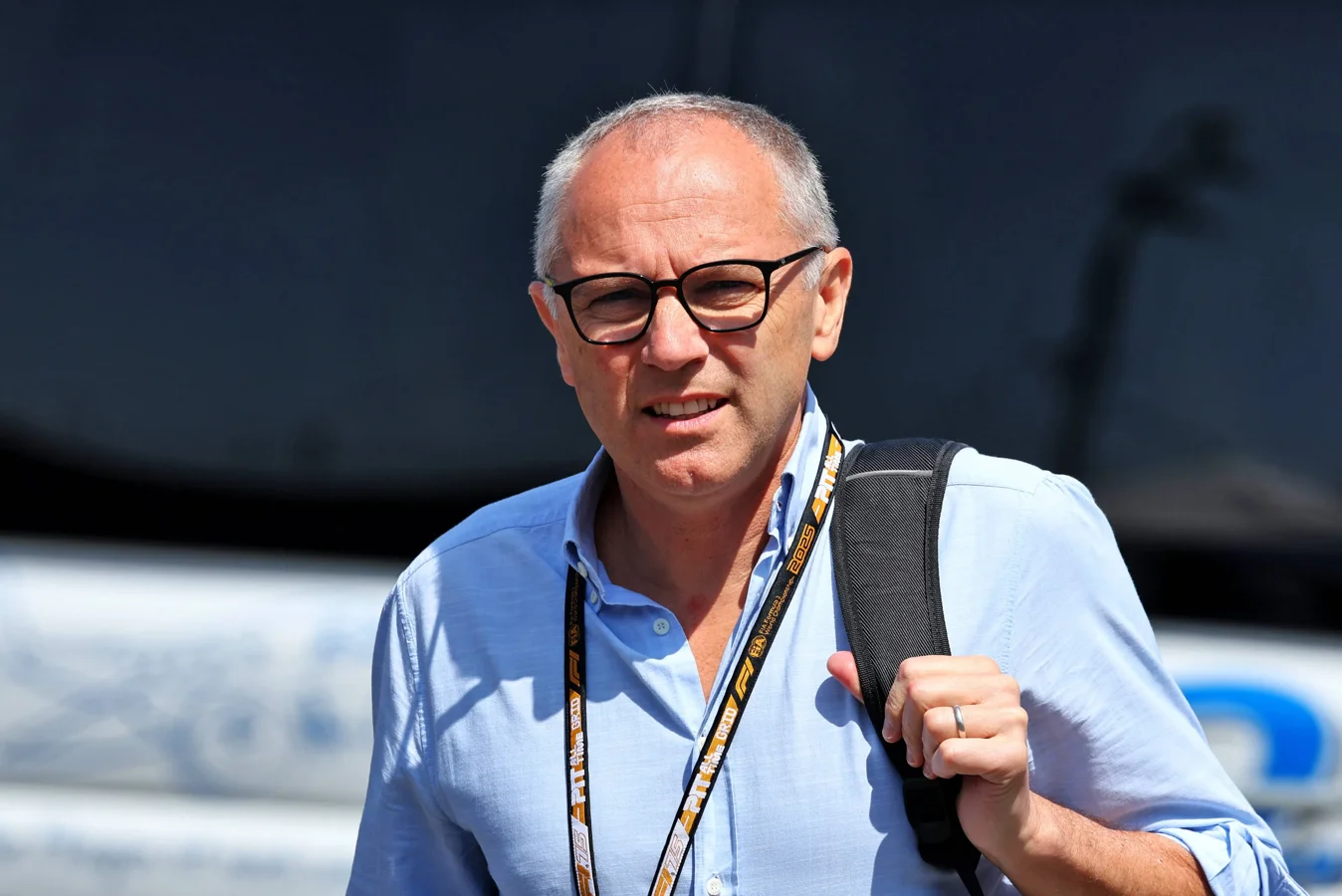

Formula 1 CEO Stefano Domenicali has signaled the possibility of significant changes to the traditional Grand Prix weekend structure, sparking widespread excitement in the motorsport community. Following the introduction of sprint races at six designated weekends over the past four years, Domenicali is now considering even more radical adjustments, including the implementation of reverse grid races.
Exploring New Racing Formats: Sprint Expansion and Reverse Grids
Domenicali is enthusiastic about discussing potential extensions to F1‘s weekend schedule with drivers, teams, and the FIA. He raised two important questions: whether the sprint race format could be expanded to additional weekends and if a reverse grid system, similar to those used in Formula 2 and Formula 3, could become part of F1’s future.
“I do believe there are possibilities to extend two things, which we need to discuss, both with the drivers and the teams, and, of course, with the FIA,”
—Stefano Domenicali, F1 CEO
Such ideas mark a departure from the historical skepticism surrounding reverse grids, highlighting a renewed willingness within F1’s leadership to innovate and adapt.
The Growing Momentum Behind Potential Changes in F1
As the sport approaches a pivotal moment, Domenicali emphasized that the conversation is reaching a maturity that will allow serious negotiations with team principals. The atmosphere within the paddock reflects an increasing readiness to embrace change and test new concepts.
“We are getting there to be mature to make sure that this point will be tackled seriously with the teams,”
—Stefano Domenicali, F1 CEO
This openness extends to learning from fans’ feedback, with Domenicali stressing the importance of innovation despite the risks of making mistakes.
“I think that’s the right thing—to listen to our fans, to try to create something, and not to be worried to do mistakes. The one who believes to do no mistakes doesn’t do anything new.”
—Stefano Domenicali, F1 CEO
The Future of F1: Sprint Races and Audience Engagement
Domenicali remains confident that the sprint format, regardless of how it evolves, will play a key role in the sport’s long-term appeal. This fresh approach aims to enhance excitement, providing fans with more dynamic race weekends and ensuring Formula 1 keeps pace with its growing global audience’s expectations.
With the F1 summer break underway, discussions on revising the race weekend structure are intensifying. Whether these suggested changes will redefine Formula 1’s character remains to be seen, but the shift signals a bold stride toward innovation and renewed competitiveness in the sport.