
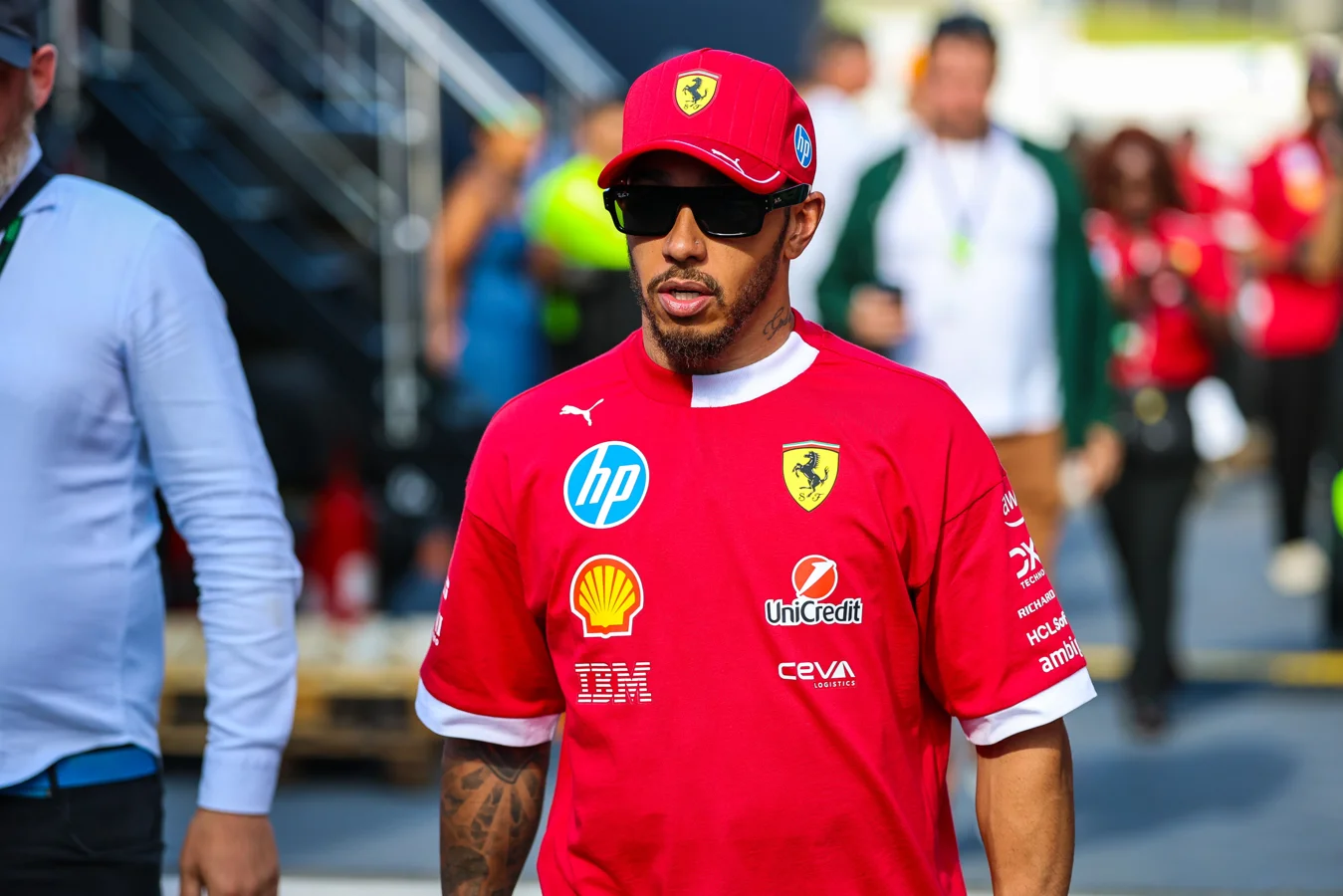

Lewis Hamilton, a seven-time Formula 1 world champion, is widely acknowledged as one of the most influential drivers in the history of the sport. His recent move to Ferrari not only excited racing fans but also boosted Ferrari’s market value, reflecting his impact beyond just the racetrack. Hamilton began his F1 career in 2007 with McLaren, partnering with two-time world champion Fernando Alonso, and quickly made a mark by finishing level on points with Alonso in his rookie year.
As his career advanced, Hamilton expanded his presence beyond racing by signing deals with fashion brands and exploring his musical interests, even collaborating with pop star Christina Aguilera on the track “Pipe.” Despite his passions, his role as an F1 driver involves more than just competing on the circuits; it requires extensive brand management, public appearances, and fulfilling contractual obligations in a sport that has grown dramatically under Liberty Media‘s ownership and the popularity of the Drive to Survive series.
Unexpected Challenges Beyond the Track
Reflecting on his first decade in Formula 1 during a 2016 interview, Hamilton revealed how he initially underestimated the demands outside the technical and physical aspects of racing.
“Generally everything has turned out to be bigger and better … but also different. When I was dreaming of being a racing driver I didn’t think of all the things that came with it. I’d only contemplated driving the car and being in that garage and being on track,”
he said.
He added candidly,
“It hadn’t even entered my mind all the things that surround it outside the garage and the team — maybe I wasn’t smart enough back then, but I hadn’t thought about those things. Those were probably more of a surprise when they came along.”
This insight shows the complexity behind being an elite F1 driver, which extends well beyond skill behind the wheel.
Recent Difficulties at Ferrari and Hamilton’s Evolving Role
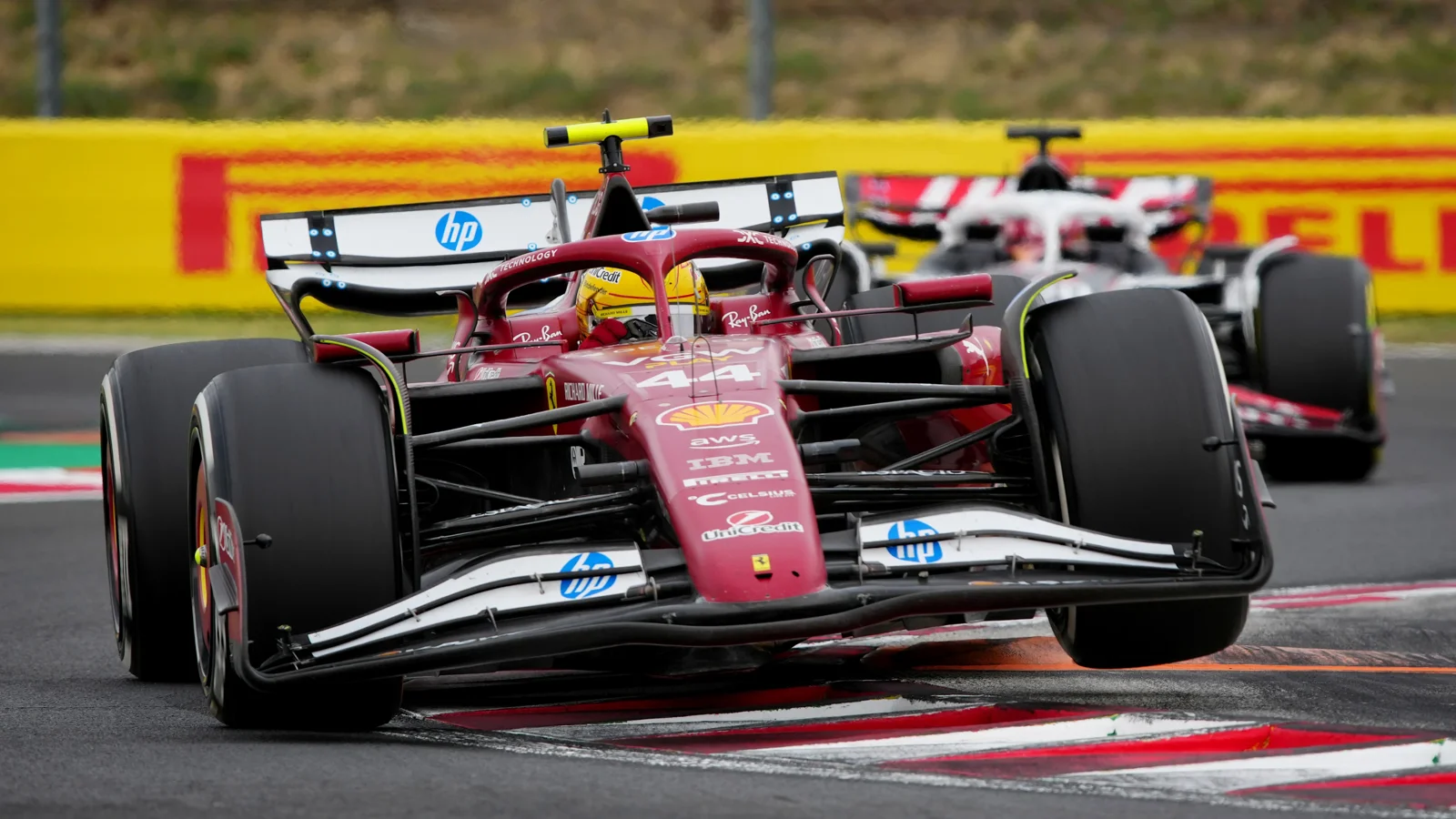
Since joining Ferrari, Hamilton has struggled to match the pace of teammate Charles Leclerc, falling more than 40 points behind in the drivers’ standings and currently sitting sixth overall. His difficulties have increased in recent races, specifically in Hungary and Belgium, generating frustration as he publicly criticized aspects of the competition.
F1 commentator Kym Illman commented during the summer break on Hamilton’s challenges, pointing out that his move to Ferrari was more than a focus on pure racing. Illman emphasized Hamilton’s transformation into a global brand outside the sport, making his role complex and multifaceted.
“Hamilton went to Ferrari with so much stuff, the amount of money he was being paid, the Lewis Hamilton brand, and the minute, the millisecond we saw him in that black outfit by the F40, it was pretty clear that he wasn’t going there to be microscopically focused on just being a racing driver again. He was loving all this other stuff or doing all this other stuff.” —Kym Illman, F1 insider
“I’m amazed Fred allowed that to happen because he was just a racing driver.” —Kym Illman, F1 insider
Fred Vasseur, Ferrari’s team principal, has permitted Hamilton some flexibility beyond traditional racing commitments, which Illman found surprising, considering Hamilton’s expansive off-track interests.
The Wider Impact of Hamilton’s Career Challenges
Hamilton’s candid reflections and current struggles illustrate the evolving nature of being an F1 driver in today’s media-driven environment. His journey demonstrates the intricate balance between sporting excellence, personal passions, and public expectations. As he continues his tenure with Ferrari, how he adapts to these multi-dimensional demands could shape not only his future results but also his broader legacy within the sport.