

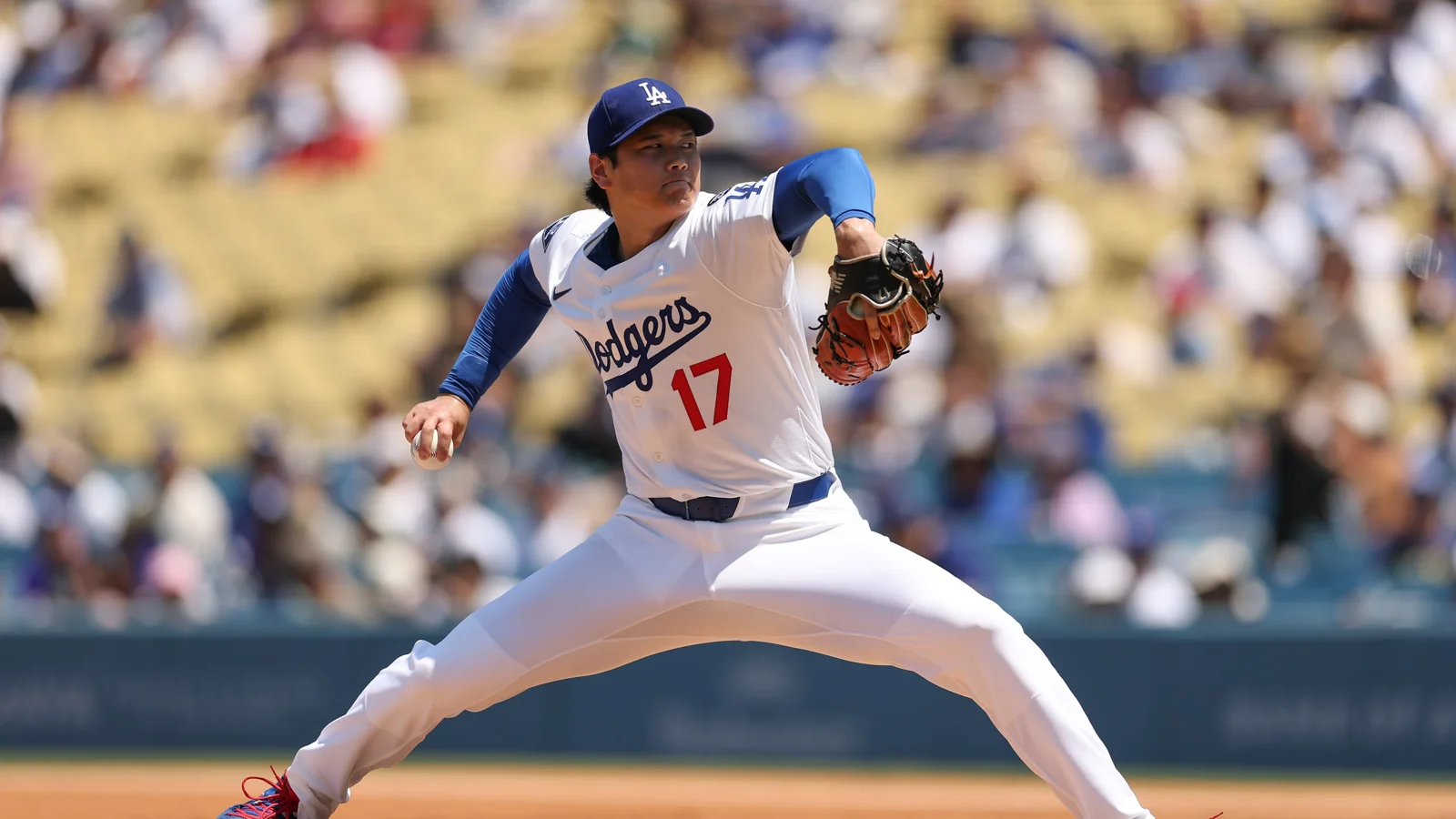
In recent years, Major League Baseball has seen a sharp decline in players who both pitch and hit at an elite level, leaving Shohei Ohtani as a rare exception. Since his 2018 debut, no other player has managed to maintain success in both roles simultaneously, raising questions about why this unique dual-threat ability has nearly vanished from the game. Ohtani’s combination of pitching and hitting prowess remains unmatched, making him the standout two-way player in the league today.
Ohtani’s Unique Journey from Japan to MLB Stardom
Shohei Ohtani’s path to becoming MLB’s last true two-way player started in Japan’s Nippon Professional Baseball (NPB), where he had the opportunity to excel in both pitching and hitting before joining the Los Angeles Angels. This experience abroad gave him an advantage that many American prospects lack, providing a platform to showcase his talents fully and build leverage prior to entering Major League Baseball. By the time he arrived in the U.S., Ohtani’s value was undeniable, allowing him to dictate his career choice freely.
Challenges Faced by Other Two-Way Prospects in MLB
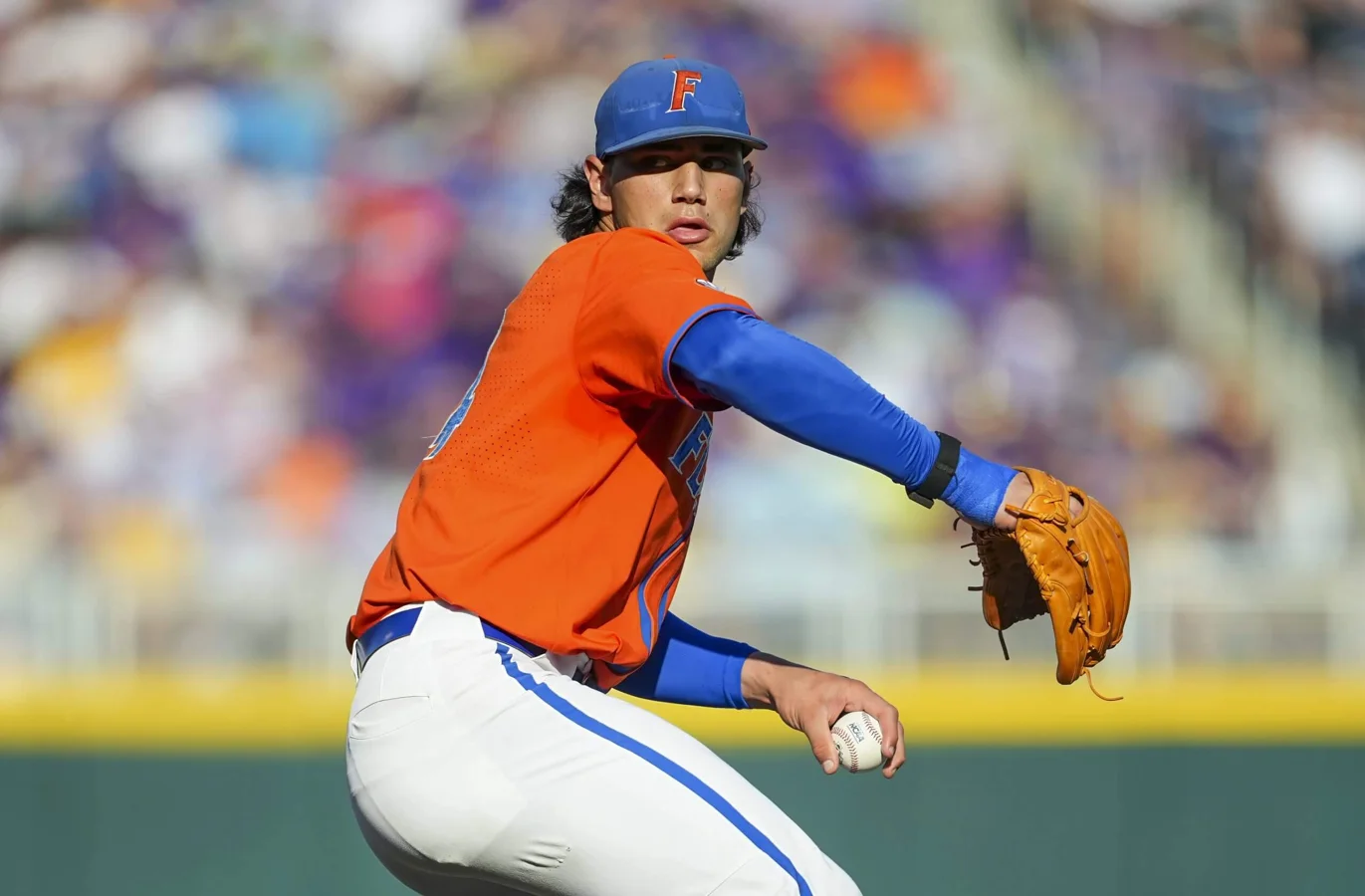
Despite many attempts, few players have managed to sustain success as two-way talents in the MLB or its minor leagues. Several prospects such as Brendan McKay, Nolan McLean, Carson Benge, Mitch Voit, Reggie Crawford, Bryce Eldridge, and Jac Cagliaone were initially introduced as two-way players but ultimately settled on either pitching or hitting. The factors behind this trend extend beyond skill and commitment, involving structural limitations within MLB organizations that often restrict the development of two-way roles in the minors.
Insights from Former Two-Way Player Michael Lorenzen
Michael Lorenzen, an MLB pitcher who previously played both roles during his time with the Kansas City Royals and shared a clubhouse with Ohtani in Anaheim, offers a compelling explanation for why others have not followed Ohtani’s path. Lorenzen attributes much of the rarity of two-way players to a lack of opportunity, rather than just ability.
“Shohei had all the leverage in the world,”
Lorenzen said to Dhani Joseph.
“He proved it in a different, high-caliber league, and he came over early so he was a discount (salary-wise) to everyone when he did come over. He got to make every decision of like, this is what I want to do.”
—Michael Lorenzen, MLB Pitcher
This leverage allowed Ohtani to pursue both pitching and hitting at the highest level without being forced to specialize, unlike most American prospects who face pressure to choose one role for skill development and roster efficiency reasons.
Historical and Recent Examples of Two-Way Players
Lorenzen himself was among the few two-way players granted opportunities in recent MLB history, achieving a notable feat in 2019 by hitting a home run, earning a win, and playing the field in the same game—a milestone only first reached by Babe Ruth. However, Lorenzen’s hitting opportunities dried up after 2021, as his career OPS+ of 84 was not considered strong enough to justify continued at-bats compared to dedicated hitters. The National League’s adoption of the designated hitter rule in 2022 further diminished the need for two-way players like Lorenzen.
Prospects for the Future of Two-Way Players in MLB
The convergence of skill, opportunity, and market conditions makes it unlikely that another two-way player will emerge within the current MLB system, unless they come through international leagues with the flexibility similar to Japan’s NPB. Ohtani’s success illustrates how rare it is for a player to navigate the demands of both pitching and hitting at a major league level, and according to Lorenzen’s perspective, this may be a unique phenomenon tied closely to Ohtani’s specific circumstances and timing.
Shohei Ohtani’s example may define an era in baseball history, standing as the last full-time two-way player unless teams begin to adapt their developmental systems or a promising prospect proves their ability in an alternative league first. This reality emphasizes how unique Ohtani’s talent truly is and the challenge faced by those hoping to replicate his achievements in the future.