
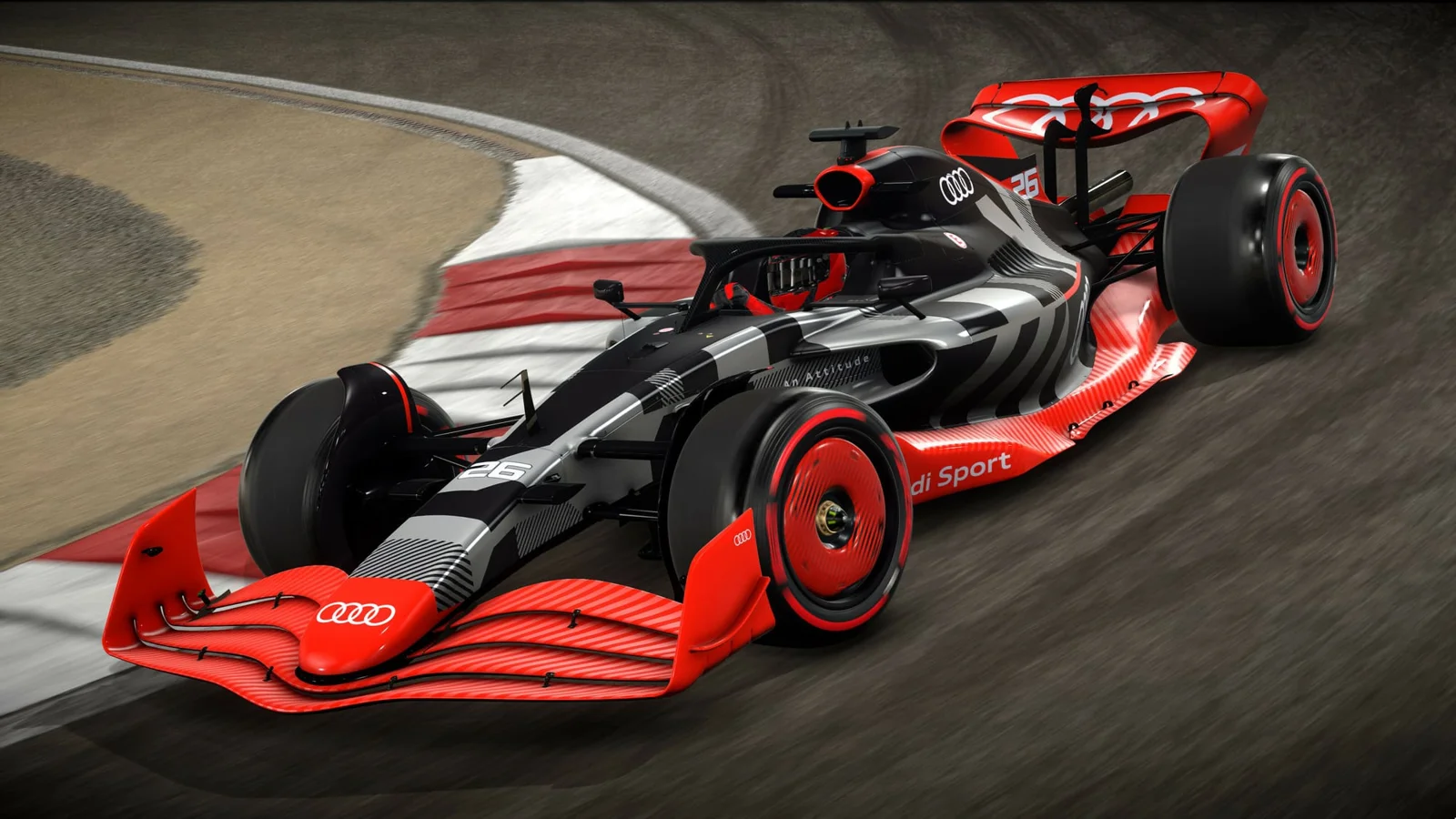

Jonathan Wheatley, the team principal of Sauber, is driving Audi’s F1 Team Transformation with determination amid challenging corporate and competitive circumstances. Since relocating to Zug, Switzerland, near the Alps, Wheatley has embraced his new environment, viewing it as an inspiring foundation for his leadership.
Despite the scenic setting, Sauber faces skepticism due to its remote headquarters in Hinwil, Switzerland, unlike most F1 teams concentrated within the Motorsport Valley in the UK. Wheatley acknowledges this geographic disadvantage but remains focused on turning the team into a competitive force.
Overcoming Geographic and Corporate Challenges in Formula 1
Sauber’s position away from the traditional F1 hub of Oxfordshire-Buckinghamshire–Northamptonshire challenges access to top engineering talent, who are often drawn to teams with nearby satellites like Red Bull. This lack of proximity fuels doubts about Sauber’s long-term viability against more established rivals.
Wheatley admits his initial expectations were surpassed by the lifestyle and potential in Zug, stating,
“I’d say it’s more than a pleasant surprise,”
reflecting his growing optimism for the project’s success.
Nevertheless, caution remains due to previous failures of large manufacturers like Toyota, whose eight-season F1 venture ended without a victory amid crippling corporate bureaucracy. Sauber’s earlier leadership struggles bore similarities, marked by internal conflicts before Audi’s involvement.
Leadership Reshuffle and Strategic Refocusing Under Audi’s Ownership
Following a turbulent management overhaul that replaced Andreas Seidl and Oliver Hoffmann with former Ferrari chief Mattia Binotto, Audi’s leadership under CEO Gernot Doellner stresses isolating the team from bureaucratic corporate pitfalls. Doellner’s commitment aims to provide Sauber with the freedom necessary to excel on the track.
Wheatley supports this approach, remarking,
“We are totally aware that it’s necessary to keep this project away from corporate processes,”
highlighting the drive to keep operations nimble and focused on racing performance. He also points to the backing from Audi’s board, quoting,
“Gernot Doellner has described us as a speedboat, and we’re off doing Formula 1. We have the full support of the board.”
Building a Sustainable Team Culture Focused on Homegrown Talent
Unlike quick restructuring often seen in F1, Wheatley aims for a stable, internally developed team that grows organically. He stresses the importance of developing future talent within Sauber rather than depending solely on established names, noting,
“We need to identify the future stars in the organization and bring them on.”
This philosophy represents a significant strategic shift intended to establish a lasting legacy for the team under Audi’s banner.
Sauber’s recent ability to consistently score points in races suggests that the team is beginning to reap the benefits of this patient and deliberate rebuilding phase.
What Lies Ahead for Sauber and Audi in Formula 1
The combination of Wheatley’s leadership, Binotto’s technical expertise, and Doellner’s corporate support sets the stage for a potential turnaround in Sauber’s fortunes. While geographic challenges and a history of management instability remain, the emerging team culture and strategic clarity offer hope for sustained competitiveness.
If the Audi F1 Team Transformation continues on this trajectory, Sauber could evolve into a formidable contender, altering perceptions within the lethal arena of Formula 1 and fulfilling Audi’s high-stakes ambitions in motorsport.