
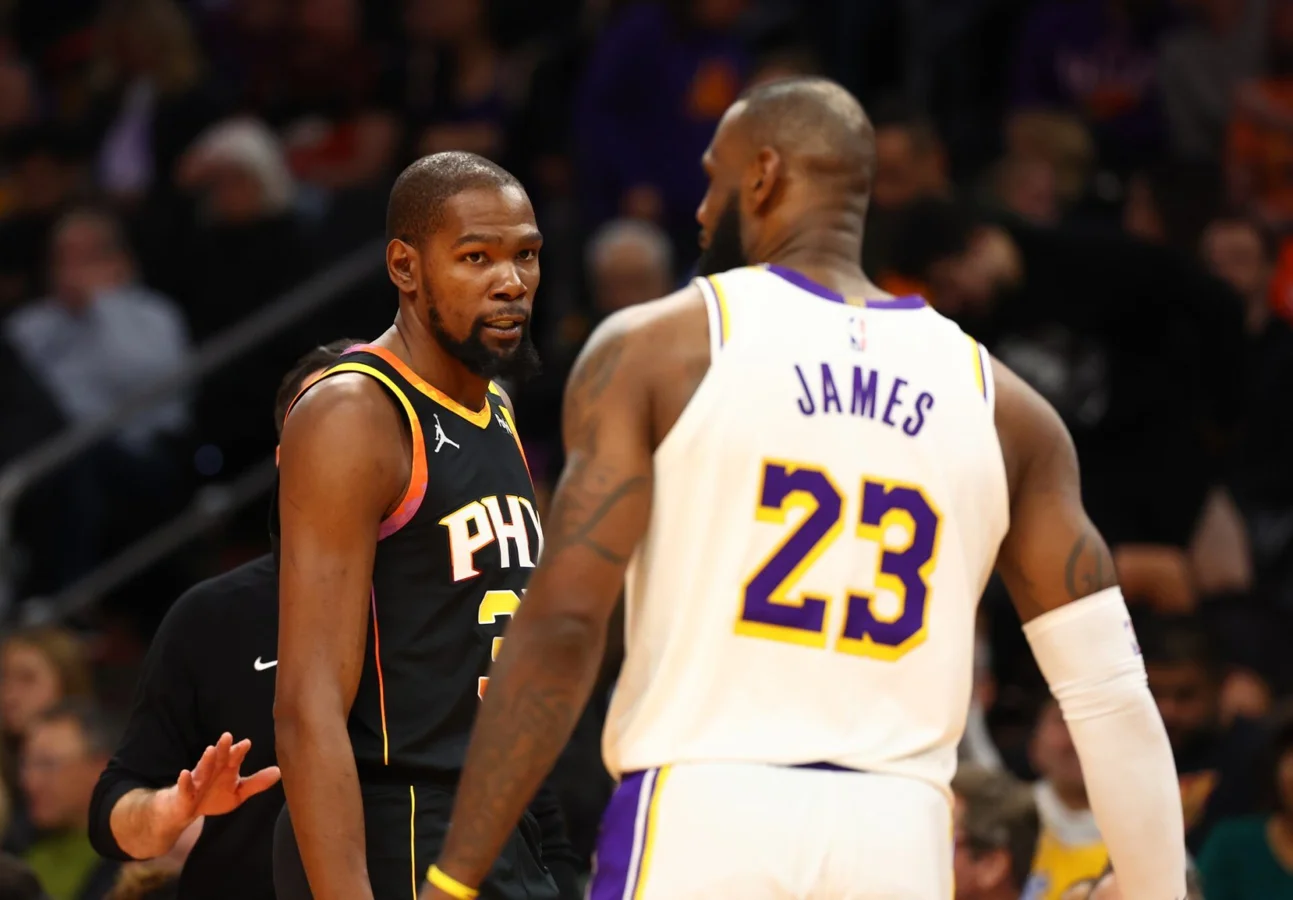

Throughout his remarkable 22-year NBA career, LeBron James has shared courts with numerous elite players including Dwyane Wade, Chris Bosh, Kyrie Irving, Kevin Love, Anthony Davis, and Luka Doncic. He has also played with veteran stars such as Shaquille O’Neal, Russell Westbrook, and Dwight Howard. Despite this, LeBron has faced criticism for capturing only four championships during this lengthy tenure, particularly when compared to Michael Jordan’s six titles in 15 seasons. This ongoing debate touches on LeBron’s legacy and the quality of his teammates.
Critics argue that LeBron’s case as the greatest of all time is diminished by his relatively lower championship count, despite extra seasons played and a deep pool of talented collaborators. Unlike Jordan, who mostly stayed in one city with a relatively stable core, LeBron’s journey to three different cities and four franchise stops has ensured a wider range of teammates. This movement has naturally broadened the list of players who have shared the floor with him, providing him with unique perspectives on ideal basketball partnerships.
LeBron’s Surprising Choices Over Iconic Legends for Dream NBA Teammates
On his 2022 podcast, The Shop: Uninterrupted, LeBron James was asked which NBA players from any era he would want as teammates. While many might expect him to name Michael Jordan or Kobe Bryant, two of the most iconic figures in basketball history, LeBron’s answer departed from tradition. Although he warmly acknowledged <a href=”https://www.buzzineintl.com/tag/stephen-curry/”>Stephen Curry as a current player he would happily team up with, his picks from past generations were unexpected.
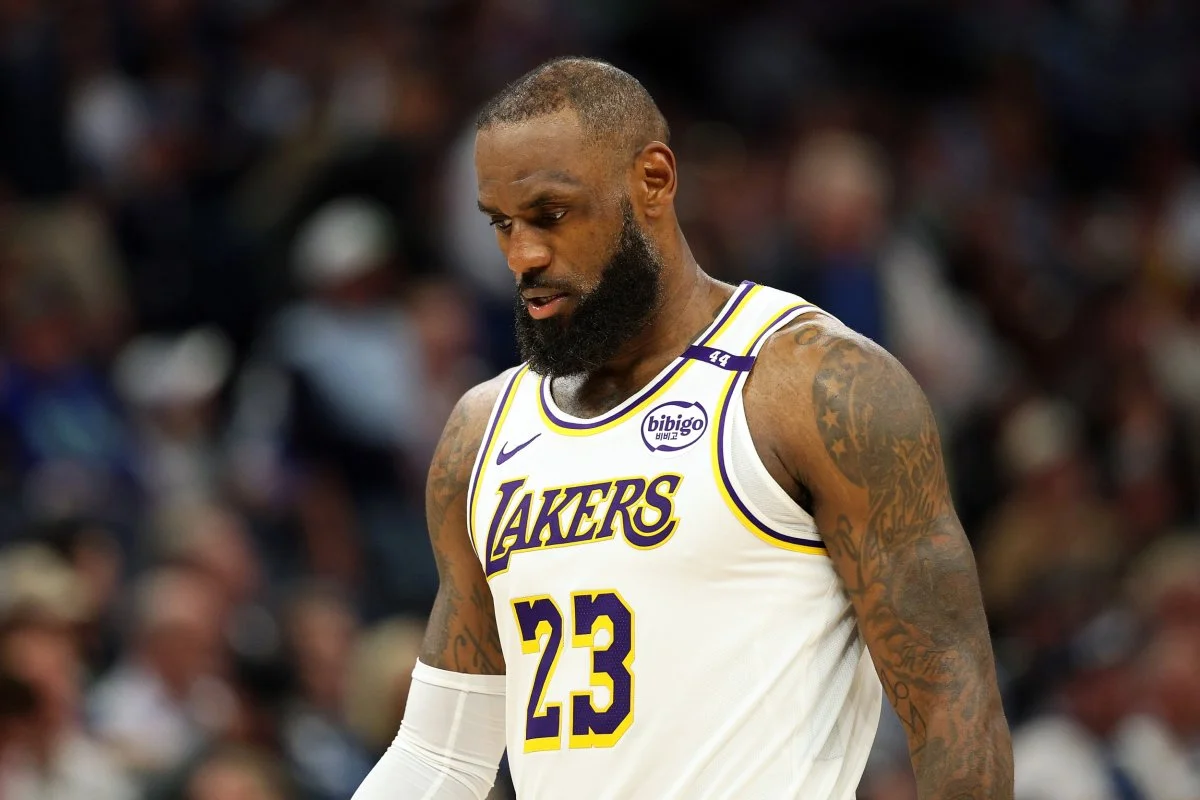
LeBron is well aware of his competitive history with Curry, having faced him in four consecutive NBA Finals from 2015 to 2018. Although Curry’s Golden State Warriors won three of those series, LeBron’s Cavaliers completed a historic comeback in 2016, turning a 3-1 deficit into an NBA championship against the record-setting Warriors. This level of respect makes the idea of LeBron joining forces with Curry all the more thrilling.
Despite this clear affinity for Curry, when pressed on which retired players he’d select, LeBron did not name Jordan or Bryant. In fact, he deliberately bypassed those two, acknowledging their legendary statuses but explaining his preference for others instead.
Favoring Scottie Pippen and Penny Hardaway for Basketball Compatibility
LeBron’s reasoning for his selections centers more on playing style and role complementarity than star power. He identified Scottie Pippen, Jordan’s longtime championship teammate, and Anfernee ‘Penny‘ Hardaway, a standout from the 1990s, as his dream teammates. This choice surprised many fans but reflected LeBron’s thoughtful approach to his game and team dynamics.
I love Scottie Pippen, bro. Scottie was like — the s***. Obviously, MJ was crazy, cold. Kobe would’ve been another one. But, like, Scottie Pippen and Penny Hardaway were my two. Because I see myself in them. I saw myself in Pippen and Penny. Tall guards, point forwards, getting everybody involved, defend all types of positions.
—LeBron James
By selecting these two, LeBron highlighted his identification with their versatile styles. Both Pippen and Hardaway were tall guards who handled the ball like point guards, managed offenses, made plays for teammates, and guarded multiple positions. They embodied the concept of “point forwards,” which has become a defining role for many championship-winning teams.
The Importance of Point Forwards in Modern NBA Success
LeBron’s emphasis on point forwards like Pippen and Hardaway reflects an evolution in basketball where size and playmaking combine in new ways. Today’s champions often feature players like Jayson Tatum, Giannis Antetokounmpo, and LeBron himself, who can handle the ball, create opportunities, and defend across the court.
Although Pippen often played in Jordan‘s shadow during their Bulls years, his 1993-94 season, when Jordan briefly retired, showcased his true potential. Finishing third in MVP voting while leading the team, Pippen displayed the all-around skills and leadership potential that LeBron admires. He symbolizes the kind of player who contributes in numerous ways without needing the ball constantly, boosting team performance through intelligence and effort.
LeBron’s inclination toward these types of players indicates his preference for teammates who complement rather than compete for offensive dominance. Throughout his career, James has orchestrated offenses as the primary playmaker, and preferring teammates like Pippen and Hardaway suggests he values players who facilitate his game rather than rival it.
What This Preference Reveals About LeBron’s Legacy and Future
LeBron’s choice to exclude fellow all-time greats Jordan and Bryant, opting instead for versatile, team-oriented players, offers insight into his basketball philosophy. It underlines his understanding that winning teams rely on complementary roles and flexibility, beyond just assembling a lineup of star scorers.
This perspective also hints at LeBron’s vision for future team construction, emphasizing unity and strategic balance over star power clashes. As he continues to influence the game both on and off the court, his reflections on “dream teammates” shape how fans and analysts view the importance of fit and chemistry in basketball success, not just individual talent.
Ultimately, LeBron James dream NBA teammates reveal more about his approach to the sport than past debates over championships. By valuing collaboration, versatility, and shared leadership, he reinforces why he remains one of the game’s most passionate, determined, and sincere competitors.