
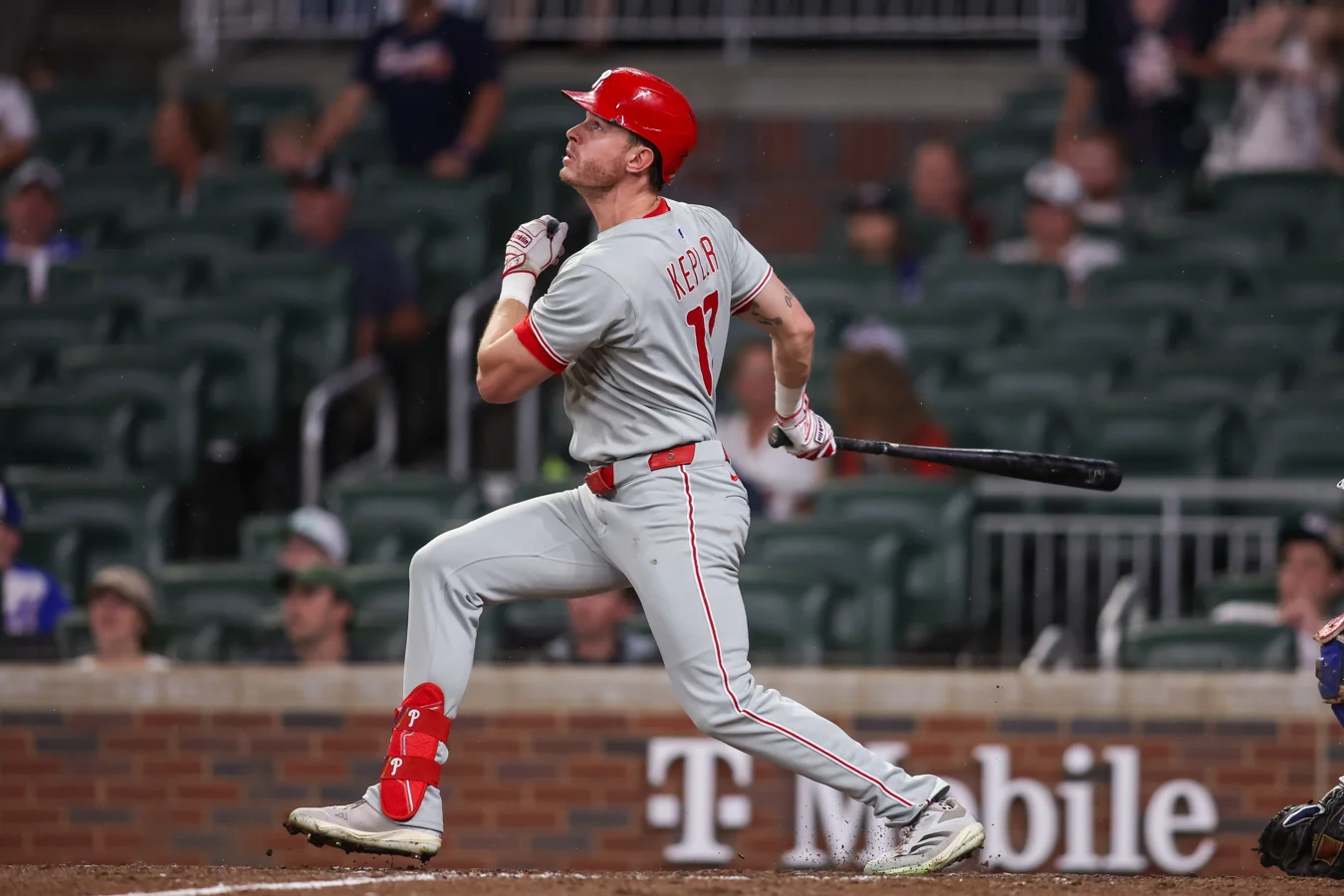

On Monday night in Cincinnati, Taijuan Walker delivered a solid pitching performance, allowing just one earned run over six innings while giving up six hits and a walk. Although he did not earn the win and was removed from the game by Phillies manager Rob Thomson while in line for a loss, Walker kept Philadelphia competitive. The Phillies ultimately overcame Reds starter Andrew Abbott’s long outing and secured a 4-1 victory. This game exemplifies Walker’s significant resurgence with the Phillies after a difficult previous season.
From MLB’s Worst to Reliable Starter: Walker’s Transformation
At the end of spring training five months ago, Walker was still recovering from what many regarded as the worst regular starting pitcher season in recent memory. Public frustration mounted due to the Phillies’ playoff disappointment and Walker’s underperformance, causing him to become a focal point of criticism. Despite widespread negativity, there remained cautious optimism about Walker’s potential to rebound, paired with empathy for the toll such scrutiny takes on an athlete’s mental well-being.
Given the substantial cost of releasing or trading Walker, which would require either absorbing his $36 million salary or sacrificing a promising prospect, the Phillies opted to retain him and allow time for improvement throughout the 2024 season. Defying expectations, Walker’s performance steadily improved over 25 appearances and 14 starts this year, posting a 3.39 ERA across 85 innings—a workload and ERA better than notable pitchers such as Spencer Strider and George Kirby. According to Baseball Savant’s Year-to-Year Changes leaderboard, Walker led the league with the largest improvement in expected weighted on-base average (xwOBA) and ranked seventh in weighted on-base average (wOBA). Even staunch skeptics did not anticipate such a turnaround paired with consistent starts.
Rotation Depth and Stability in Philadelphia’s Starting Staff
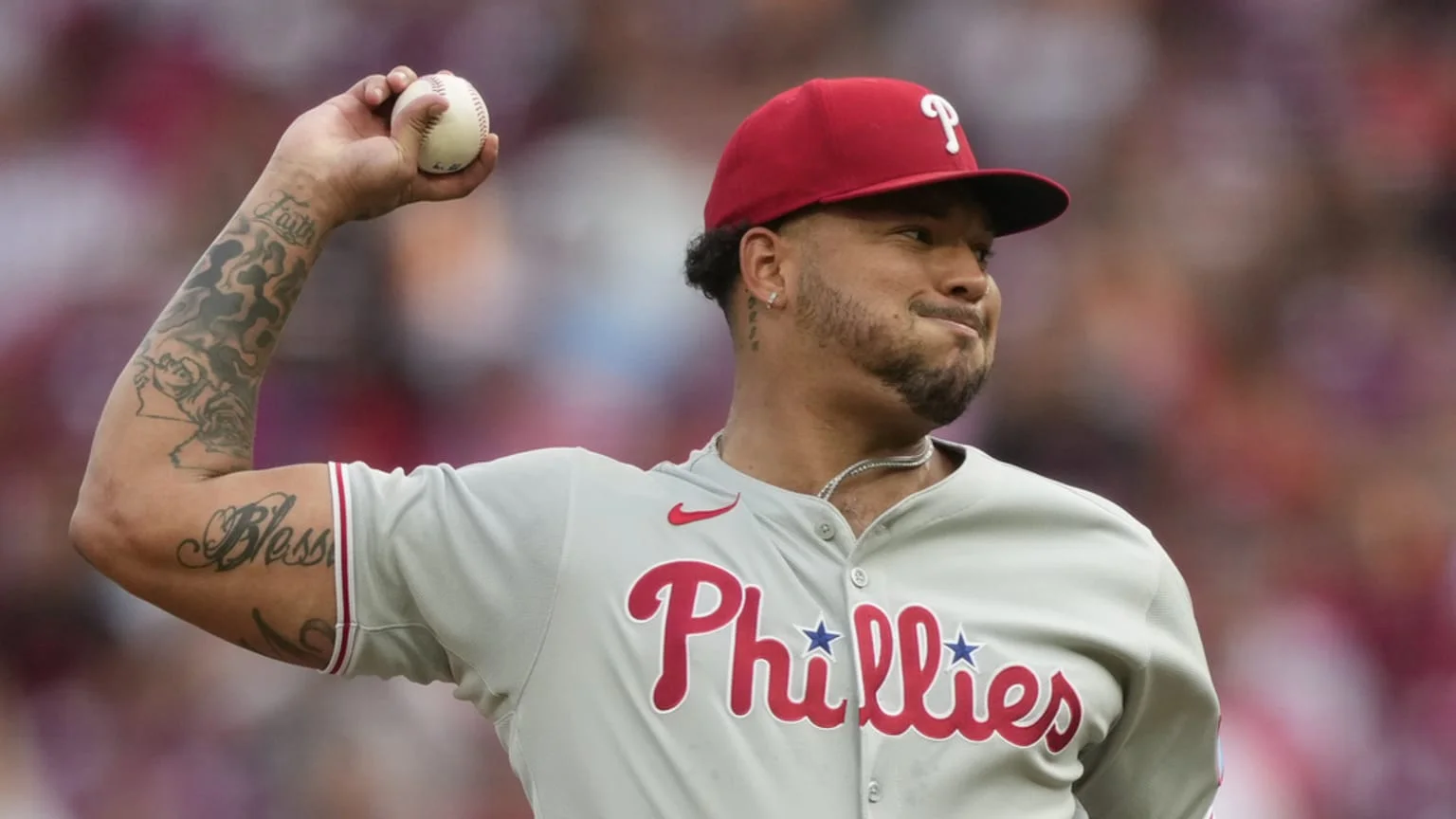
In 2025, the Phillies have run an atypically stable starting rotation, employing only seven genuine starters, defined as pitchers who last at least three innings and face 15 batters. This is the fewest in the league aside from the Los Angeles Angels, who have historically managed rotation consistency better than most teams. By comparison, the Dodgers have used 14 starters this year, while other teams like the Brewers and Astros have used 12 apiece, and the Tigers, Mets, and Padres have deployed 11 starters each. This solid base provides the Phillies flexibility and resilience.
Walker’s opportunity partly arose due to injuries to key pitchers such as left-hander Ranger Suárez and Aaron Nola, the latter of whom has struggled with fitness and effectiveness. Even Zack Wheeler, normally dependable, has recently shown some health concerns that might affect his availability. The Phillies have invested heavily in rotation depth, acquiring several top prospects and committing nearly $102 million in salary to their starting pitchers in 2025 alone. Andrew Painter, a highly regarded prospect awaiting his major league debut in Triple-A, further strengthens this pipeline of talent.
Walker’s Performance: Progress, Limitations, and Adjustments
While Walker has not returned to peak form, his pitching has improved dramatically compared to 2024. His fastball velocity remains slightly below 2023 levels, and his current ERA outperforms his expected ERA (xERA) by more than half a run and his Fielding Independent Pitching (FIP) by about one and a half runs. This suggests some overperformance but still marks Walker as a viable back-end starter, a significant step up from his previous struggles.
One reason for the turnaround lies in Walker’s refined pitch repertoire. Last year, his three fastballs and splitter lacked distinction, effectively merging into a “mushy” group of upper-80 mph pitches that batters could exploit. This season, however, there is more separation and variety, which has improved his effectiveness. His sinker and splitter—the two most frequently used pitches in 2023 and 2024—had identical movement last year and collectively cost him 27 runs, ranking among the worst in baseball. The current season shows improvement in these offerings, easing pressure on Walker’s overall performance.
Walker’s best pitch now is his cutter, which he employs with increased horizontal movement and has tripled its usage compared to last year. After reverting to a more traditional slider with additional downward break, his cutter usage approaches one-third of his pitches. Although not without flaws—opponents have hit six home runs off the cutter and eight off all other pitches combined —he has limited hitters to a .212 batting average against this pitch. Additionally, marginal gains in strikeouts, walks, and groundballs have contributed to Walker’s revived major league viability.
Challenges and Uncertain Role in the Postseason
Despite Walker’s resurgence, the Phillies face some uncertainty in their postseason rotation. If Wheeler’s nagging shoulder issue proves serious and Nola’s recovery does not bring consistent results, the team’s starting lineup for the playoffs could lean on Cristopher Sánchez, Ranger Suárez, Jesús Luzardo, and potentially Andrew Painter—all pitchers rated among the top 20 in the league in wins above replacement (WAR). During the 2023 playoffs, Walker was overshadowed even when pitching better than he does now. His value has come primarily through providing innings during the regular season rather than excelling in high-stakes October contests.
The grind of a regular MLB season demands approximately 1,400 innings pitched by a starting staff, handling frequent games and varying opposition. The postseason, by contrast, involves fewer innings—roughly 100 over the entire playoffs—but requires maximum precision and effectiveness. A pitcher like Walker, with a 4.85 FIP who pitches to contact, holds limited appeal in such an unforgiving environment.
Walker’s Transition Between Starting and Relief Roles
In light of these factors, Walker has already appeared in relief 11 times this season, more than doubling his career total, and even recorded his first career save. While some pitchers thrive when shifting from the rotation to bullpen roles, Walker’s incremental velocity increase—from 92.2 mph as a starter to 92.9 mph in relief—and modest boost in strikeouts and swings-and-misses rates show only marginal gains. These small improvements, while positive, are insufficient to establish him as a dominant reliever.
The Phillies’ bullpen has been reinforced recently through additions like David Robertson and the trade acquisition of Jhoan Duran, creating a crowded relief corps, especially as Nola nears a return and Painter moves closer to the majors. This depth further limits Walker’s opportunities as either a starter or reliever in critical games.
Reflecting on Walker’s Career Revival and Its Implications
Taijuan Walker’s comeback this season, marked by steady performance and the ability to provide innings, stands as a rare success story amid the volatility of pitching staff management. He has overcome a historically poor 2024 campaign to become a valuable asset—albeit an expensive one—helping the Phillies maintain their pursuit of a fourth straight playoff appearance. Yet, the likelihood remains that Walker will be sidelined during October, watching from the dugout rather than pitching in crucial postseason moments.
This development is bittersweet: Walker’s perseverance and reinvention underscore his commitment, but the depth and talent of the Phillies’ roster may ultimately limit his role when it matters most. Still, his ongoing presence contributes meaningful stability to Philadelphia’s rotation as the team positions itself for continued success.