
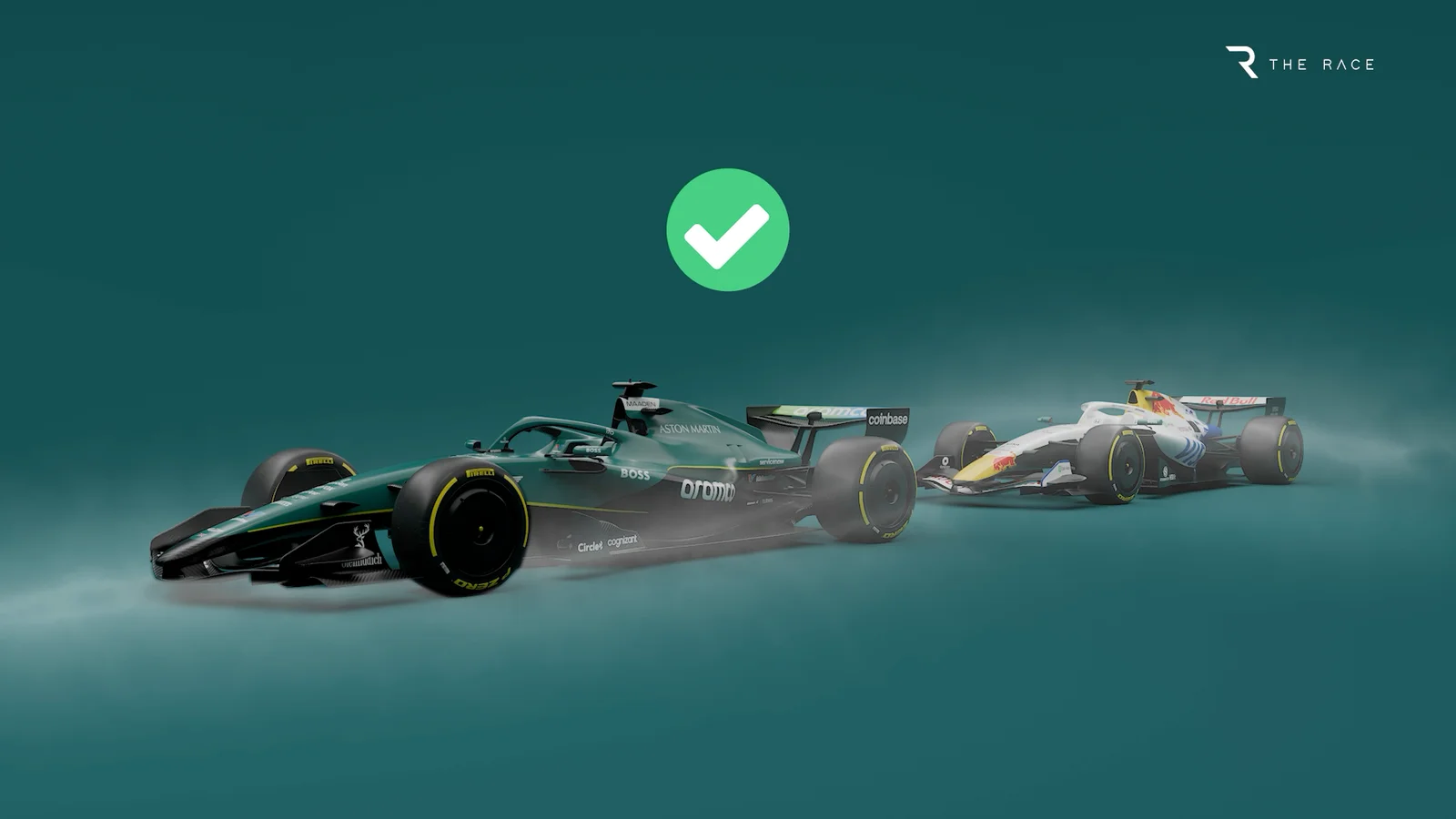

Nikolas Tombazis, the FIA’s single-seater chief, has addressed growing concerns among Formula 1 drivers about the sport’s 2026 energy management regulations. He emphasized that criticism directed at the new hybrid systems’ energy deployment is premature since the rules and car development are still ongoing and not yet finalized.
Top drivers have voiced frustration after simulator tests indicated the 2026 cars may lose battery power midway down straights, forcing them to reduce speed to conserve energy instead of pushing for maximum pace. Tombazis acknowledged these issues but assured that the FIA has been aware since the start and is actively implementing improvements to prevent any unnatural slowing on the straights.
Efforts to Improve Energy Flow and Maintain Racing Integrity
According to Tombazis, additional measures will be introduced before the next season begins to enhance energy flow and avoid sudden deceleration. He stressed that many observations about the cars’ current behavior do not reflect the finished product. While admitting that some teams and engine suppliers have been less forthcoming with data transparency, he confirmed there is broad consensus on resolving the challenges.
The FIA remains committed to key power targets: 400kW from the combustion engine and 350kW from the battery system. Tombazis clarified that these numbers are fixed and not subject to change as the development continues.
Balancing Energy Management with Driving Skill
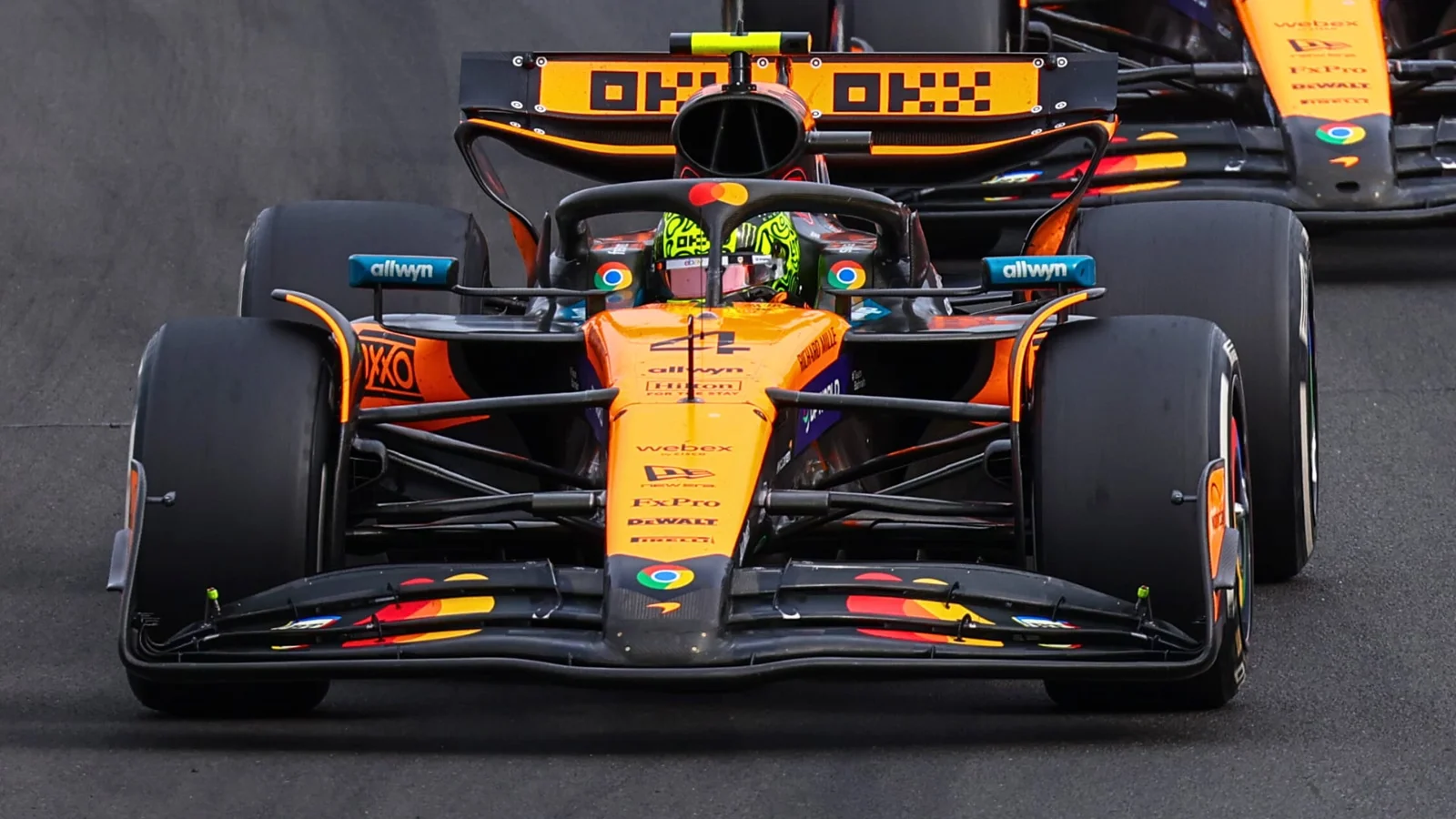
Tombazis underlined that the intention is not to transform Formula 1 into a complex strategic exercise where drivers conserve energy by easing off deliberately. Instead, energy management will be an important skill but secondary to traditional driving tasks, such as braking at the right moment, maintaining fast cornering, and accelerating efficiently.
He stated,
“There’s no interest in turning Formula 1 into a chess game of the best energy strategies… A top driver must understand energy management, but the main task will remain braking at the right point, cornering as quickly as possible, and accelerating optimally.”
—Nikolas Tombazis, FIA Single-Seater Chief
Projected Performance and Technical Adjustments Ahead
Initial FIA simulations predict that lap times with the 2026 regulations will be one to two and a half seconds slower than current cars, but Tombazis expects teams to narrow this gap quickly. A new “boost button” system, which will replace DRS, will allow drivers to adjust power delivery according to each circuit’s requirements.
He also dismissed fears of domination similar to the 2014 engine era, pointing out that cost caps and options for additional development will help level the playing field for slower manufacturers.
Mercedes Prepared for 2026 Changes, Says Toto Wolff
Mercedes team principal Toto Wolff expressed confidence in their readiness for the 2026 car. Highlighting a long development focus, he welcomed the shift away from ground-effect cars that had been challenging for Mercedes and the introduction of a completely new power unit.
Wolff commented,
“We will finally get rid of these ground-effect cars that didn’t really work for us, and a completely new engine. Our development has been focused on this project for a long time. I believe the second half of the season can be strong, while all the research and development is focused on next year’s car.”
—Toto Wolff, Mercedes Team Principal
The upcoming changes to the 2026 Formula 1 car energy management system carry high expectations for improved racing while maintaining technical fairness. As development progresses, the FIA aims to refine these systems to avoid the energy deployment issues currently causing unease within the driver community.