
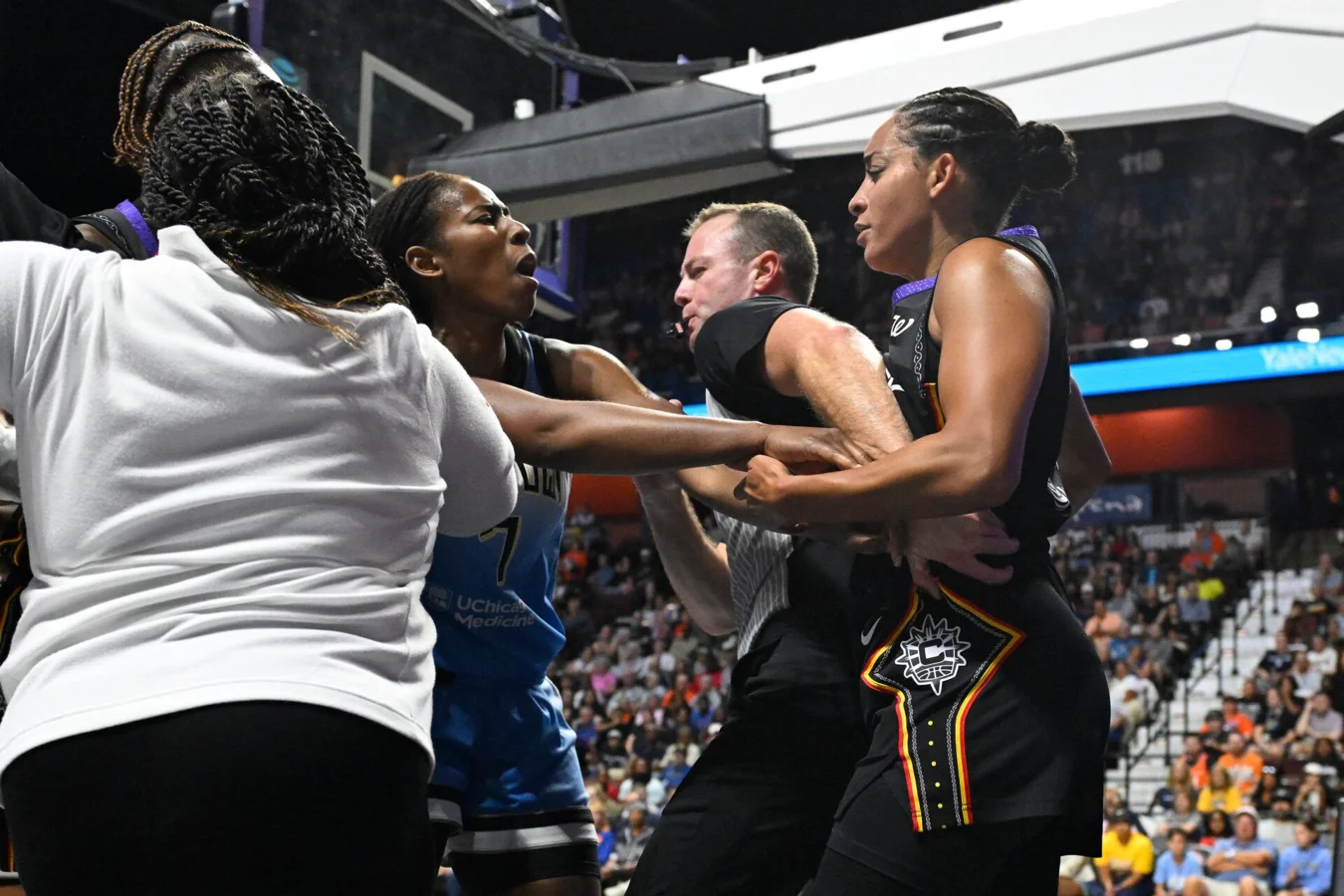

On May 22, 2025, at Wintrust Arena in Chicago, a heated confrontation during the WNBA game between the Connecticut Sun and Chicago Sky escalated into a controversial on-court brawl, highlighting disputes over Angel Reese WNBA officials ejections. The incident arose following Maddy Westbeld’s missed 3-point shot, which triggered tensions when Alex Hartley pushed Rebecca Allen without contacting the ball, leading to a physical altercation.
The situation quickly intensified after Ariel Atkins charged into the fray, causing officials, coaches, and security personnel to intervene. All three players involved—Hartley, Allen, and Atkins—were ejected. Elizabeth Williams, a Chicago Sky player, later revealed a confusing exchange with referees about the ejection criteria for players leaving their bench during such incidents, underlining the inconsistency in how the rules were applied.
Discrepancies in Bench Ejection Rules Revealed by Sky Player
Following the game, Elizabeth Williams explained to reporters that she inquired about the league’s policy regarding players leaving the bench during altercations. Contrary to a common college basketball rule that automatically ejects any player who steps onto the court from the bench, the WNBA rule allows players to enter the court to help deescalate conflicts without immediate ejection. Williams shared,
“Yeah. because I asked for an explanation of like um if players leave the bench from the opposing team and apparently it’s a college rule that if they get on the court that it’s automatic ejection but in our league, she said, if they get off if they get on the court to deescalate, then it’s not an automatic ejection. So that was another explanation I got that I hadn’t. I didn’t know. So maybe like Rachel said, maybe if I watch it back, I’ll see something that I couldn’t see from the bench and it’ll be clearer.”
—Elizabeth Williams, Chicago Sky Forward
Despite this clarification, Williams emphasized that WNBA players are expected to stay near their bench during on-court disputes, with violations resulting in suspensions and fines. This rule came into focus earlier when Chicago Sky’s Ruthy Hebard was suspended for one game in 2023 after leaving the bench during a fight. The enforcement of these regulations appears to differ by situation, causing frustration among players and fans.
Referee Decisions Ignite Frustration Among Players and Fans
The referees’ management of this and other incidents has come under intense scrutiny throughout the 2025 season. On-air, crew chief Kevin Fahy described the incident as follows:
“We have a loose ball foul on Rebecca Allen, and then her and Bria Hartley get into an altercation that is deemed a fight. They’re both ejected from the game,”
and added,
“Ariel Atkins also comes in as an instigator, and she has been ejected from the game.”
—Kevin Fahy, WNBA Crew Chief
Players like Sophie Cunningham have expressed their dissatisfaction more bluntly, lamenting, “I just hate the inconsistency.” Fans and commentators note that some players are favored with calls while others suffer from questionable officiating. Despite repeated objections and feedback, WNBA Commissioner Cathy Engelbert acknowledged the issues without visible changes, stating,
“As we go forward on the officiating, we hear the concerns. We take that employee input.”
—Cathy Engelbert, WNBA Commissioner
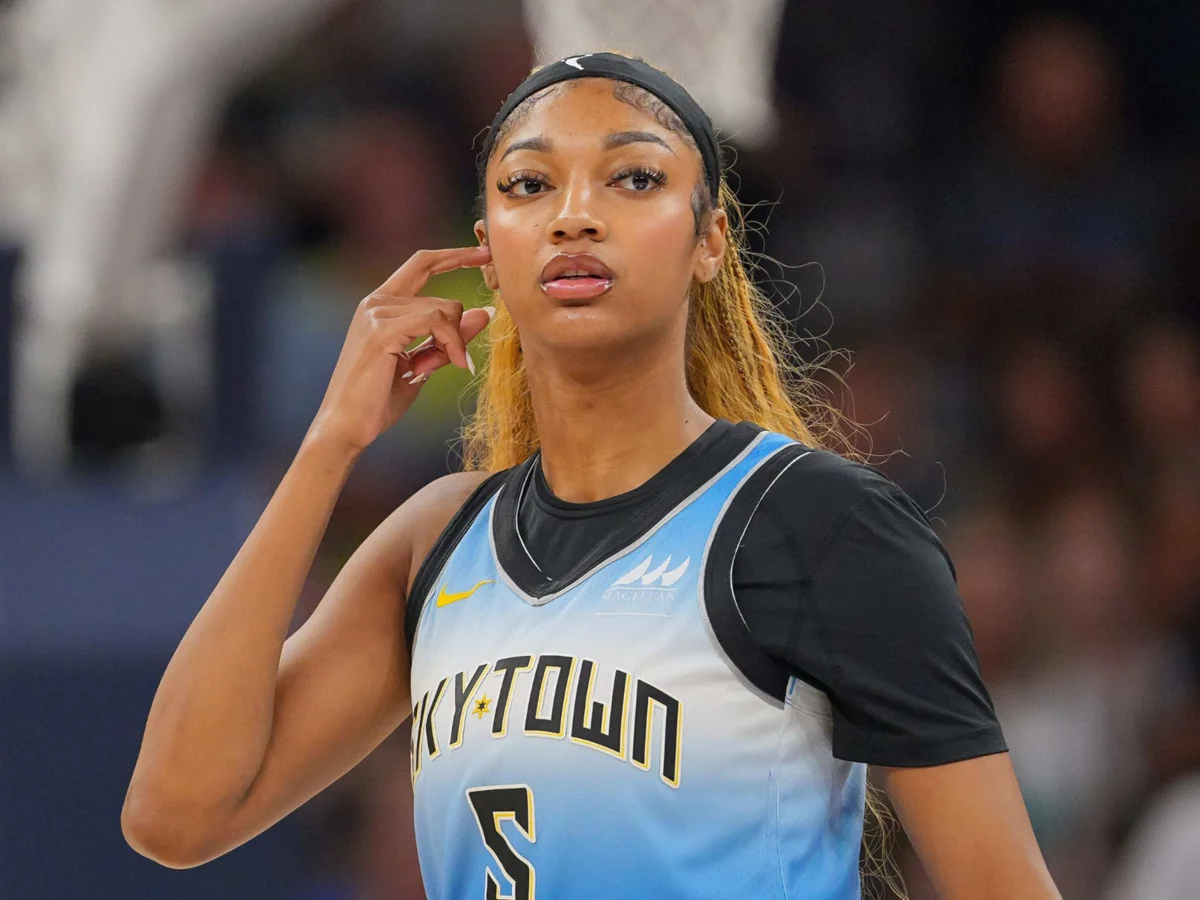
While off-court tensions boil over, the Chicago Sky face even greater challenges, especially amid the lingering absence of star forward Angel Reese.
Angel Reese’s Absence Raises Doubts About Chicago Sky’s Future Prospects
Angel Reese has been absent from the Chicago Sky lineup since July 29, 2025, after reporting back issues following the All-Star break. Her condition worsened after two games played during that period, and no clear timeline for her return has been provided. Recent footage showed Reese observing her teammates from the sidelines, fueling speculation among fans about her status.
Jason Whitlock, a former sports broadcaster, voiced harsh criticism regarding Reese’s situation on his YouTube channel, asserting,
“I think she’s quit on the Chicago Sky. She’s been claiming a back injury basically since the All-Star break, and there’s no details. Every day, we hear that Angel Reese is day-to-day, and every week, there’s no update on what she is struggling with, what she’s doing. There’s nothing. There’s no information on Angel Reese. I think she’s quit on the season.”
—Jason Whitlock, Former Broadcaster
Coach Tyler Marsh, however, rejected these claims, emphasizing Reese’s competitive spirit and desire to return:
“She wants to be out there. She’s a competitor, she’s a fighter, and a winner.”
—Tyler Marsh, Chicago Sky Head Coach
Impact of Reese’s Injury on a Struggling Chicago Sky Team
The Chicago Sky have endured a difficult season, holding a disappointing 8-24 record after 32 games. Their morale and performance suffered further after their loss to the Connecticut Sun and the subsequent mid-game brawl. While no evidence suggests discord between Reese and team management, the lack of transparency surrounding her injury has added to the team’s woes. Many organizations prefer to keep injury details private, allowing players to recover without external pressure.
The Sky desperately need Reese’s return to regain competitiveness and salvage their season, and Coach Marsh’s optimism reflects the team’s urgent need for her leadership and skill on the court.
Bench Conduct and NCAA Parallels Highlight Rules on Fighting
The conflict during the Connecticut Sun’s recent game recalled a similar incident in collegiate basketball involving Angel Reese and Hailey Van Lith when LSU faced South Carolina’s Dawn Staley-coached Gamecocks. In that NCAA brawl, players who left the bench were immediately ejected, unable to join celebrations after their championship victory. This strict application contrasts somewhat with WNBA rules but underscores a common principle about bench discipline during altercations.
Such incidents have become a growing concern in women’s basketball, raising questions about whether rising physicality reflects passion or an erosion of sportsmanship. The WNBA’s penal policies include suspensions and fines for bench violations, but uneven enforcement fuels frustration among players and fans alike.
Ongoing Debate Over Discipline and Officiating Standards in the WNBA
Season-long debates over the officiating quality persist as players point out inconsistencies, with some calls favored and others missed or misapplied. The lack of uniform standards in managing brawls and ejections adds tension, detracting from the game’s integrity. Fans and analysts continue to voice concerns while hoping for improvements from league authorities.
With emotions running high and key figures sidelined, the WNBA’s challenges in balancing physical play, player safety, and fair officiating seem unlikely to be resolved quickly.
Upcoming Challenges for the Chicago Sky and the League
The Chicago Sky face an uphill battle to recover from their losing streak and on-court disruptions, particularly without Angel Reese’s presence. The team’s prospects hinge on her recovery and a return to stability in officiating standards. Meanwhile, the league must address persistent questions about rule clarity and consistent enforcement to restore confidence among players and fans.
As the season progresses, heightened scrutiny will remain on how officials manage on-court altercations and the transparency surrounding player health. These issues not only affect game outcomes but also impact the WNBA’s reputation and long-term growth.