
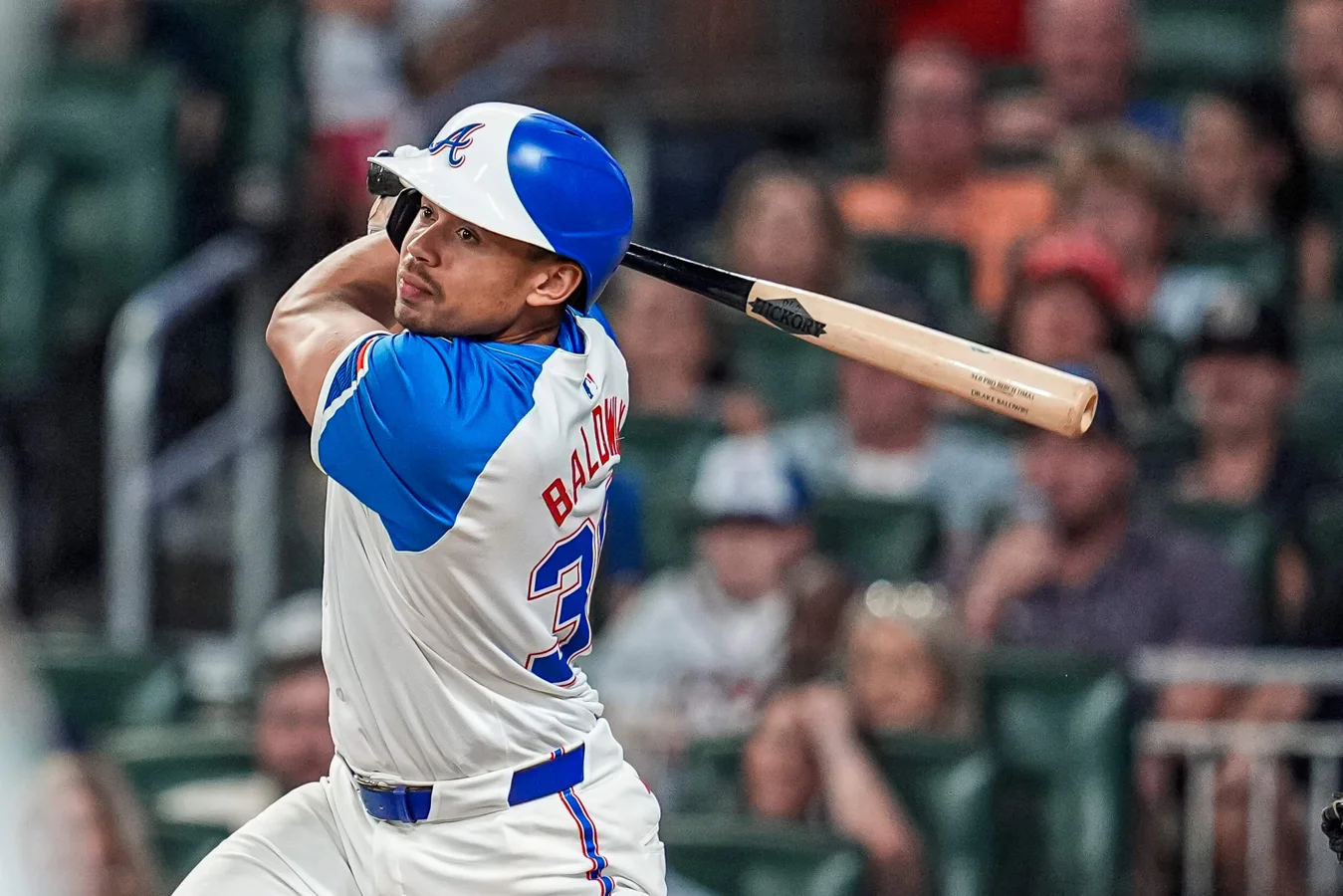

The Major League Baseball season is presenting fans and experts a compelling debate: which rookie deserves to be the foundation of your team, Drake Baldwin rookie <a href=”https://www.buzzineintl.com/category/baseball/mlb/”>MLB player or Nick Kurtz? Both have shown impressive potential during this year’s campaign, sparking intense discussions among analysts about their future value and team impact.
While Baldwin stands out with strong exit velocity and plays catcher, a demanding defensive position, Kurtz impresses with exceptional hard-hit power and a highly productive rookie performance primarily at first base. These contrasting profiles raise questions about risk, position value, and consistent offensive production.
Comparing Offensive Skills and Defensive Value
Mike Axisa highlights the unique skill sets of Kurtz and Baldwin alongside others like Kyle Stowers. Despite problems with frequent strikeouts, both Kurtz and Baldwin demonstrate the ability to deliver hard-hit balls. Kurtz’s power ranks among the highest in the league, but he struggles with contact consistency and strike zone discipline, which can be a critical downside. Baldwin, by comparison, exhibits better contact rates and fewer swings and misses, which reduces the risk of sudden offensive slumps. Additionally, Baldwin plays catcher—a premium defensive role—though he is not considered a standout defender, while Kurtz’s defense at first base doesn’t separate him in fielding terms. Axisa states,
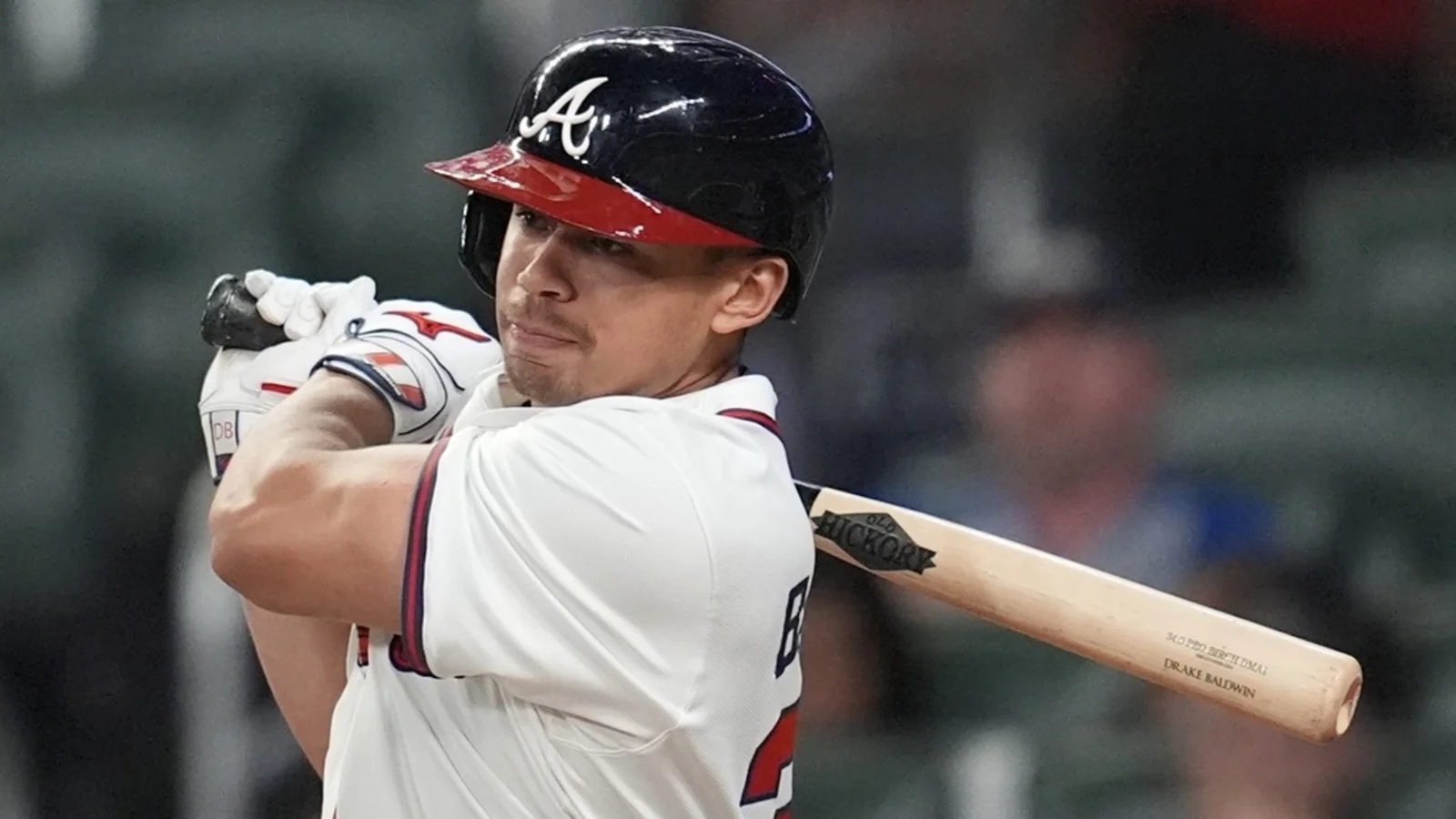
“I would happily take either player on my team. Force me to pick one and I’ll take Baldwin. He’s a really good hitter and an adequate defender at the game’s most demanding position, and he doesn’t have the same contact-related collapse risk as Kurtz.”
—Mike Axisa, Analyst
Age, Draft Status, and Playing Time Considerations
Dayn Perry favors Kurtz, citing his younger age and higher draft pedigree. Kurtz’s path through the minors was rated more favorably, and he does not face competition at his primary position, unlike Baldwin, who contends with Sean Murphy for catching duties. Perry also expresses caution regarding offensive development from catching prospects like Baldwin, even though Baldwin’s current season performance has been exemplary. He observes,
“Kurtz gets bonus points for out-producing Baldwin in their rookie seasons.”
—Dayn Perry, Analyst
Balancing Positional Value and Offensive Reliability
R.J. Anderson acknowledges the difficulty in choosing between these two rookies but leans toward Baldwin due to his positional importance and steadier offensive skills. Anderson raises a possible future scenario where catchers, including Baldwin in Atlanta, might split playing time more evenly, affecting their total value. This would necessitate managerially keeping the designated hitter spot open on days the catcher isn’t behind the plate. Anderson adds that Kurtz’s high strikeout tendencies create uncertainty despite his current output and that Kurtz needs to sustain heavy hitting production to match the combined defensive and offensive value offered by a strong catching option.
“If nothing else, it could require a more rigid approach to roster construction that would keep the DH spot vacant for him to slot in on days he doesn’t catch.”
—R.J. Anderson, Analyst
Evaluating Rookie Seasons and Potential for Stardom
Matt Snyder opts for Kurtz, highlighting his strong all-around hitting after an initial adjustment period. Since breaking in, Kurtz has consistently hit for average, reached base frequently, and displayed power that could elevate him to superstar status. By contrast, Snyder views Baldwin as a very good player over the long term but less likely to reach superstardom, especially given the historic challenges catchers face in maintaining high offensive output. He notes agreement with Perry’s skepticism about offensive growth at the catching position. Snyder comments,
“I don’t feel like it’s an insult to say I’m taking Kurtz over him at this juncture.”
—Matt Snyder, Analyst
Implications for Team Building and Future Outlook
The debate between building around Drake Baldwin rookie MLB player versus Nick Kurtz underscores the challenge of balancing raw power with stability, and importance of position impact versus offensive ceiling. Baldwin’s role as a catcher offers defensive value rarely matched by other positions, easing roster construction with his consistent hitting. Meanwhile, Kurtz’s dynamite bat carries the risk of high strikeout rates but also the tantalizing possibility of star-level offensive production.
Team decision-makers will need to consider how these factors align with their strategic priorities. The choice may ultimately hinge on whether they prioritize the security of contact and positional premium or the upside of elite power performance despite volatility. As both players continue their careers, monitoring their health, playing time, and development will be key in determining who truly becomes the cornerstone of an MLB team.